



Are Acne Scars Permanent? The Honest Answer
Wondering if acne scars are permanent? Learn the difference between post-blemish marks and true acne scars, what causes them, and the most effective ways to help them fade.
Author
askINKEY skincare advisor
Published
17 July, 2026
Time to read
8 minutes
Most post-blemish marks are not permanent - but some types are, and the distinction matters enormously. If you are searching “are acne scars permanent” and expecting a simple yes or no, here it is: the vast majority of what people call acne scars - the flat red, pink, or brown discolouration that lingers after a blemish clears - are temporary marks, not true scars. They respond to the right ingredients and time. True structural scarring, the kind that leaves physical indentations or raised texture in the skin, is a different matter entirely. That does not resolve on its own, and it requires a different conversation.
Understanding which type you are dealing with is the most important first step - because the permanence question cannot be answered without it.
This blog focuses specifically on that permanence question. It is not a routine guide or a full breakdown of every mark type - for that, see our complete guide to acne scars and post-blemish marks, and for step-by-step at-home routines, see how to get rid of acne scars naturally. What this blog does is explain the biology of why certain marks fade and others stay, what controls the timeline, and what topical skincare can realistically achieve.
If you are already clear on your mark type and looking for targeted support, the following ingredients are the evidence-led starting point for post-blemish discolouration:
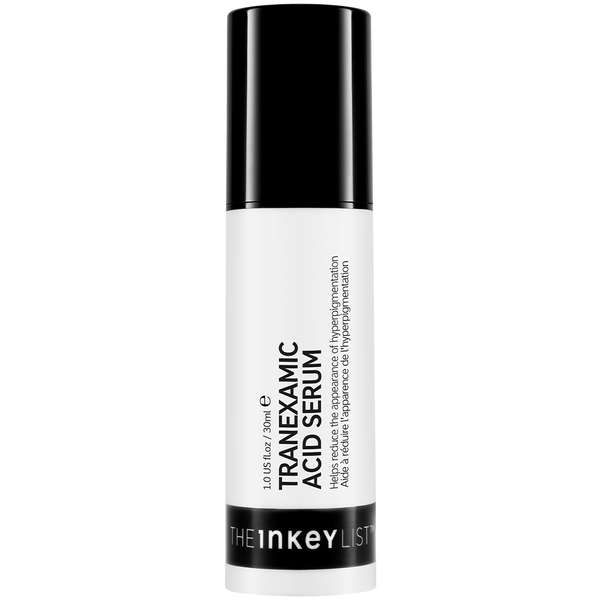
- Tranexamic Acid Serum - £17 - for post-blemish dark marks (PIH)
- 10% Azelaic Acid Serum for Redness Relief - £16 - for red and pink marks (PIE)
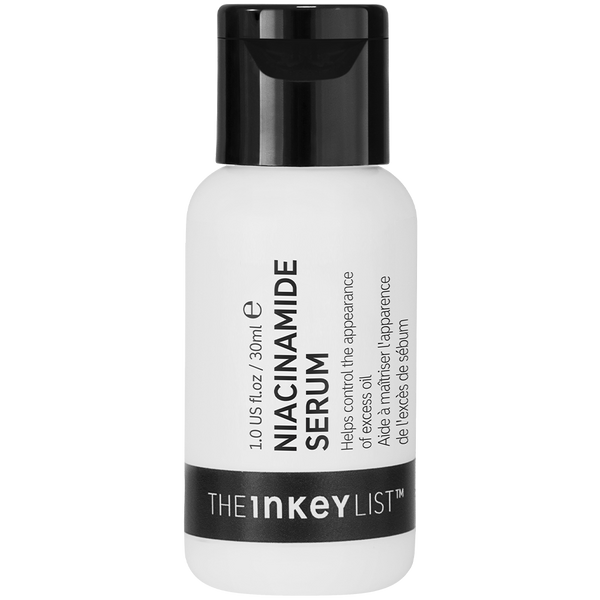
- Niacinamide Serum - £12 - for all mark types
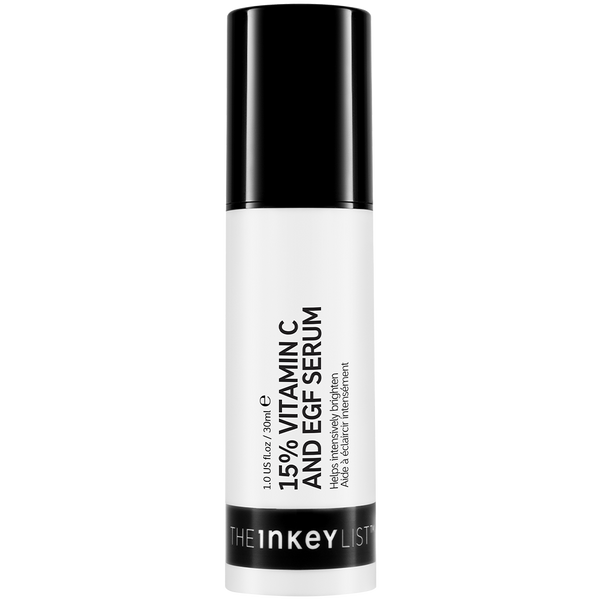
- 15% Vitamin C + EGF Serum - £16 - for brightening and PIH prevention
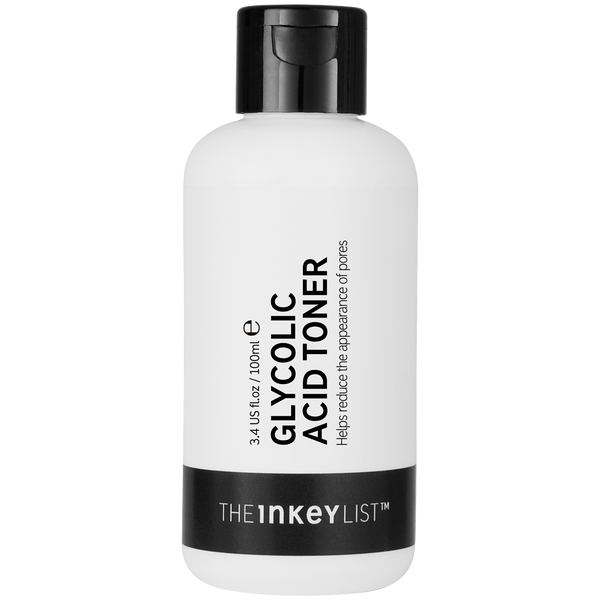
- Glycolic Acid Toner - £14 - for accelerating cell turnover
- 360 Skin Clearing Serum - £16 - for active blemishes and post-blemish marks at the same time
- Dewy Sunscreen SPF 30 - £15 - non-negotiable for every mark type, every day
The Two Very Different Things People Call “Acne Scars”
The word “scar” is doing a lot of heavy lifting in everyday skincare conversation - and the imprecision causes real problems. When someone says their acne scars are permanent, or that nothing is working on their acne scars, the first question that needs answering is: what are they actually looking at? Because the term covers two biologically distinct things, and conflating them leads to unrealistic expectations in both directions. Some people spiral into unnecessary despair over marks that will fade. Others wait passively for indentations that genuinely will not improve without intervention. Getting clear on the distinction is not semantics - it is the foundation of every decision that follows.
Post-Blemish Marks: PIE and PIH
The first category - and by far the most common one - is flat discolouration. No texture. No indentation. The skin’s surface is entirely smooth to the touch. What has changed is the colour. These marks fall into two types depending on their cause and appearance.
Post-inflammatory erythema, known as PIE, presents as red or pink flat marks. These are a vascular response to inflammation. When a blemish becomes inflamed, the blood vessels near the skin’s surface can become dilated or damaged. Once the active blemish has cleared, those capillary changes persist, showing through the skin as redness or a pink flush. Because PIE involves the vascular system rather than pigment production, it does not involve melanin - and that distinction matters for treatment.
Post-inflammatory hyperpigmentation, known as PIH, presents as brown, tan, or in some cases dark marks. These are a pigmentation response to inflammation. During and after a breakout, melanocytes - the cells responsible for producing pigment - are stimulated by the inflammatory process and overproduce melanin as a protective reaction. That excess melanin is deposited in the surrounding skin, leaving a discoloured patch behind. PIH is a form of hyperpigmentation, and if you want to understand the deeper biology of how melanin behaves in the skin, our hyperpigmentation pagecovers the mechanism in full.
Both PIE and PIH are flat. Both involve no loss of collagen beneath the skin’s surface. The skin’s architecture is intact. These are not scars in the clinical sense - they are a pigmentation or vascular residue of inflammation. And because no structural damage has occurred, they are temporary by nature, even if “temporary” can stretch to months or longer without the right approach.
True Structural Scarring
The second category is genuinely different. True atrophic scarring is a physical loss of collagen beneath the skin’s surface, leaving visible indentations. You can feel them as well as see them. The three most common types are ice-pick scars (deep, narrow pits), boxcar scars (wider, defined depressions with relatively sharp edges), and rolling scars (broader, wave-like undulations in the skin’s surface). There are also hypertrophic and keloid scars, which are raised rather than indented, caused by excess collagen production during healing.
True structural scars are the result of the skin’s imperfect collagen repair process following deep inflammation - particularly the kind caused by cystic or nodular blemishes that rupture beneath the skin. The damage triggers collagen rebuilding, but the rebuilt collagen is disordered and insufficient, resulting in a physical deficit that is permanent without intervention. This type does not resolve on its own. It does not respond meaningfully to the topical skincare ingredients that work on flat discolouration.
The Simple Diagnostic Test
The most useful question to ask yourself is this: does the mark have texture? Run a clean finger across it in a good light. If the skin feels completely smooth and the concern is only colour - whether red, pink, brown, or somewhere in between - you are almost certainly dealing with PIE or PIH. That is good news. It means you are not dealing with permanent structural damage in most cases. If there is a visible indentation, pit, or raised bump that you can feel as well as see, that is a structural concern and a different conversation is needed.
For the full biological explanation of how each mark type forms, step-by-step treatment approaches, and product recommendations organised by concern, our complete guide to acne scars and post-blemish marks covers all of it in depth. This blog focuses specifically on the permanence question.
Once the category is clear, the next question becomes: what actually determines whether a mark fades on its own, and how quickly?
What Actually Determines Whether a Mark Fades or Stays
Understanding why some marks clear in weeks and others linger for years requires looking at the biology rather than the surface. The difference is not arbitrary, and it is not just down to luck. Several specific, identifiable variables control whether a post-blemish mark fades and how long it takes - and knowing what those variables are puts a meaningful degree of control back in your hands.
How PIE Fades - and What Slows It Down
PIE is fundamentally a vascular issue. The red or pink discolouration comes from dilated or damaged capillaries near the skin’s surface, a legacy of the inflammation that drove the original blemish. Over time, as inflammation fully resolves, the skin can reabsorb and repair that capillary damage. The vessels calm down, return closer to their normal state, and the redness fades. Because there is no melanin involved, PIE is generally the faster-fading type of post-blemish mark - but “faster” is relative. Without any targeted approach, PIE can persist for many months.
What slows the fading of PIE? Heat is a significant factor. Anything that causes capillary dilation - hot showers, spicy food, exercise without adequate cooling, or even warm weather - can temporarily worsen the appearance of PIE and extend the timeline for resolution. UV exposure is also a factor, since sun damage affects the skin’s vascular health broadly. And crucially, any new blemishes forming in the same area restart the inflammatory cycle, preventing the capillary repair from completing.
How PIH Forms and Why Some Cases Last Much Longer
PIH has a more complex biology. During a breakout, the inflammatory cascade triggers the release of cytokines and other signalling molecules. These stimulate melanocytes to ramp up melanin production - the skin’s attempt to protect itself from what it perceives as ongoing damage. The resulting melanin is deposited in the surrounding keratinocytes, showing as the dark or brown mark left behind after the blemish resolves.
The depth of that melanin deposit is the single most important factor in how long PIH lasts. Superficial, epidermal PIH - where the pigment sits in the upper layers of the skin - fades more readily, because those cells turn over relatively quickly and the pigment is shed with them. Deeper epidermal or dermal PIH, where the melanin has penetrated further, takes significantly longer and may resist topical intervention to a greater degree. Research published in StatPearlsconfirms that the depth of melanin deposition is a key determinant of both the duration and the difficulty of treating PIH.
The severity of the original inflammation also matters directly. A deep, cystic blemish - especially one that has been picked or squeezed - sends a far stronger inflammatory signal to melanocytes than a smaller, more superficial spot. The result is a more intense, more deeply deposited pigment response. This is one of the clearest reasons why picking at blemishes so dramatically worsens and extends post-blemish marks. Using Hydrocolloid Invisible Pimple Patches over active blemishes reduces the urge to pick and limits the inflammatory damage at source.
UV Exposure: The Factor Most People Underestimate
If there is one variable that more consistently extends the duration of post-blemish marks than any other, it is unprotected UV exposure. UV light actively stimulates melanocytes, including those in areas that have already been sensitised by inflammation. For PIH specifically, UV exposure does not just slow fading - it actively deepens the existing pigment deposit, intensifying the mark and significantly extending the timeline for resolution. What might have faded in three months with daily SPF can persist for over a year without it.
This is not a theoretical risk or a precautionary recommendation. Dermatological literature consistently identifies UV protection as a foundational requirement in managing post-inflammatory hyperpigmentation, with sun exposure cited as a primary factor in both worsening and prolonging the condition. The Dewy Sunscreen SPF 30 - £15 is non-negotiable in any approach to fading post-blemish marks, regardless of mark type or skin tone.
When New Blemishes Keep Forming
There is one often-overlooked variable that stops many people from seeing progress: an ongoing cycle of new breakouts. Each new blemish creates new marks. If existing marks are slowly fading but fresh ones are forming at a similar rate, the overall picture remains unchanged - not because the old marks are permanent, but because they are being continuously replaced. Managing active breakouts is therefore not separate from managing post-blemish marks - it is a prerequisite. The 360 Skin Clearing Serum - £16 is designed to address both concerns simultaneously, targeting active blemishes while also supporting the appearance of existing post-blemish marks.
Key Factors That Determine Fading
To summarise the main variables:
- Depth of the pigment deposit - superficial PIH fades faster than deep epidermal or dermal pigment
- Severity of the original inflammation - more intense blemishes create stronger melanin signals
- Whether picking occurred - significantly intensifies and deepens the mark
- Daily UV protection - without SPF, fading timelines extend dramatically
- Whether new blemishes keep forming - each new breakout resets the clock on nearby marks
- Skin tone - a variable significant enough to deserve its own section
That last point - skin tone - is one of the most important and least discussed factors in how long post-blemish marks last. The next section covers it honestly.
How Skin Tone Affects Mark Permanence and Duration
The experience of post-blemish marks is not the same across all skin tones. This is not a minor variation - it is a clinically significant difference in how the skin responds to inflammation, what type of marks form, how intense they are, and how long they last. Acknowledging this honestly is not about making assumptions. It is about giving accurate information so that everyone can approach their own situation with realistic expectations.
Why Melanocyte Reactivity Matters
The difference comes down to melanocyte reactivity. All skin tones have approximately the same number of melanocytes - the pigment-producing cells in the skin. What differs is how active those melanocytes are and how much melanin they produce in response to a given trigger. Medium to deeper skin tones have more reactive melanocytes that produce greater quantities of melanin per inflammatory event. This means that the same blemish - the same degree of inflammation - will produce a stronger, more intense, and often more deeply deposited pigmentation response in medium to deeper skin tones compared to lighter skin tones.
Research on PIH epidemiology confirms that the condition is more prevalent, more severe, and more persistent in individuals with darker skin tones. The incidence of PIH in individuals with darker skin tones who experience breakouts can be as high as 65%. This is not a character of the condition being more “serious” in those individuals - it is a direct consequence of the biology of melanin production.
Different Mark Types by Skin Tone
Lighter skin tones tend to experience PIE - red or pink marks - as the more dominant post-blemish concern. The vascular response shows through the skin more readily because there is comparatively less melanin to obscure it, and the melanin response to inflammation is relatively weaker. PIE in lighter skin tones, while frustrating, is generally the faster-fading category.
For medium to deeper skin tones, PIH - brown or dark marks - is typically the more dominant concern. The melanin response to the same blemish is stronger and more intense, the resulting pigment deposit tends to sit deeper in the skin, and the marks are often darker and more defined. This does not mean PIE cannot occur in medium to deeper skin tones - it can, and often coexists with PIH. But PIH tends to be the more clinically significant concern.
Duration Differences Are Real
The fading timeline differences between skin tones are not minor. PIE in lighter skin tones can show meaningful improvement within a few months with a consistent, targeted approach. PIH in medium to deeper skin tones - particularly deep epidermal or dermal PIH - can persist for 12 to 24 months or longer without targeted intervention. That is not because those marks are permanent. It is because the biology of melanin production and clearance, combined with the depth of the deposit, means the resolution process takes longer and requires more deliberate management.
The Compounding Impact of UV Exposure
UV exposure compounds this disparity significantly. For medium to deeper skin tones, where melanocytes are already more reactive, UV stimulation of existing pigmentation in post-blemish areas can dramatically deepen marks and extend their duration. What might be a cosmetically manageable issue with consistent SPF use can become a much more persistent concern without it. For anyone with medium to deeper skin tone dealing with PIH, daily application of the Dewy Sunscreen SPF 30 - £15 is arguably the single highest-impact step in the entire approach - not one consideration among many, but the primary variable controlling how long marks last.
Ingredient Sensitivity and Skin Tone
There is an important ingredient consideration here too. For medium to deeper skin tones, aggressive exfoliation and potentially irritating active ingredients carry a greater risk of triggering further inflammation - which triggers more melanin production, which creates new marks or worsens existing ones. This is the frustrating paradox where an approach intended to speed fading can actually slow it. Gentler, targeted ingredients are generally more effective and less risky. The 10% Azelaic Acid Serum for Redness Relief - £16 is particularly well-suited here - it addresses both PIE and PIH, is well-tolerated across skin tones including sensitive skin, and does not carry the irritation risk of more aggressive exfoliants. The Niacinamide Serum - £12 is similarly valuable, calming inflammation while simultaneously working on pigmentation - a dual action that is especially useful when the concern is both active breakouts and the marks they leave behind.
For a deeper dive into the biology of melanin, skin tone, and how hyperpigmentation forms and responds to treatment, our hyperpigmentation page covers the full picture.
Understanding how skin tone shapes the experience of post-blemish marks sets the stage for the next question: what does a realistic fading timeline actually look like in practice?
Realistic Fading Timelines: What to Expect and When
The most common reason people conclude that their post-blemish marks are permanent is that they abandon a skincare approach before the biology has had time to respond. Four weeks into a new routine with no visible change, it is easy to assume the marks are there to stay. But skin biology operates on timelines that are longer than most people expect - and knowing what realistic progress looks like, and when, makes it far easier to stay consistent.
PIE Timeline: Red and Pink Marks
Without any targeted approach - no SPF, no active ingredients - PIE can take anywhere from three to twelve months to resolve, and in some cases longer. The vascular repair process is slow without support, and anything that continues to dilate capillaries (sun exposure, heat, picking at new blemishes) extends the timeline further.
With a targeted approach - particularly the 10% Azelaic Acid Serum for Redness Relief - £16 used consistently alongside daily SPF - visible improvement in PIE often begins within four to eight weeks. The redness becomes less intense and the marks begin to appear smaller. Significant fading in lighter skin tones is typically achievable within three to four months of consistent use. Medium skin tones may see a slightly longer timeline depending on the degree of vascular involvement.
The key accelerators for PIE are calming the vascular response (Azelaic Acid), reducing background inflammation (Niacinamide), and protecting against anything that causes capillary dilation (SPF, avoiding excessive heat exposure). Progress is gradual rather than sudden - marks tend to become lighter and smaller incrementally rather than disappearing overnight.
PIH Timeline: Dark and Brown Marks
Without any targeted approach, PIH is significantly more persistent than PIE. In medium to deeper skin tones particularly, dark post-blemish marks left without targeted intervention can take 12 to 24 months or longer to fade - and in cases of deep dermal PIH, fading may be very slow even with treatment. In lighter skin tones, epidermal PIH without treatment may resolve in six to twelve months, though this varies considerably with UV exposure.
With a targeted approach, timelines compress significantly. Using the Tranexamic Acid Serum - £17 alongside the 15% Vitamin C + EGF Serum - £16 and daily SPF, visible improvement in PIH typically begins at four to six weeks. Meaningful fading - a noticeable reduction in intensity and size - is often visible at eight to twelve weeks. Significant improvement for most epidermal PIH is achievable within three to six months of consistent daily use. Deeper or older marks require longer. To understand more about how Tranexamic Acid works on the melanin signalling pathway, our Tranexamic Acid ingredient page explains the mechanism in detail.
The single most impactful variable in PIH fading timelines is daily SPF. This bears repeating because it is so consistently undervalued. A brightening serum applied every morning is working against a current of UV-driven melanin stimulation if SPF is not also applied. With daily Dewy Sunscreen SPF 30 - £15, the fading trajectory changes substantially - particularly for medium to deeper skin tones where melanocyte reactivity to UV is greatest.
One further note on timing: fresh marks - under six months old - respond faster than older, more established ones. A dark mark that has been present for over a year has had time to settle more deeply into the epidermis, and the fading process from that baseline is longer. Starting targeted skincare earlier in the lifecycle of a mark, rather than waiting to see if it clears on its own, generally produces faster overall results.
True Structural Scars: Honest Expectations
True atrophic scars - the pitted or indented type - do not fade on their own. They are a physical structural change, not a discolouration, and the distinction means they cannot be addressed by the same biology that clears PIE and PIH. Without professional intervention, they are permanent.
That said, topical skincare used consistently over the long term can meaningfully improve the appearance of mild, shallow atrophic scarring. Retinol, used consistently over six months or more, supports cell renewal and stimulates collagen production, which over time can improve overall skin texture and slightly soften the appearance of shallow indentations. The Retinol Serum is the relevant ingredient here, used in the evening. For detailed guidance on how to use retinol for post-blemish marks and mild scarring, our retinol blog covers the approach in full. Similarly, the Glycolic Acid Toner - £14 supports surface cell renewal and skin texture over time. For vitamin C’s role in brightening and pigment management, our Vitamin C ingredient page gives a thorough overview.
The honest framing for true structural scarring is this: topical skincare manages the appearance. It does not reverse the structure. If the primary concern is genuine indentations rather than flat discolouration, the conversation about clinical options is a relevant one - which is addressed later in this blog.
Consistency Is the Controlling Variable
Across every mark type and skin tone, the single factor most within the reader’s control is consistency. Visible improvement requires daily, uninterrupted use over weeks and months. Missing days, rotating through different products without giving any one approach time to work, or abandoning a routine at the four-week mark because change is not yet visible - these are the most common reasons people conclude their marks are permanent when they are not.
The biology of melanin clearance and cell turnover cannot be bypassed. But it can be supported, and consistent support compounds. The timelines above are not estimates pulled from thin air - they reflect what the ingredient science and clinical evidence support as realistic outcomes when a targeted approach is followed properly.
With a clear picture of what fading actually looks like, the next question is practical: what can topical skincare specifically do to support that process, and where do its limits lie?
What Topical Skincare Can and Cannot Do for Post-Blemish Marks
Ingredient-led skincare is genuinely effective for post-blemish discolouration. But “effective” does not mean limitless. Being clear about what topical products can and cannot achieve is more useful than either overpromising or dismissing the category - and it helps avoid the frustration of expecting results that are outside the biology’s reach.
What Topical Skincare Can Do
For PIE, anti-inflammatory and vascular-calming ingredients can meaningfully accelerate fading by reducing the capillary response and calming the underlying inflammation that sustains it. Azelaic Acid is the most targeted ingredient in this category - it directly addresses the vascular and inflammatory drivers of PIE. The 10% Azelaic Acid Serum for Redness Relief - £16 is formulated to calm redness and reduce the appearance of red and pink marks progressively with consistent use. Niacinamide complements this by reducing the inflammation that sustains vascular changes, while simultaneously working on any co-occurring pigmentation. A 2018 systematic review published in the Journal of Clinical and Aesthetic Dermatology confirmed the evidence base for niacinamide and azelaic acid as effective depigmenting agents in the management of hyperpigmentation.
For PIH, the key mechanisms are interrupting melanin signalling, inhibiting the enzymes that produce melanin, accelerating the shedding of pigmented surface cells, and protecting against UV-driven deepening. These are distinct mechanisms and different ingredients address each one.
Tranexamic Acid interrupts the melanin signalling pathway at source, blocking the communication between inflammatory cells and melanocytes that triggers overproduction. It is the most targeted PIH ingredient available in topical skincare. Research supports its efficacy as a depigmenting agent, and for understanding the precise mechanism, our Tranexamic Acid page explains how it works at a cellular level. The Tranexamic Acid Serum - £17 is the hero product here.
Vitamin C - specifically as used in the 15% Vitamin C + EGF Serum - £16 - inhibits tyrosinase, the enzyme responsible for catalysing melanin synthesis, while also providing antioxidant defence against UV-driven oxidative stress. It is most effective applied in the morning, where its dual role as a brightening active and an antioxidant shield makes it particularly valuable. For a full overview of Vitamin C’s mechanism, our Vitamin C page covers the science.
Glycolic Acid accelerates the shedding of surface cells, including those carrying melanin deposits. Used two to three times per week in the evening, the Glycolic Acid Toner - £14 speeds up the natural exfoliation process that would otherwise be the rate-limiting step in clearing pigmented cells. This is a cell turnover accelerator - it does not directly reduce melanin production, but it clears pigmented cells faster than they would naturally shed.
Niacinamide, in addition to its anti-inflammatory properties, has been shown to reduce the transfer of melanosomes (melanin-containing packages) from melanocytes to surrounding keratinocytes - effectively reducing how much pigment reaches the surface. Clinical research on niacinamide’s skin-lightening properties supports this mechanism. The Niacinamide Serum - £12 is a well-tolerated, universally applicable daily active for this purpose.
For those dealing with both active blemishes and existing post-blemish marks simultaneously, the 360 Skin Clearing Serum - £16 is designed to address both in a single step - targeting the active breakout cycle while supporting the appearance of the marks already left behind.
Prevention through SPF is active rather than passive. Daily application of the Dewy Sunscreen SPF 30 - £15 does not merely protect against future damage - it actively prevents the UV-driven melanin stimulation that would otherwise deepen existing PIH and dramatically extend fading timelines. Without it, even the most well-chosen active ingredients are working against a headwind.
For mild, shallow atrophic scarring, Retinol and Glycolic Acid used consistently over six months or more can improve overall skin texture and stimulate collagen production, softening the appearance of shallow indentations. The Retinol Serum is the relevant product for this goal, used in the evening. For detailed guidance on how to integrate retinol into a routine focused on post-blemish marks and mild textural concerns, our retinol blog is the companion resource.
What Topical Skincare Cannot Do
True atrophic scarring - physical collagen loss that results in visible indentations - cannot be fully resolved by topical products, however well-formulated. The architecture of the scar is structural. Topical ingredients work at the level of the surface and sub-surface skin, but they cannot replace lost collagen in the way that clinical procedures can. This is not a failure of the category - it is simply a matter of matching the tool to the biology of the problem.
Topical skincare also cannot deliver overnight results. The biology of melanin clearance, cell turnover, and vascular repair has minimum timelines set by the skin’s own processes. No ingredient accelerates these processes beyond their biological limits - it can only support them optimally.
And topical actives cannot work effectively without daily SPF. This is worth stating clearly because it is where many well-intentioned routines fall apart. Applying Tranexamic Acid or Vitamin C and then going out without sun protection is not a neutral omission - it is actively counterproductive for PIH, because UV exposure is simultaneously driving the melanin production that those ingredients are working to reduce.
For the full AM/PM routine detail - the sequence, the combinations, and how to layer these ingredients effectively - our complete guide to acne scars and post-blemish marks and the natural fading routine blog cover the step-by-step approach in full.
When to Consider Clinical Options
For the majority of people reading this blog, topical skincare - applied consistently with daily SPF - is the appropriate and effective route. But there is a smaller group for whom topical skincare, however well-chosen, reaches its limits. Being honest about when that happens is more useful than pretending otherwise.
When to Consider Seeing a Skin Clinician
Consider speaking to a dermatologist or skin clinician if:
- You have followed a consistent, targeted topical skincare routine for six months and seen minimal improvement in flat post-blemish discolouration.
- Your primary concern is physical texture change - visible indentations, pitting, or raised scarring - rather than flat discolouration.
- You are dealing with severe, deep, or longstanding PIH that has shown little response to topical ingredients over 12 months or more.
These situations are not failures - they are simply points where the biology of the concern exceeds what topical skincare was designed to address.
What Clinical Options Exist
The most commonly used clinical approaches for post-blemish marks and true structural scarring include chemical peels at higher concentrations than are available over the counter, which accelerate surface renewal and improve overall skin tone; microneedling, which creates controlled micro-injuries to stimulate collagen production and progressively improve the appearance of textural indentations over multiple sessions; laser treatments of various types, which can target both pigmentation and texture depending on the technology used; and subcision, a procedure that releases the fibrous bands causing rolling scars.
It is important to set realistic expectations here. Clinical treatments for true structural scars typically require multiple sessions, carry meaningful cost, and often involve downtime for recovery. Results vary between individuals and between scar types. They are a longer-term investment in improvement for a structural concern - not a quick fix.
Crucially, topical skincare and clinical treatment are not mutually exclusive. A well-maintained ingredient-led routine before, during, and after clinical treatment optimises results - and ingredients like Tranexamic Acid, Niacinamide, and daily SPF remain relevant alongside any clinic-based approach.
For a comprehensive overview of all mark types and treatment approaches, our complete guide to acne scars and post-blemish marks is the full reference. For persistent PIH specifically, our hyperpigmentation page provides additional context. If you are unsure where to start, our Skincare Quiz builds a personalised routine based on your specific skin concerns, and the Breakout Analyser Pro can help identify your blemish and mark patterns in more detail.
The Honest Answer, Summarised
Are acne scars permanent? For most people asking this question, the answer is no - because most of what is being called an acne scar is a flat post-blemish mark, either PIE or PIH. These are biological responses that the skin is capable of resolving with the right support and enough time. True structural scarring - physical indentations or raised texture - is a different matter, and that does require realistic expectations and, in many cases, clinical input.
The three variables most within your control are these: daily SPF to prevent UV from deepening and extending marks, the right targeted ingredients for your specific mark type, and consistency through the biological timeline. Abandoning an approach at four weeks, before the skin has had the time it needs to respond, is the most common reason people conclude their marks are permanent when they are not.
Post-blemish discolouration fades. With the right approach, it fades faster.
Start Fading Post-Blemish Marks
Ready to take a more targeted approach? These are the next steps:
- Shop skincare for post-blemish marks - find the right products for your mark type
- Take our Skincare Quiz for a personalised routine - get a routine built around your specific skin concerns
- Read the complete guide to acne scars and post-blemish marks - the full reference for definitions, routines, and product recommendations
- How to get rid of acne scars naturally - step-by-step at-home routine guidance
- Try the Breakout Analyser Pro - understand your blemish and mark patterns in detail
Frequently Asked Questions

Got a question?
Our askINKEY team are a friendly bunch of skincare experts with deep product knowledge and zero judgement. Whether you're an ingredient obsessive or just starting out, we'll make it make sense. No question too big. No question too small. We Give A Care, Every Day.


