



What Causes Acne Scars and How to Prevent Them
Learn what causes acne scars and post-blemish marks, the habits that make them worse, and the steps you can take during and after a breakout to help prevent long-lasting marks before they form.
Author
askINKEY skincare advisor
Published
13 July, 2026
Time to read
10 minutes
Most people focus on treating marks after they have already formed. That approach is understandable - but it misses a critical window. Understanding what actually causes post-blemish marks, and what you can do during and immediately after a breakout, gives your skin the best possible chance of not forming them in the first place. Prevention is considerably more effective than treatment, and it starts earlier than most people think.
Before going further, it is worth clarifying what is meant by the term “acne scars.” It is used loosely to describe a range of outcomes, from flat discolouration that sits flush with the skin’s surface to structural changes that alter skin texture permanently. The vast majority of people are dealing with the former - flat post-blemish marks left behind after a breakout heals. These are either red or pink in tone (known as PIE, post-inflammatory erythema) or brown and dark (known as PIH, post-inflammatory hyperpigmentation). Both are far more responsive to prevention and treatment than true structural scarring, and both are the focus of this guide.
This blog covers the causes of post-blemish marks, who is most at risk, and the specific steps to take during and immediately after a breakout to minimise the chance of marks forming. For a full guide to fading existing marks, visit the complete acne scars guide.
The Biology of Blemish Marks: What Is Actually Happening in Your Skin
To understand why marks form, you need to understand what your skin is doing when a breakout develops. The process is not random. It follows a predictable biological sequence, and knowing that sequence explains why certain habits and behaviours make things significantly worse.
When a blemish forms, the body mounts an immune response to contain it. White blood cells flood the area. The surrounding tissue becomes inflamed. This inflammation is necessary - it is how the body fights bacterial activity and begins the healing process - but it also sets off a cascade of secondary effects in the skin that can leave visible marks long after the blemish itself has healed.
The first mechanism involves melanocytes, the pigment-producing cells that give skin its colour. When these cells detect the inflammatory signal generated by a breakout, they produce more melanin than usual in that localised area. This is the skin’s attempt at self-protection - melanin absorbs UV radiation and limits further damage - but it results in a concentrated deposit of pigment at the site of the original blemish. Once the skin heals over, that deposit remains visible as a flat, darkened mark. This is PIH, or post-inflammatory hyperpigmentation. According to NCBI StatPearls, PIH is driven directly by this melanocyte activation response and is closely linked to the severity and duration of the initial inflammatory event.
The second mechanism is vascular in nature. Inflammation causes the tiny blood vessels near the surface of the skin to dilate, and in some cases to sustain lasting damage. When the blemish heals but these vessels remain dilated or damaged, they leave behind a flat red or pink mark that is visible through the skin. This is PIE, post-inflammatory erythema. It is particularly noticeable on fairer skin tones where there is less melanin to obscure the underlying redness.
It is important to distinguish both of these from true structural scarring. Atrophic scars - the depressed, pitted marks often described as ice-pick, boxcar, or rolling scars - occur when a breakout is deep enough to rupture below the skin surface and physically damage the collagen architecture beneath. This is a separate process, less common, and largely associated with cystic or nodular breakouts. True structural scars do not resolve with skincare alone, and they are not what most people are dealing with when they notice post-blemish marks. For a detailed breakdown of scar types and treatment options, the acne scars guide covers this in full.
What all of this means in practical terms is straightforward. The depth and severity of the original breakout is the single biggest biological driver of whether a mark forms and how significant it will be. A surface-level whitehead that is left entirely alone will rarely leave a lasting mark. A deep, inflamed cystic blemish almost always will. This is why behaviour around a breakout matters so much - and why the most damaging thing a person can do is interfere physically with an active blemish.
The distinction between PIE and PIH is also important because they respond to different ingredients. PIH is a pigmentation issue and responds to ingredients that interrupt melanin production - niacinamide, tranexamic acid, vitamin C, azelaic acid. PIE is a vascular issue and is addressed differently. Understanding which you are dealing with helps you target the right ingredients at the right time. For more on hyperpigmentation and how PIH fits into that broader picture, the dedicated guide is worth reading alongside this one.
With the underlying biology established, the next question is who is most likely to experience significant post-blemish marks - and why some people seem to scar more readily than others.
Who Is Most Likely to Develop Post-Blemish Marks
Post-blemish marks are extremely common. But they are not equally distributed. Some people experience significant discolouration after every breakout. Others find that blemishes fade without leaving a trace. The difference comes down to a set of identifiable risk factors - most of which can be understood and accounted for, even if they cannot be changed.
Skin tone is the most significant risk factor for PIH specifically. Melanocytes are more active in medium to deeper skin tones, which means the inflammatory signal from a breakout triggers a stronger and more prolonged pigmentation response. The resulting marks tend to be deeper in colour and slower to fade. According to a systematic review published in the Journal of the European Academy of Dermatology and Venereology, PIH disproportionately affects individuals with Fitzpatrick skin types III to VI, and represents one of the most common dermatological concerns in these groups. This does not mean that people with lighter skin tones are unaffected - they can and do develop PIH - but their melanocyte density means the response is generally less intense.
Lighter skin tones, however, are more prone to visible PIE. Because there is less melanin in the skin, the redness from dilated or damaged blood vessels is more easily seen through the surface. So while deeper skin tones tend to develop more pronounced brown marks, fairer skin tones may be more troubled by persistent pinkness or redness at the site of a healed blemish.
Hormonal patterns play a significant role in the severity of breakouts and therefore in the likelihood of marks forming. Hormonal fluctuations - whether linked to the menstrual cycle, hormonal contraception, conditions such as polycystic ovary syndrome, or periods of high stress - tend to produce deeper, more inflamed blemishes. These are the breakouts most likely to trigger a strong melanocyte response and, consequently, the most significant post-blemish marks.
Genetics is another factor that cannot be controlled but can be anticipated. A personal or family history of pronounced post-blemish marks or hyperpigmentation significantly increases individual susceptibility. If close family members tend to mark easily after skin trauma, the same is likely to be true for you - which makes proactive prevention even more important.
Age affects how quickly marks fade, if not whether they form in the first place. As skin matures, the rate of cell turnover slows naturally. This means that pigmentation deposited in the skin takes longer to reach the surface and be shed. A mark that might fade in six weeks on younger skin could take several months to resolve on older skin under the same conditions. This is why consistent use of ingredients that support cell turnover - such as retinol and glycolic acid - becomes increasingly valuable with age.
Frequency and severity of breakouts compounds the risk over time. Someone experiencing occasional, isolated blemishes is at lower baseline risk than someone managing persistent, recurring breakouts across a wide area of the face. Each blemish is a fresh inflammatory event. Repeated inflammation across the same areas of skin increases cumulative pigmentation and extends the overall period of visible marks.
Understanding where you sit across these risk factors helps you calibrate your approach. Higher-risk individuals - deeper skin tones, hormonal breakout patterns, a personal history of marking - should be most rigorous about the preventive steps covered in the sections that follow.
What those risk factors do not account for is the role of individual behaviour. There are specific habits that consistently make post-blemish marks worse, regardless of biological predisposition. These deserve direct attention.
The Habits That Significantly Increase Your Risk of Scarring
This section is the one most people would benefit from reading before anything else. The biology of scar formation matters, and individual risk factors are real - but the single most controllable variable in whether a breakout leaves a lasting mark is what you do with it.
Picking, squeezing, or pressing on active blemishes is the most damaging habit. When you apply pressure to a blemish, you risk rupturing the follicle wall beneath the skin’s surface. This pushes bacteria, sebum, and inflammatory material into the surrounding tissue rather than upward and out. The immune response intensifies significantly in response to this additional contamination. The resulting inflammation is deeper, wider, and longer-lasting than it would have been if the blemish had been left alone. The mark that follows is correspondingly larger and more pronounced.
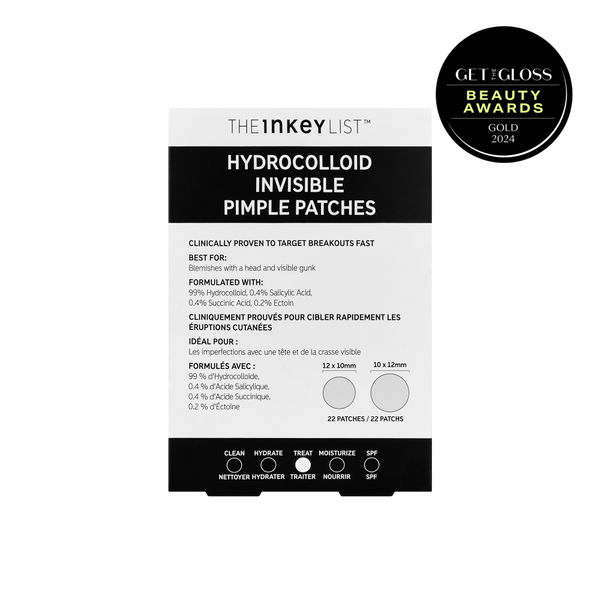
There is also a practical problem with squeezing. A blemish that is not yet ready to express will not clear effectively when pressed. Instead, you compound the inflammation without achieving the result you were hoping for. The most effective alternative is to apply a Hydrocolloid Invisible Pimple Patch (Pack of 22, £9) directly to the active blemish. Hydrocolloid patches absorb fluid from the blemish, create a physical barrier against bacteria and environmental contact, and - critically - make it much harder to pick at the area. The patch does the work while protecting the skin around it. They are most effective on whiteheads and surface-level blemishes.
Skipping SPF during a breakout is a mistake that significantly worsens the outcome. UVA radiation stimulates melanocyte activity. During a breakout, when melanocytes are already primed and responsive due to the inflammatory signal, UV exposure causes them to produce even more melanin than they otherwise would. The result is a deeper, darker, and longer-lasting PIH mark. This is not a theoretical risk - it is one of the most consistently documented factors in the severity of post-blemish hyperpigmentation. Wearing a broad-spectrum SPF every single morning, without exception, during a breakout is one of the most impactful things you can do to limit the marks that form. More on SPF and how to choose one here.
Using overly aggressive skincare during active inflammation is another common error. When the skin is already in a state of heightened inflammatory response, adding further irritation - through harsh physical scrubs, strong exfoliating acids, or layering multiple actives - amplifies the inflammatory signal. More inflammation means a stronger melanocyte response and, ultimately, a more significant mark. The temptation to attack a breakout aggressively is understandable, but the skin responds better to targeted, calming intervention than to aggressive chemical assault.
Leaving breakouts untreated for longer than necessary matters because inflammation duration is directly related to mark severity. The longer a blemish remains inflamed and active, the greater the cumulative melanocyte stimulation. Addressing the active blemish promptly - with the right cleanser and targeted treatment - shortens the inflammatory window and reduces the risk of significant marking.
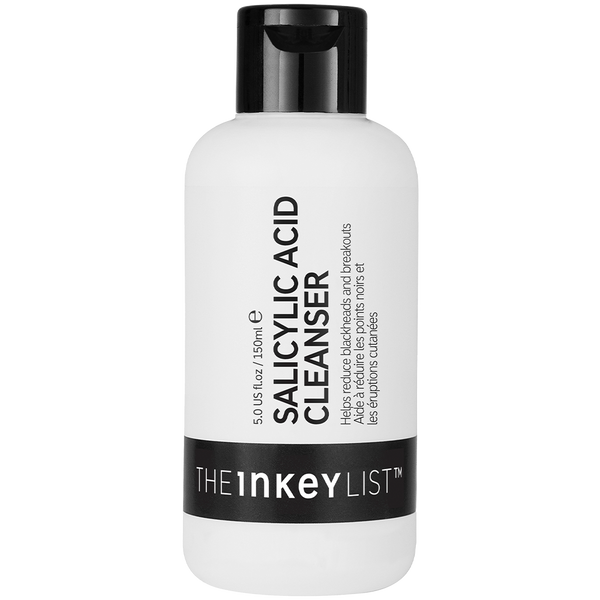
Insufficient cleansing allows bacteria, excess sebum, and environmental pollutants to remain on the skin’s surface and prolong the inflammatory environment. Cleansing twice daily with a targeted product - specifically one that addresses the conditions that drive breakouts - removes the factors that keep the inflammatory cycle active. The Salicylic Acid Cleanser 150ml (£14) is formulated with 2% salicylic acid to help decongest pores, reduce excess oil, and address the bacterial environment that contributes to blemishes. It also links well to salicylic acid’s role in blemish management if you want to understand the ingredient in more depth.
The common thread running through all of these habits is that they increase the depth, duration, or intensity of inflammation. And since inflammation is the direct trigger for both PIH and PIE, every controllable behaviour that reduces or limits that inflammatory signal reduces the chance of a lasting mark.
How to Prevent Acne Scars During an Active Breakout
This is the primary prevention window. What you do during an active breakout - from the moment a blemish appears through to when it fully heals - determines to a very large extent what, if anything, it will leave behind. The following five steps represent a targeted, evidence-led approach to blemish care that prioritises mark prevention alongside the resolution of the breakout itself.
Step 1: Cleanse to Clear the Inflammatory Environment
The foundation of any effective blemish routine is consistent, targeted cleansing morning and evening. The goal is not to strip the skin but to remove the excess sebum, bacteria, and surface debris that fuel and prolong the inflammatory cycle.
The Salicylic Acid Cleanser 150ml (£14) contains 2% salicylic acid, a beta-hydroxy acid that is oil-soluble and therefore able to work within the pore rather than just at the surface. It helps to decongest blocked pores, manage excess oil production, and create a cleaner environment that is less hospitable to blemish-causing bacteria. Used twice daily, it shortens the active phase of the breakout - which directly reduces the total duration of inflammation and the associated melanocyte stimulation.
Step 2: Target the Breakout Cycle Directly
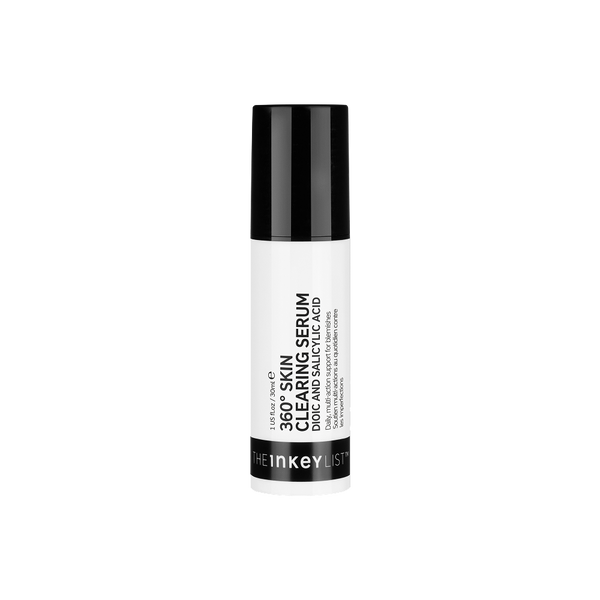
A targeted treatment serum is the most effective way to address the breakout itself while also beginning to address the post-blemish marks before they fully form. The 360 Skin Clearing Serum (£16) is formulated to work across all three stages of the blemish cycle. It contains 1% Dioic Acid, which addresses excess sebum and supports a balanced skin environment; 2% Salicylic Acid, which exfoliates within the pore to help clear the blockage; and 0.4% Dendriclear, which targets the post-blemish marks that form in the wake of a breakout. This combination means it is working on the cause, the active blemish, and the aftermath simultaneously. It does not require you to wait until the breakout has resolved - it is effective at every stage.
Step 3: Calm the Inflammatory Signal with Niacinamide
Niacinamide is one of the best-documented ingredients for reducing the inflammatory signal that drives excess melanin production. At 10%, it works by interrupting the communication between inflammatory cells and melanocytes, reducing the intensity of the pigmentation response even while a blemish is still active. This is a meaningful distinction from most brightening ingredients, which work primarily on existing pigmentation rather than the process that creates it.
The Niacinamide Serum (£12) delivers 10% niacinamide in a lightweight, easily layered formula. It can be used during active breakouts without risk of irritation, and it works well alongside both the salicylic acid cleanser and the 360 Skin Clearing Serum. Applied morning and evening after cleansing, it acts as a consistent moderator on the inflammatory response throughout the breakout cycle.
Step 4: Protect Active Blemishes with a Hydrocolloid Patch
As covered in the previous section, physically interfering with active blemishes is one of the most damaging things you can do. Hydrocolloid Invisible Pimple Patches (Pack of 22, £9) address this problem directly. Applied over an active blemish, the hydrocolloid material absorbs fluid from the breakout, reduces its visible surface area, and creates a physical barrier that protects the area from bacteria, friction, and unconscious picking. They are particularly useful overnight, and on any blemish you find yourself tempted to touch during the day. The patch essentially manages the blemish for you while your skincare routine works around it.
Step 5: Wear SPF Every Single Morning
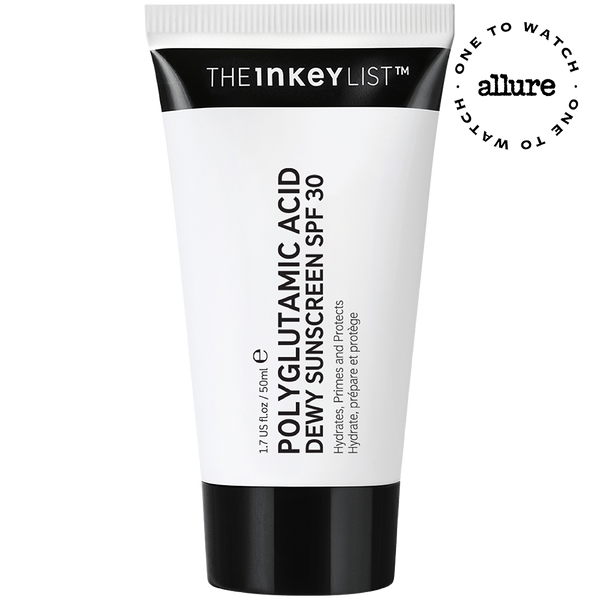
This cannot be emphasised strongly enough. During an active breakout, UV exposure directly worsens the pigmentation response and deepens the marks that form. Applying a broad-spectrum SPF every morning - rain or shine, indoors or outdoors - is one of the highest-impact preventive measures available. The Dewy Sunscreen SPF 30 (£15)provides broad-spectrum UV protection in a lightweight formula that does not feel heavy or congesting on blemish-prone skin. If SPF feels like an afterthought in your routine, the dedicated SPF guide makes the case in full for why it should be the non-negotiable final step every morning.
You do not need to wait for a breakout to resolve before beginning this routine. Steps two and three in particular - the 360 Skin Clearing Serum and the Niacinamide Serum - are designed to work during active inflammation, not after it. Starting early gives the skin more time to moderate the melanocyte response before significant pigmentation has a chance to deposit.
Once the breakout clears, the window for prevention does not close. It shifts.
What to Do Immediately After a Breakout to Stop Marks Forming
The immediate post-breakout phase is one of the most overlooked windows in skincare. When a blemish heals over, most people consider the episode finished. In reality, the inflammatory signal to melanocytes does not switch off at the same moment the visible blemish disappears. There is a lag. Melanin production can continue for days after the surface has healed. Acting promptly and strategically in the 24 to 72 hours following a blemish is often the difference between a mark that fades quickly and one that lingers for months.
Here are the five priorities for the immediate post-breakout phase, along with a practical timeline for introducing them safely.
Priority 1: Start Tranexamic Acid as Soon as the Blemish Clears
Tranexamic acid is currently one of the most precisely targeted ingredients available for interrupting the melanin signalling pathway. It works by blocking the interaction between keratinocytes and melanocytes that drives excess pigmentation production - addressing the mechanism at its source rather than attempting to lighten existing pigment after the fact.
The Tranexamic Acid Serum (£17) can be used morning and evening as soon as the active blemish clears. It pairs well with Vitamin C in the morning and works alongside niacinamide at any point in the routine. For a deeper understanding of how tranexamic acid works, the ingredient page covers the science in plain terms.
Priority 2: Add Vitamin C in the Morning for Brightening and UV Defence
Vitamin C addresses PIH through a different but complementary mechanism to tranexamic acid. It inhibits tyrosinase, the enzyme responsible for converting the amino acid tyrosine into melanin. Less tyrosinase activity means less melanin deposited at the site of the healed blemish. Vitamin C also provides antioxidant defence against UV-driven melanin stimulation - making it a particularly smart morning choice when used alongside SPF.
The 15% Vitamin C + EGF Serum (£16) delivers a clinically relevant concentration of stabilised vitamin C alongside EGF (Epidermal Growth Factor), which supports skin cell renewal. Apply it in the morning before moisturiser and SPF. For more on vitamin C and how it works on uneven skin tone, the ingredient guide provides detailed context.
Priority 3: Use Azelaic Acid for Red or Pink Post-Blemish Marks
If your primary concern is the redness and pinkness of PIE rather than brown pigmentation, azelaic acid is a particularly well-suited ingredient. It works on both the vascular and the pigmentation aspects of post-blemish marks - reducing redness by calming inflammatory pathways while also offering mild melanin-modulating effects. A review published in Dermatology and Therapy confirmed azelaic acid’s effectiveness in addressing inflammatory skin conditions and the associated post-inflammatory discolouration.
The 10% Azelaic Acid Serum for Redness Relief (£16) can be used morning and evening. It is well tolerated on sensitive and reactive skin, making it suitable for use immediately after a breakout when the skin may still be in a vulnerable state. For more on how azelaic acid works on post-blemish redness, there is a dedicated blog that covers it in detail.
Priority 4: Moisturise to Support Barrier Recovery
Post-breakout skin is often in a weakened state. The inflammatory process and any active treatment ingredients used during the breakout window can compromise the skin barrier. A compromised barrier is not only uncomfortable - it is more susceptible to UV damage, environmental aggressors, and further inflammation. Supporting barrier recovery through consistent moisturisation is a practical step that creates the optimal environment for pigmentation to fade.
The Omega Water Cream (£14) is a lightweight, oil-free moisturiser that delivers barrier-supporting fatty acids without congesting pores. It is suitable for use morning and evening throughout both the active breakout and post-breakout phases.
Priority 5: Continue Daily SPF Without Exception
Even once a breakout has fully cleared, the area where it occurred remains more susceptible to UV-driven melanin stimulation than surrounding skin. The melanocytes in that area are still in a heightened state of activity, and UV exposure can reignite pigmentation production even after the inflammation itself has subsided. The Dewy Sunscreen SPF 30 (£15) should remain the final step of your morning routine for as long as any visible mark remains.
A Practical Timeline for the Post-Breakout Phase
Knowing what to use is only part of the picture. Introducing too many active ingredients at once - particularly exfoliants and retinol - in the immediate post-breakout window can irritate already-sensitised skin. The following timeline offers a practical sequence:
In the first 24 to 48 hours after a breakout clears: Start Tranexamic Acid morning and evening. Add Vitamin C in the morning before SPF. Continue daily SPF without fail.
After one week: If skin is stable and no new breakouts are forming, introduce the Glycolic Acid Toner (£14) two to three evenings per week. Glycolic acid accelerates surface cell turnover, helping to bring the pigmented cells to the surface and shed them more quickly. Do not use on the same evenings as retinol.
After two weeks: If the glycolic acid is well tolerated, introduce the Retinol Serum (£13) on alternate evenings to the Glycolic Acid Toner. Retinol supports deeper cell renewal and stimulates collagen production over time, which is particularly relevant if there is any mild textural change at the site of the healed blemish. For more detail on how retinol supports post-blemish mark fading, the dedicated blog covers the mechanism and what to expect.
The key principle throughout this phase is consistency over intensity. A steady, well-targeted routine applied without interruption will outperform an aggressive approach that irritates the skin and forces you to stop and start.
Are Post-Blemish Marks Permanent? What to Expect and When to Seek Help
One of the most common questions people have after a breakout is whether the mark it leaves will be there forever. The honest answer depends on what type of mark it is.
PIE and PIH are not permanent in the vast majority of cases. They are a biological response to inflammation - not a permanent structural change - and with the right approach, they will fade. The question is how long that process takes and what you can do to speed it up.
For PIE, the timeline is generally more encouraging. Mild cases of post-inflammatory erythema can fade in four to eight weeks with consistent care, particularly when SPF is used daily and irritation is avoided. More persistent PIE - usually associated with deeper or more severely inflamed blemishes - may take longer, but it does not typically require more than a well-maintained routine over two to three months.
PIH is more variable. Mild, surface-level PIH in lighter skin tones can resolve in six to eight weeks. Moderate to deep PIH, particularly in medium to deeper skin tones, may take three to six months or longer - and daily SPF is the single biggest variable. Studies have consistently shown that UV exposure during the fading period can undo weeks of progress. This is why SPF is described as non-negotiable throughout this guide, not as a suggestion.
Does retinol help with acne scars? Yes, but it is a long-game ingredient. Retinol supports skin cell renewal and, over time, stimulates collagen production - which is relevant for any mild textural changes left by deeper blemishes. Significant results require a minimum of eight to twelve weeks of consistent use, and its effect on flat post-blemish marks builds gradually rather than delivering rapid visible change. It is most effective when used as part of a broader post-blemish routine rather than as a standalone fix. For a full breakdown, retinol and post-blemish marks covers what to realistically expect and how to incorporate it safely.
Does salicylic acid help with acne scars? Salicylic acid’s primary value is in preventing the breakouts that cause marks, and in accelerating surface cell turnover through its exfoliating action. It is not a dedicated PIH or PIE treatment, but using it consistently reduces the frequency of new blemishes - which limits the ongoing accumulation of new marks. More detail on salicylic acid’s role in this context is covered in the dedicated guide.
True structural scarring - atrophic pits, ice-pick, or boxcar scars - does not resolve on its own, and topical skincare can only improve mild cases. If you are dealing with significant textural scarring, the complete acne scars guide covers topical options and provides a realistic framework for what skincare can and cannot achieve. Severe structural scarring typically requires professional dermatological intervention beyond the scope of a skincare routine.
For broader concerns about pigmentation that extends beyond post-blemish marks, the hyperpigmentation guide offers a comprehensive overview of causes, types, and ingredient-led approaches.
The consistent thread through all of this is that the most effective action you can take is early, consistent, and targeted. Waiting to treat marks after they have fully established themselves is always harder than addressing the conditions that create them in the first place.
Putting It All Together: Causes, Risk, and the Power of Prevention
Post-blemish marks form because of a biological process - the skin’s inflammatory response to a blemish triggering melanocyte activity and vascular changes in the skin. The depth and severity of the original breakout is the primary driver. A surface-level blemish left undisturbed rarely leaves a lasting mark. A deep, inflamed blemish almost always does.
But the biology is only part of the picture. The behaviours around a breakout - whether you pick at it, whether you wear SPF, whether you treat it promptly, whether you support the skin in its recovery phase - are the most controllable factors in the outcome. They can meaningfully change what a breakout leaves behind.
Prevention starts during the breakout, not after it. The inflammatory signal that leads to marking can be moderated in real time through the right cleanser, a targeted treatment serum, niacinamide to dampen the melanocyte response, protective patches to prevent physical interference, and daily SPF to block UV-driven amplification of that response.
The immediate post-breakout window is equally important and often overlooked. Starting tranexamic acid and vitamin C promptly, protecting the barrier with a lightweight moisturiser, and introducing exfoliation and retinol gradually gives the skin the best conditions in which to recover cleanly and with minimal visible marking.
For marks that have already formed, the right routine - consistently applied over weeks rather than days - makes a real difference. Visit the complete acne scars guide for a full treatment-focused approach, including ingredient-led routines and what to expect at every stage.
If you are not sure where to start, take the Skincare Quiz for a personalised routine built around your skin’s specific needs. You can also build your own routine to put together the right combination of products at the right price, or try the Breakout Analyser Pro for AI-powered, dermatologist-backed personalised guidance on blemish-prone skin. If you want to explore the full range of targeted products, shop the Blemish Scars collection for everything relevant in one place.
Frequently Asked Questions
Got a question?
Our askINKEY team are a friendly bunch of skincare experts with deep product knowledge and zero judgement. Whether you're an ingredient obsessive or just starting out, we'll make it make sense. No question too big. No question too small. We Give A Care, Every Day.


