

What Causes Clogged Pores? The Complete Guide to Blocked, Congested Skin

Clogged pores are one of the most common skin concerns there is - affecting every skin type, every age, and every background. Understanding what causes them is the first step to clearing them, and that is exactly what this guide is here to do. You will find everything covered here: what pores actually do, what blocked and congested skin looks like, the root causes of pore congestion, which ingredients to avoid, how to build a routine that keeps pores clear, and answers to the most commonly asked questions on the subject.
If you already know what you are dealing with and want to get started, these are the products we recommend for blocked and congested skin:
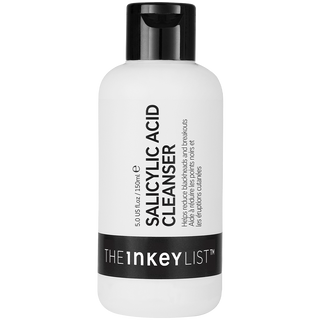
- Salicylic Acid Cleanser 150ml - £12
- Beta Hydroxy Acid (BHA) Serum - £10
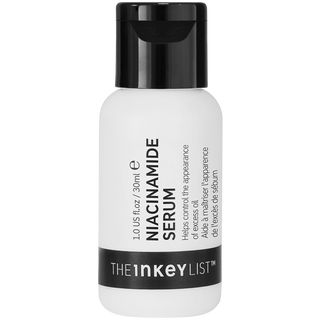
- 10% Niacinamide Serum - £10
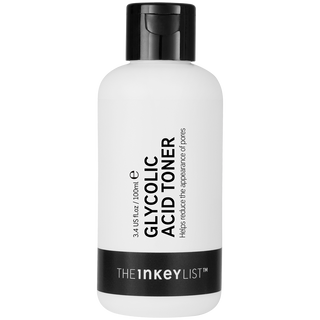
- Glycolic Acid Toner - £13
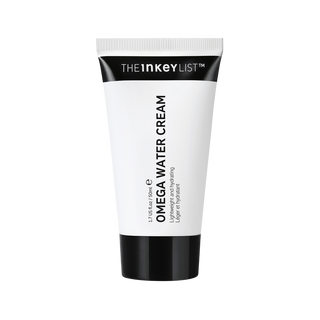
- Omega Water Cream 50ml - £11
- 360 Skin Clearing Serum - £16
- Succinic Acid Treatment - £11
- Oat Cleansing Balm 150ml - £15
This guide starts with the basics - because understanding what pores actually do makes it much easier to understand why they get blocked.
What Pores Do and Why They Matter
Pores are small openings in the skin surface, each one connected to a hair follicle and a sebaceous gland underneath. That sebaceous gland has one primary job: producing sebum, the skin’s natural oil. Sebum travels up through the pore to reach the skin surface, where it lubricates the outer layer, helps maintain the skin barrier, and protects against moisture loss and environmental stress. Every functioning pore on your face is doing exactly this, all day, every day.
There is a second type of pore - the sweat pore - which releases perspiration from sweat glands. When people talk about blocked pores and congested skin, however, they are referring to hair follicle pores, not sweat pores. These are the ones connected to sebaceous glands, and they are the ones that get congested.
Sebum is not the enemy. It is essential. The problem arises when sebum production outpaces the skin’s ability to clear it - when excess oil, dead skin cells and other debris accumulate inside the follicle faster than the natural renewal cycle can shift them. That accumulation is what creates a blocked pore.
Pore size is largely determined by genetics. This matters because it means pores cannot be physically “shrunk” - there is no product or treatment that permanently reduces the diameter of a pore. What can be changed is how they appear. When pores are clear of congestion and sebum production is regulated, they look visibly smaller. That is a real, meaningful and achievable result - it just requires understanding what is actually happening inside the skin.
Oily and combination skin types tend to have more visible pores, particularly across the T-zone (forehead, nose and chin), because the sebaceous glands in these areas produce more oil. According to the Cleveland Clinic, clogged pores are very common - acne affects around 50 million people annually, and blocked pores are the leading cause. Pore congestion is also the starting point for blemishes - for the full picture on how blocked pores lead to spots and breakouts, read our complete guide to blemish-prone skin.
Understanding what pores are supposed to do makes it much easier to understand why - and how - they get blocked.
What Blocked Pores Look Like: Types of Congestion and Where They Appear
Blocked pores do not always look the same. Congestion has several different presentations depending on how the blockage forms and where it sits in the follicle. Knowing which type you are dealing with helps you choose the right approach for clearing it.
Open Comedones (Blackheads)
An open comedone - more commonly known as a blackhead - forms when a pore is blocked but remains open at the surface. The contents of the pore are exposed to air, and the resulting oxidation turns the sebum dark. That dark colour is not dirt. It is oxidised oil, and it cannot be washed away because the blockage sits inside the follicle, not on top of the skin. Blackheads are most common on the nose, chin and forehead - areas where sebaceous gland density is highest. For a complete understanding of what blackheads are, why they form, and how they differ from other types of congestion, read our complete blackheads guide. You may also want to read our guide on sebaceous filaments vs blackheads - because a significant proportion of what appears as blackheads on the nose is actually a different (and normal) skin structure entirely. For targeted treatment, read our dedicated guide to getting rid of blackheads on your nose.
Closed Comedones (Whiteheads)
A closed comedone forms when a pore is blocked and the skin closes over it at the surface. The result is a small white or flesh-coloured bump - firm, contained, and without a visible opening. MedlinePlus defines closed comedones as bumps with “a solid core” visible in the middle. They tend to cluster around the chin, jawline and forehead, and they are frequently linked to hormonal fluctuations that increase sebum production in those areas.
General Skin Congestion
This is the earliest and most diffuse form of pore blockage - skin that looks rough, bumpy or uneven in texture without clear blackheads or distinct whiteheads. It is often described as congested skin. The pores are not fully blocked in the way that produces a defined comedone, but there is a consistent accumulation of sebum and dead skin cells inside the follicles that prevents the skin surface from looking and feeling smooth. This form of congestion is extremely common and very responsive to the right skincare routine, particularly consistent exfoliation.
Where Congestion Appears - and Why
Where congestion forms on the face is often a clue to what is causing it. The nose and T-zone are prime areas for blackheads and general congestion because of the high concentration of sebaceous glands in these regions. The chin and jawline tend to be more affected by hormonal fluctuations - the sebaceous glands in this area are particularly responsive to androgen activity. The forehead is influenced by haircare products, fringe contact and the general oil production of the T-zone. The cheeks can also be affected, particularly where the skin makes repeated contact with pillowcases, phone screens or hands.
Congestion is not limited to the face. The chest, back and shoulders are common areas too, particularly for those with oily or blemish-prone skin. Enlarged pores are another related concern - pores that look visibly larger are often ones that are congested. Clearing the congestion reduces their visible size over time.
Now that you can identify what blocked pores look like, the next step is understanding exactly what causes them - because treating congestion effectively means addressing the right root cause.
What Causes Clogged Pores? The Root Causes of Congested Skin
This is the section that matters most for anyone trying to clear their skin and keep it clear. Blocked pores on the face have several distinct causes, and most people are dealing with a combination of more than one. Here is what is actually driving the congestion.
1. Excess Sebum Production
The sebaceous glands produce too much oil, which pools inside the pore faster than the skin can clear it. This is the single most common driver of pore congestion. Oily and combination skin types are more prone to this by nature - sebum production is higher at baseline, and the follicles fill up more quickly. Genetics play a significant role here, but so does hormonal activity. Androgens - the hormones that increase during puberty, across the menstrual cycle, during pregnancy and perimenopause, and in response to stress-related cortisol spikes - directly stimulate sebaceous glands to increase output. More sebum means a higher risk of blocked pores.
2. Dead Skin Cell Buildup
The skin renews itself continuously, shedding dead cells from the outer layer as new ones push up from below. When this process slows - whether through ageing, dehydration, or insufficient exfoliation - dead cells accumulate inside the pore wall rather than shedding cleanly. Dead skin cells and excess sebum are the two core physical ingredients of a blocked pore. A comedone forms when these two substances combine and plug the follicle. This is precisely why exfoliation is central to any pore-clearing routine. Salicylic Acid is the gold-standard ingredient for this - it is oil-soluble, which means it can penetrate directly into the sebum inside the pore and exfoliate from within. Read our guide to salicylic acid for blackheads to understand exactly how this mechanism works at a biological level.
3. Makeup, SPF and Skincare That Is Not Fully Removed
Residual makeup, sunscreen and skincare products that are not fully cleansed off at the end of the day accumulate on the skin surface and at the pore opening. Over time, these residues mix with sebum and dead skin cells, accelerating blockage. This is one of the strongest arguments for double cleansing - particularly for anyone who wears makeup or SPF daily, which should be everyone. A single water-based cleanse is often not sufficient to fully break down oil-based products. The double cleanse starts with an oil-based formula to dissolve these residues before the active cleanse.
4. Pore-Clogging Skincare and Makeup Ingredients
Some ingredients in skincare and makeup are comedogenic - meaning they are more likely to block pores when applied to the skin. These are often heavy oils, thick waxes or certain silicones that sit on the skin surface and create a barrier that traps sebum inside the follicle. Common comedogenic ingredients to be aware of include: coconut oil, cocoa butter, isopropyl myristate, isopropyl palmitate, wheat germ oil and algae-derived ingredients in high concentrations.
The term “non-comedogenic” on a product label means it has been formulated to minimise the likelihood of blocking pores. It is not a regulated claim, but it is a meaningful one - it indicates a lighter-weight, pore-friendly formulation, particularly important for moisturisers and SPF. Checking product formulations and choosing oil-free or non-comedogenic options for these steps significantly reduces the risk of product-induced congestion. Haircare products are also worth noting - heavy conditioners and styling products that contact the forehead and hairline can congest pores in those areas.
5. Hormonal Fluctuations
As mentioned above, androgens stimulate sebaceous gland activity and increase sebum output. Hormonal congestion tends to concentrate around the chin, jaw and T-zone, where sebaceous glands are particularly androgen-sensitive. Common triggers include puberty, menstrual cycle fluctuations, pregnancy, perimenopause and elevated cortisol from ongoing stress. Topical skincare - particularly ingredients like Niacinamide that work at the sebaceous gland level to regulate oil - can significantly reduce the visible impact of hormonal congestion, even if the underlying hormonal cause is systemic. For a full breakdown of how Niacinamide works to regulate oil production, read our complete Niacinamide guide.
6. Skin Type and Genetics
Oily and combination skin types are inherently more prone to pore congestion due to higher baseline sebum production. Genetics also influence pore size and sebaceous gland activity - some people are simply more predisposed to congestion than others. This does not mean congestion is inevitable or unmanageable. It means the right routine and the right ingredients become more important, not less.
7. Environmental Factors
Pollution particles, humidity and heat can sit on the skin surface and accelerate the accumulation of debris inside pores. Touching the face with unwashed hands transfers bacteria and surface oils directly to pore openings. Pillowcases that are not changed regularly, phone screens pressed repeatedly against the cheek and tight face coverings that rub against the skin can all contribute to congestion in the areas they contact. These are not primary causes, but they are consistent contributing factors that are worth addressing alongside a skincare routine.
Once you understand what is driving your pore congestion - whether it is excess oil, dead skin cell buildup, the wrong products or a combination of all three - you can choose the right ingredients to address it. Here is what actually works.
How to Unclog Pores: The Ingredients and Products That Work
This is the action section. Each step below targets a specific part of the congestion cycle, and used together consistently, they deliver lasting results.
Step 1: Double Cleanse to Remove the Day’s Buildup
Double cleansing is the most important preventative step for congestion-prone and blemish-prone skin. It works in two stages. The first cleanse uses an oil-based formula to dissolve and lift makeup, SPF and the day’s surface buildup without stripping the skin. Our Oat Cleansing Balm 150ml (£15) contains 1% colloidal oatmeal and 3% oat kernel oil - it melts away impurities in under 30 seconds while keeping the skin barrier calm and intact. The second cleanse uses a water-based formula on already-clean skin, allowing active ingredients to work directly on the skin surface. Our Salicylic Acid Cleanser 150ml (£12) contains 2% Salicylic Acid and a Zinc compound for oil control - 90% of users agree skin looks visibly clearer after just 3 days.* Massage it onto damp skin for a full 60 seconds - that contact time is where the exfoliation happens.
*4-week independent consumer trial of 66 people.
Step 2: Exfoliate Inside the Pore with BHA
BHA - Beta Hydroxy Acid, most commonly Salicylic Acid - is oil-soluble. This is the property that makes it uniquely effective for pore congestion. Unlike water-based exfoliants that work at the skin surface, BHA dissolves directly into the sebum inside the pore and exfoliates from the inside out. Our Beta Hydroxy Acid (BHA) Serum (£10) contains 2% Salicylic Acid as a leave-on formula - giving the ingredient extended contact with the pore lining - plus 1% Hyaluronic Acid to prevent dryness. Start using it 2-3 times per week and build to nightly over 2-4 weeks as the skin adjusts. For the full science of how BHA works and how to layer it with other actives, read our complete Salicylic Acid guide. For a specifically blackhead-focused breakdown of how salicylic acid clears pore blockages at a molecular level, our salicylic acid for blackheads guide covers the mechanism in full detail.
Step 3: Exfoliate the Surface with AHA
While BHA works inside the pore, AHA - Alpha Hydroxy Acid - exfoliates at the skin’s surface, clearing the dead skin cells that accumulate around the pore opening and contribute to blockage. Our Glycolic Acid Toner (£13) contains 10% Glycolic Acid and 5% Witch Hazel for surface exfoliation and oil management. Use it in the PM, 2-3 times per week. Alternate with BHA rather than using both on the same night - this prevents over-exfoliation and gives the skin barrier time to function well between active steps.
Step 4: Regulate Sebum with Niacinamide
Niacinamide works at the sebaceous gland level to reduce overproduction of oil - addressing one of the root causes of congestion, not just its surface symptoms. Our 10% Niacinamide Serum (£10) also visibly minimises the appearance of pores with consistent use and calms post-blemish redness. Apply morning and evening after cleansing. For a full breakdown of how Niacinamide works and how to use it alongside other actives, read our complete Niacinamide guide.
Step 5: Target All Stages of Congestion with a Dedicated Serum
For skin dealing with active congestion, blocked pores and the marks they leave behind simultaneously, a targeted treatment serum addresses all three at once. Our 360 Skin Clearing Serum (£16) contains 1% Dioic Acid to target excess oil, active blemishes and post-blemish marks; 2% Salicylic Acid to exfoliate and unblock pores; and 0.4% Dendriclear to reduce redness and balance oil. Apply after cleansing, before Niacinamide.
Step 6: Hydrate Without Congesting
Blemish-prone and congestion-prone skin still needs moisture. Skipping moisturiser causes the skin to overcompensate with increased sebum production - making congestion worse, not better. The key is choosing a formula that hydrates without blocking pores. Our Omega Water Cream 50ml (£11) is oil-free and clinically proven to balance oil while deeply hydrating. It contains 0.2% Ceramide Complex, 5% Niacinamide and 3% Betaine, and its lightweight texture sits comfortably under makeup without adding shine or contributing to congestion.
Step 7: Spot-Treat Active Spots
For individual spots that have come to the surface, a targeted treatment speeds up resolution. Our Succinic Acid Treatment (£11) creates an environment that reduces blemish-causing bacteria and calms visible redness at the spot site - without the harsh drying effect of some traditional spot treatments.
Knowing which ingredients to use is half the equation. The other half is knowing how to put them together in a routine that works morning and evening without overwhelming the skin.
The Clear Pores Routine: Morning and Evening Steps
A consistent routine is where results are built. The steps below are ordered and intentional - each one serves a specific purpose in the process of keeping pores clear.
Morning Routine for Congested and Blemish-Prone Skin
- Cleanse - our Salicylic Acid Cleanser (£12). Massage onto damp skin for 60 seconds before rinsing.
- Treat (optional, for active congestion) - our 360 Skin Clearing Serum (£16). Apply to areas of active congestion before Niacinamide.
- Regulate - our 10% Niacinamide Serum (£10). Apply to face and neck.
- Moisturise - our Omega Water Cream 50ml (£11). Oil-free and lightweight under makeup.
- Protect - our Dewy Sunscreen SPF 30. Newly exfoliated skin is more sensitive to UV, and SPF also prevents post-blemish marks from darkening. This step is non-negotiable.
Evening Routine for Congested and Blemish-Prone Skin
- First cleanse - our Oat Cleansing Balm 150ml (£15). Massage onto dry skin to dissolve makeup, SPF and surface buildup.
- Second cleanse - our Salicylic Acid Cleanser (£12). The active exfoliating step on now-clean skin.
- Exfoliate (2-3 nights per week, alternating) - either our Beta Hydroxy Acid (BHA) Serum (£10) for inside-the-pore exfoliation, or our Glycolic Acid Toner (£13) for surface exfoliation. Do not use both on the same night.
- Regulate - our 10% Niacinamide Serum (£10). Apply after the exfoliant step.
- Spot-treat - our Succinic Acid Treatment (£11) on any individual spots.
- Moisturise - our Omega Water Cream 50ml (£11).
A few things worth remembering as you build this routine: introduce active ingredients one at a time. Allow 2-4 weeks before adding anything new so you can track what is working. Always patch test new products before full-face application. Consistency over time delivers the most meaningful results - most people see significant improvement within 8-12 weeks of a consistent routine. And oily skin still needs hydration - dehydrated skin overproduces sebum as a compensatory response, which makes congestion worse.
Not sure where to start? Try our Breakout Analyser Pro - an AI-powered, dermatologist-backed skin scanner for blemish-prone and congested skin. Or take our 2-minute Skincare Quiz for a personalised routine recommendation. Want to save? Build your own bundle and save up to 20%.
Before you get started, it is worth clearing up a few things that are commonly misunderstood about pores - because some of the most popular pieces of pore advice out there are simply not supported by science.
Common Pore Myths: What the Science Actually Says
These misconceptions are everywhere - on social media, in beauty editorial, even from well-meaning people in the skincare aisle. Here is what is actually true.
Myth 1: “You can shrink your pores.”
Pore size is determined by genetics and cannot be physically reduced. There is no product, treatment or technique that permanently changes the diameter of a pore. What can change - meaningfully - is how pores appear. When pores are cleared of congestion, and when Niacinamide is used consistently to regulate sebum and reduce visible pore size, pores look smaller. This is a real, achievable result even though the underlying pore structure has not changed. Focus on appearance and function, not on a physical reduction that is not possible.
Myth 2: “Hot water opens your pores, cold water closes them.”
Pores are not muscles. They do not open or close in response to temperature. Hot water can temporarily soften the skin and make cleansing feel more thorough, but it can also strip the skin barrier and trigger increased sebum production as the skin tries to compensate. Cold water does not close pores - it may temporarily constrict surface vessels, which can make the skin look tighter, but the pore itself is not affected. Use lukewarm water for cleansing. It is effective without being irritating.
Myth 3: “Pore strips clear blocked pores.”
Pore strips work by adhering to the skin surface and pulling away the very tip of a blackhead when removed. They do not address the sebum, dead skin cells and pore-lining buildup below the surface. They do not address excess oil production - the root cause of recurring congestion. And used incorrectly or too frequently, they can damage the skin barrier and cause lasting irritation. For the full evidence on what pore strips actually do and why dermatologists advise against regular use, read our guide: Are Pore Strips Bad for Your Skin?. The evidence-based alternative is consistent BHA use - Salicylic Acid exfoliates inside the pore itself and delivers lasting results over time, without the trauma of physical extraction. For a comparison of blackhead removal methods, read our guide to getting rid of blackheads.
Myth 4: “Only oily skin gets blocked pores.”
All skin types can develop blocked pores. Dry skin that is not efficiently shedding dead cells can experience congestion just as easily as oily skin - the dead cell accumulation inside the follicle is the same process. The causes may look different by skin type, but the fundamental mechanism is the same: when dead skin cells and sebum cannot clear the pore naturally, congestion forms. For a full breakdown of how blemishes form across all skin types, read our complete blemish-prone skin guide.
Myth 5: “If you squeeze it, it goes faster.”
Squeezing forces bacteria and sebum deeper into the surrounding tissue, increasing inflammation, extending healing time and significantly raising the risk of post-blemish marks. The correct approach for a surface spot is to apply a targeted treatment directly to it and leave it alone. Patience over pressure, every time.
With the right ingredients in your routine and the myths out of the way, here are the most commonly asked questions about blocked and congested pores - answered clearly and directly.
Frequently Asked Questions About Blocked and Congested Pores
What do blocked pores look like?
Blocked pores present in three main ways: as blackheads (dark-coloured, open at the surface), as whiteheads (small flesh-coloured or white bumps, closed at the surface), or as general skin congestion (rough, bumpy, uneven texture across the skin surface without distinct individual comedones). All three are forms of blocked pore, and all three respond to the same core ingredients - BHA for inside the pore and AHA for the surface. For the most complete guide to what blackheads specifically are, read our complete blackheads guide.
What causes blocked pores on the nose?
The nose is part of the T-zone, which has a higher concentration of sebaceous glands than most other facial areas. This means more oil is produced here than elsewhere, and the pores in this zone tend to be larger and more visible. Blackheads and general congestion are particularly common on the nose as a result. Regular exfoliation with BHA (Salicylic Acid) is the most effective approach for nose congestion specifically - its oil-soluble nature allows it to work directly inside the sebum-filled follicle. For the complete nose-specific guide, including the important distinction between blackheads and sebaceous filaments, read our guide to getting rid of blackheads on your nose.
What is congested skin?
Congested skin refers to a generalised buildup of sebum and dead skin cells inside the pores, producing a rough or bumpy texture across the skin surface - often without distinct blackheads or whiteheads. It is the earliest stage of blocked pores and the most responsive to preventative skincare. A consistent double cleanse and regular BHA exfoliation will address congested skin before it develops into defined comedones.
Can blocked pores go away on their own?
Mild congestion can sometimes clear as the skin’s natural renewal cycle sheds dead cells. However, without the right skincare, pore congestion typically persists or worsens over time - particularly if the root cause (excess sebum, slow cell turnover, comedogenic products) remains in place. Consistent use of exfoliating ingredients, particularly Salicylic Acid, significantly accelerates clearance.
How do you get rid of blocked pores quickly?
The fastest approach combines a BHA cleanser - massaged onto damp skin for 60 seconds for full contact time - with a leave-on BHA serum for extended exfoliation inside the pore. Most people see visible improvement within 3-7 days of consistent use. From there, adding Niacinamide to regulate oil production addresses the root cause and helps prevent pores from re-congesting.
What are the pore-clogging ingredients to avoid?
Ingredients more likely to block pores (comedogenic ingredients) include coconut oil, cocoa butter, isopropyl myristate, isopropyl palmitate and certain heavy waxes. Choosing non-comedogenic, oil-free formulas for moisturisers and SPF significantly reduces the risk of product-induced congestion. If your skin is blemish-prone, it is worth checking the full formulation of every product you apply to your face - particularly heavy balms, oils and thick creams.
Is Niacinamide good for blocked pores?
Yes. Niacinamide works by regulating sebum production at the sebaceous gland level, reducing the overproduction of oil that is one of the primary causes of pore congestion. At 10%, it also visibly minimises the appearance of pores with consistent use. Read our complete Niacinamide guide for the full breakdown of how it works and how to layer it in a routine.
Does Salicylic Acid help with blocked pores?
Yes - Salicylic Acid (BHA) is the gold-standard ingredient for blocked pores because it is oil-soluble. Unlike water-based exfoliants, it can dissolve directly into the sebum inside the pore, clearing the blockage from the inside out. It also has antibacterial properties, which helps address the bacteria that thrive in sebum-rich environments. Read our complete Salicylic Acid guide for a full breakdown of how to use it effectively, and our salicylic acid for blackheads guide for a deeper look at exactly how it works on comedonal congestion.
Can blocked pores cause spots?
Yes. Blocked pores are the starting point of the blemish cycle. When dead skin cells and sebum block a pore, bacteria that naturally live on the skin proliferate in the sebum-rich environment inside the follicle. The immune system responds to this bacterial activity with inflammation - and that inflammatory response is what produces spots. For the full breakdown of how blemishes form and progress, read our complete guide to blemish-prone skin.
Blocked Pores Are Manageable - Here Is Where to Start
Blocked and congested pores are one of the most common skin concerns there is, and they are driven by a combination of factors: excess sebum, dead skin cell buildup, product choices and genetics. None of those factors mean you are stuck with the skin you have right now.
The approach is straightforward. BHA (Salicylic Acid) works inside the pore to clear the blockage from the source. AHA (Glycolic Acid) clears dead cells from the surface. Niacinamide regulates oil production at the sebaceous gland level. A consistent double cleanse removes the daily accumulation that causes pores to refill. And the right moisturiser and SPF complete the picture without adding to the problem. You do not need to do everything at once. Start with a single change - a BHA cleanser, used twice daily - and build from there.
Ready to get started? Shop the routine individually or build your own bundle to save up to 20%. Not sure which products are right for your skin? Try our Breakout Analyser Pro for an AI-powered, dermatologist-backed skin assessment, or take our Skincare Quiz for a personalised routine in 2 minutes. Got a question? Our askINKEY team is available 24/7 on live chat - no jargon, no judgement.
Explore More Guides
- What Are Blackheads? The Complete Guide
- Sebaceous Filaments vs Blackheads: What’s the Difference?
- How to Get Rid of Blackheads on Your Nose
- Salicylic Acid for Blackheads: How It Works
- Are Pore Strips Bad for Your Skin?
- How to Get Rid of Blackheads
- Does Niacinamide Help With Acne?
- What is Salicylic Acid? Complete Guide
- What is Niacinamide? Complete Guide
- The Complete Guide to Blemish-Prone Skin