



How to Get Rid of Blackheads on Your Nose
A clear, science-backed guide to why nose blackheads form, how to tell them apart from sebaceous filaments, and the salicylic acid routine that actually works.
Author
askINKEY skincare advisor
Published
03 June, 2026
Time to read
14 minutes
If you’ve ever leaned into a mirror under bright light and zeroed in on your nose, you already know the pattern. Blackheads show up there more than almost anywhere else on the face, and there’s a clear, biological reason why that happens.
This guide focuses specifically on the nose. Blackheads are open comedones, pores that become blocked with a mix of sebum and dead skin cells, and then darken at the surface through oxidisation. That’s the short version. The longer, more useful version is what this guide is for.
Here’s what’s covered: why the nose specifically is a hotspot for blackheads, how to tell a true blackhead apart from a sebaceous filament (a very common mix-up), what actually causes blackheads to form, and a full ingredient-led routine built around products proven to address the problem at its source, not just on the surface.
Honestly, no, blackheads can’t be removed permanently. Skin produces sebum for as long as it’s skin, and pores on the nose will always be a little larger than pores elsewhere on the face. But blackheads are very manageable with the right routine, used consistently. This guide lays out exactly what that looks like, starting with the biology behind blackhead removal on the nose, and building toward a complete, repeatable routine.
For a broader look at blackheads across the whole face, the complete guide to blackheads covers the full picture. The nose-specific routine built here leans heavily on two products in particular, the Salicylic Acid Cleanser and the Beta Hydroxy Acid (BHA) Serum, both of which get explained in detail further down.
Why Do I Get Blackheads Only on My Nose?
This is usually the first question people ask, and it has a straightforward answer rooted in skin anatomy rather than anything to do with cleansing habits or hygiene.
The nose sits at the centre of what’s commonly called the T-zone, along with the forehead and chin. This area has one of the highest concentrations of sebaceous glands on the entire face. Sebaceous glands are responsible for producing sebum, the oily substance that keeps skin lubricated and protected. More glands packed into a small surface area means more sebum being produced in that same small surface area, which is the first part of the explanation.
The second part comes down to pore size. Pores on the nose are naturally larger than pores on, say, the cheeks or temples. Larger pores mean more room for sebum and dead skin cells to collect before they’re naturally shed, which increases the likelihood of a blockage forming. None of this is a reflection of how clean someone’s skin is or how diligently they cleanse. It’s simply localised anatomy, consistent and predictable across most skin types.
This is also why some people notice blackheads almost exclusively on their nose and nowhere else on the face. If gland density and pore size are concentrated in the T-zone, particularly the nose, that’s precisely where the visible result of excess oil and dead skin cell buildup is going to show up first and most often. Someone with naturally oily skin is likely to see this more intensely, since higher baseline sebum production means there’s simply more material available to create a blockage in the first place.
A few things worth understanding about this process:
- Sebaceous gland density is genetically determined and varies from person to person, which explains why blackhead severity differs so much between individuals.
- Pore size on the nose doesn’t change dramatically over time, though it can appear more or less noticeable depending on how much oil and debris is currently sitting inside it.
- Hormonal shifts, such as those during puberty, menstrual cycles, or periods of stress, can temporarily increase sebum output and make nose blackheads more noticeable.
- None of this means the nose is a problem area to fix. It means it needs a slightly more targeted approach than the rest of the face.
For a deeper look at how blockages form mechanically inside the pore, the dedicated article on what causes clogged poresgoes further into that process without duplicating what’s covered here.
Understanding why the nose is more prone to this in the first place sets up the next important distinction, because not everything that looks like a blackhead on the nose actually is one.
Blackheads or Sebaceous Filaments? Know the Difference First
This mix-up happens constantly, and it’s worth clearing up before going any further, because treating a sebaceous filament like a blackhead usually just leads to frustration and unnecessary over-exfoliation.
Sebaceous filaments are normal, functional structures. Every pore has one. Their job is to channel sebum from the gland up to the surface of the skin, which is a completely healthy and necessary process. They are not a blockage, a flaw, or a sign that something has gone wrong with the skin. Visually, they tend to be flat, grey or light brown in colour, and evenly spread across the nose and surrounding areas rather than appearing as individual, isolated spots.
A true blackhead looks and behaves differently. It forms from an actual blocked pore, where sebum and dead skin cells have built up and become trapped. True blackheads tend to appear darker, sometimes almost black, and can sit slightly raised compared to the smooth surface of the surrounding skin. The dark colour isn’t dirt, and it isn’t a sign of poor hygiene. It comes from oxidisation, the same chemical reaction that turns a sliced apple brown once it’s exposed to air. Once the trapped sebum inside the pore reaches the surface and meets oxygen, it darkens.
Because the nose has such a high concentration of sebaceous glands, it also naturally has a high concentration of sebaceous filaments. That’s precisely why confusion between the two is so common specifically in this area. Someone might look at their nose, see a scattering of small grey dots, and assume they’re dealing with dozens of blackheads, when in reality a large portion of what they’re seeing is completely normal pore function.
A quick way to separate the two:
- Sebaceous filaments sit flush with the skin and are relatively uniform in size and colour.
- True blackheads sit slightly raised, appear darker, and are more irregular in placement.
- Sebaceous filaments will typically return within days even after extraction, since they’re a continuous structure, not a one-time blockage.
- True blackheads can be reduced with consistent exfoliation over time, because the blockage itself can be cleared and prevented from reforming as quickly.
For a full, dedicated breakdown of this comparison, including close-up visuals and more detail than is useful to repeat here, the article on Sebaceous Filaments vs Blackheads: What’s the Difference? covers it comprehensively. The complete guide to blackheads is also worth revisiting for anyone who wants the full treatment breakdown beyond the nose-specific focus here.
With that distinction clear, it’s worth getting precise about what’s actually happening at a biological level when a true blackhead forms, since that process is what every ingredient recommendation later in this guide is designed to interrupt.
What Actually Causes Blackheads to Form
Stripped back to the basics, a blackhead forms through a fairly simple sequence of events, even though the end result can feel stubborn and hard to shift.
It starts with sebum. The sebaceous gland produces oil, which is meant to travel up through the follicle and reach the surface of the skin, keeping it lubricated. Alongside this, skin is constantly shedding dead skin cells as part of its natural renewal process. Under normal circumstances, both of these processes happen smoothly and without issue. The problem arises when sebum production is higher than usual, or when dead skin cells aren’t shed efficiently enough, and the two combine inside the follicle to form a plug. This is what’s known as an open comedone, the clinical term for a blackhead.
Because the comedone is “open,” meaning the top of the follicle remains exposed to air rather than closed over by skin, the trapped material at the surface oxidises. As covered earlier, this oxidisation is the same reaction responsible for browning in a cut apple or a sliced avocado left out on the counter. It’s a visual sign that air has reached the blockage, not an indication of dirt or bacteria sitting on the skin’s surface.
A few key contributing factors make this process more or less likely:
- Excess sebum production, which can be influenced by genetics, hormones, climate, or skin type.
- Insufficient exfoliation, meaning dead skin cells aren’t being cleared from the surface and follicle opening quickly enough.
- Comedogenic products, which are formulas containing ingredients known to clog pores more easily in certain skin types.
- Hormonal fluctuations, particularly during adolescence, menstrual cycles, or periods of increased stress, all of which can temporarily ramp up oil production.
Given everything already established about the nose, it should come as no surprise that this exact process tends to concentrate there. Higher gland density means more sebum available to contribute to a blockage, and larger pores mean more physical space for that blockage to form and sit visibly at the surface. It’s the same mechanism that happens everywhere else on the face, just intensified in one specific location.
Honestly, blackheads are not a hygiene failure. They’re a predictable result of normal skin biology interacting with normal environmental and hormonal factors.
It’s also worth being clear about language here. Blackheads and the breakouts that sometimes accompany them on blemish-prone, oily skin are cosmetic concerns, not a medical condition requiring clinical treatment. The goal of any skincare routine addressing them is to manage congestion and support clearer-looking pores, not to “cure” anything.
With the cause of the problem fully mapped out, from excess sebum to insufficient cell turnover to the physical anatomy of the nose itself, it’s time to look at what can actually interrupt that process. That means looking closely at the ingredients with genuine, evidence-backed ability to work inside the pore rather than just on top of it.
The Ingredients That Actually Work: Building a Blackhead-Clearing Routine
This is where things move from explanation into action, and the ingredient choice here matters more than almost anything else in this guide.
The gold-standard ingredient for blackheads is salicylic acid. What makes it different from most other exfoliating acids is that it’s oil-soluble. Because blackheads are fundamentally an oil-based blockage, an oil-soluble ingredient can actually penetrate inside the pore itself, rather than simply exfoliating the surface layer of skin the way a water-soluble acid or a physical scrub would. This is the core reason salicylic acid is so consistently recommended for blackheads and blemish-prone, oily skin specifically.
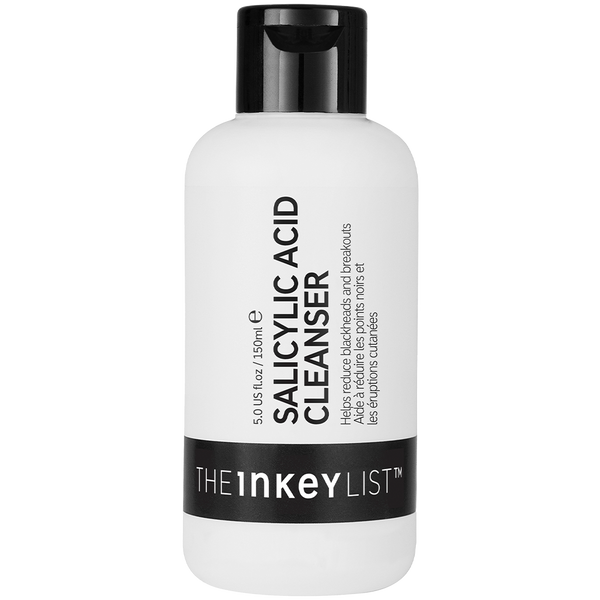
The Salicylic Acid Cleanser (£14.00) is built around this principle. For it to work properly, contact time matters. A quick rinse-and-go approach won’t give the acid enough time to get to work inside the pore. Instead, massage the cleanser into damp skin for around 60 seconds, focusing on the nose and T-zone, before rinsing off. That minute of contact time is what separates a cleanser that’s genuinely doing something from one that’s simply cleaning the surface.
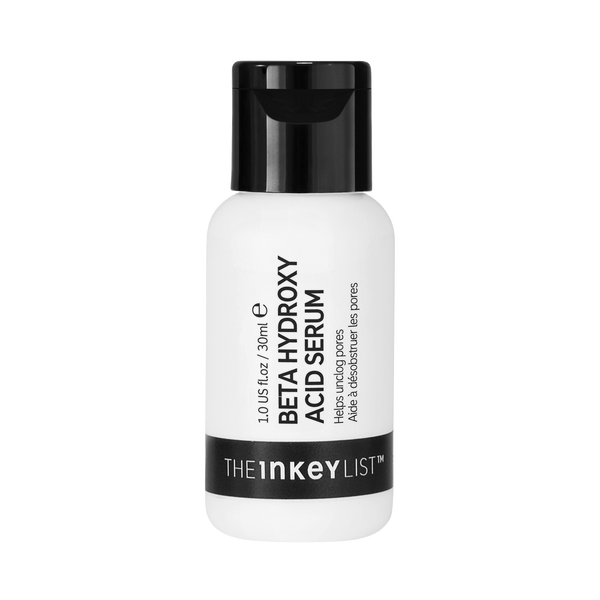
For deeper, longer-term results, the Beta Hydroxy Acid (BHA) Serum (£12.00) extends that same salicylic acid benefit into a leave-on format. Left on the skin overnight rather than rinsed away, it has significantly more contact time to continue working inside the pore while the skin rests. Together, the cleanser and the serum create both a quick, repeated daily touchpoint and a slower, overnight deep-acting treatment. The interplay between the two is covered in more depth in Salicylic Acid and Niacinamide: The Best Duo for Oily, Blemish-Prone Skin, which is also where the next ingredient comes in.
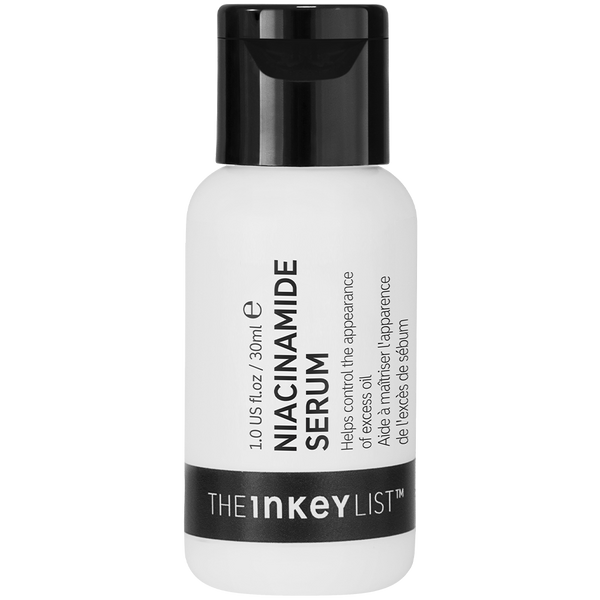
While salicylic acid works on existing blockages, niacinamide works a step earlier in the process, upstream at the gland itself. Rather than only addressing sebum and dead skin that have already combined into a plug, niacinamide helps regulate how much sebum the gland produces in the first place. Over time, this can mean less material available to create new blockages. It’s also closely linked to the appearance of pore size, which is directly relevant for anyone focused specifically on the nose. The article on Niacinamide for Pores explains this mechanism in more detail. The Niacinamide Serum (£12.00) is the product built around delivering this benefit consistently.
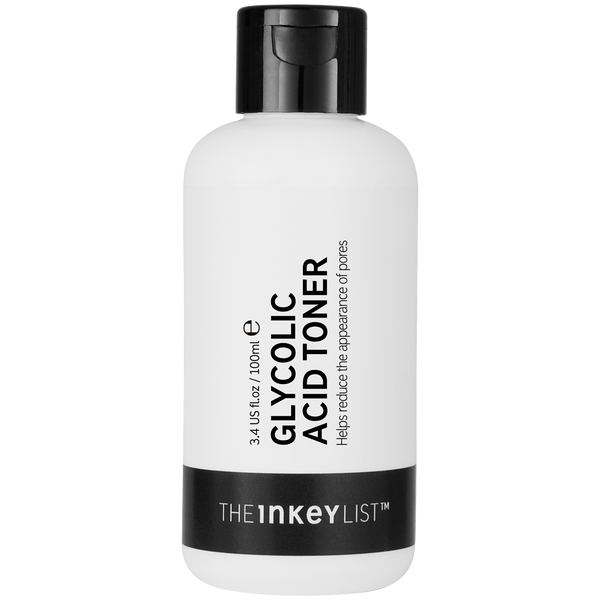
A complementary, though different, ingredient worth understanding is glycolic acid. Unlike salicylic acid, glycolic acid is water-soluble and works primarily on the surface of the skin, exfoliating dead skin cells around the opening of the pore rather than penetrating inside it. This makes it a useful partner ingredient rather than a replacement for salicylic acid. The Glycolic Acid Toner (£14.00) is designed to be used on alternating evenings to the BHA Serum, so the two surface and inside-the-pore approaches work together without overloading the skin with actives on the same night.
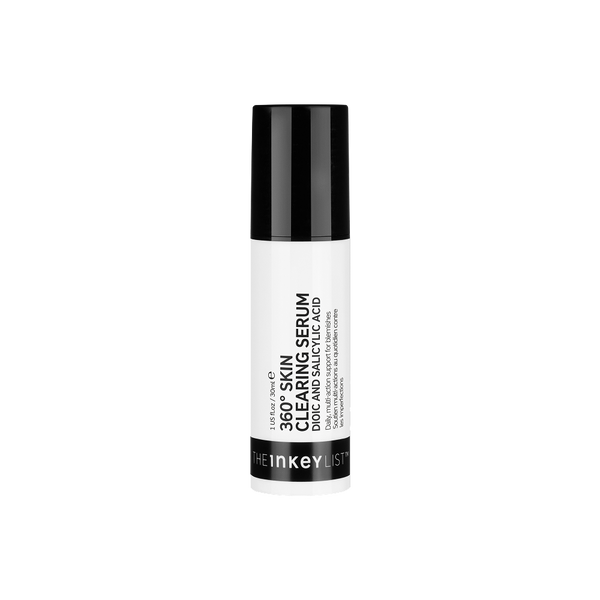
For anyone managing both blackheads and the occasional blemish at the same time, a situation that’s extremely common on oily, blemish-prone skin, the 360° Skin Clearing Serum (£16.00) is built as a multi-stage option that addresses both concerns within a single step.
A few practical notes worth keeping in mind when introducing any of these:
- New actives, especially acids, should always be patch tested first, particularly for anyone with sensitive skin or a history of reactivity.
- Introduce one new active at a time rather than building a full routine overnight, giving skin time to adjust.
- More product is not the same as faster results. Overloading skin with multiple strong actives at once tends to cause irritation rather than acceleration.
With each ingredient’s individual role now clear, from salicylic acid working inside the pore to niacinamide regulating sebum at the source to glycolic acid clearing the surface, the next step is putting all of it together into an actual daily routine.
Your Morning and Evening Routine for Nose Blackheads
Knowing which ingredients work is one thing. Knowing exactly when and how to use them is what actually gets results, so here’s the full routine broken into two clear parts.
Morning routine:
- Cleanse with the Salicylic Acid Cleanser (£14.00), massaging into damp skin for 60 seconds before rinsing, focusing on the nose and T-zone.
- Apply the Niacinamide Serum (£12.00) to help regulate oil production throughout the day.
- Moisturise with the Omega Water Cream (£14.00), which hydrates without adding heaviness to oilier skin types.
- Finish with the Dewy Sunscreen SPF 30. This step is non-negotiable, not optional.
Evening routine:
- Double cleanse, starting with the Oat Cleansing Balm (£15.00) to fully remove SPF, makeup, and the day’s buildup of oil and debris.
- Follow with the Salicylic Acid Cleanser (£14.00), again using the 60-second massage technique on damp skin.
- Alternate evenings between the BHA Serum (£12.00) and the Glycolic Acid Toner (£14.00), rather than using both on the same night, to avoid overexfoliating the skin.
- Apply the Niacinamide Serum (£12.00).
- Finish with the Omega Water Cream (£14.00) to lock in hydration overnight.
SPF deserves a specific mention here, because it’s often the step people with oily or blemish-prone skin skip first, usually out of concern it’ll add shine or feel heavy. Unprotected sun exposure doesn’t reduce oil production. It does, however, make any existing post-blemish marks more stubborn and visible, and it damages skin over time regardless of skin type. Skipping SPF doesn’t solve an oiliness problem, it just adds a second one.
It’s worth setting expectations clearly here too. This isn’t a routine that produces visible change overnight. Consistent use over six to eight weeks is a realistic timeline before noticing a meaningful reduction in congestion around the nose. Skin cell turnover and the gradual clearing of existing blockages simply take time, and that’s true regardless of which products are involved.
One more thing worth flagging directly: more isn’t better here. Combining too many actives in a single routine, or exfoliating more frequently than the skin can comfortably handle, tends to backfire. Over-exfoliated skin often responds by producing even more oil to compensate for a disrupted moisture barrier, which is the opposite of the intended result. The alternating structure built into the evening routine above exists specifically to prevent that.
With a full, realistic routine now in place, it’s worth addressing a few shortcuts that might seem tempting but don’t actually hold up, since avoiding them is just as important as following the routine itself.
What Doesn’t Work (and Why Pore Strips Aren’t the Answer)
It’s worth being direct about a few popular approaches to blackheads that tend to do more harm than good, because misinformation here is common and persistent.
Squeezing and manual extraction are probably the most tempting shortcuts, especially on the nose where blackheads are so visible up close. The problem is that squeezing can compress the pore wall in ways that push the blockage deeper rather than out, introduce bacteria from fingers into the follicle, and cause localised inflammation. Done repeatedly over time, it can even stretch the pore permanently, making it more likely to trap debris again in the future. What feels like a quick fix in the moment often creates a longer-term problem.
Pore strips are another widely used approach, and they deserve a direct answer. Honestly, no, pore strips are not a long-term fix. Here’s why: a pore strip can only adhere to and remove the very top layer of a blockage, the part sitting right at the surface of the skin. It cannot reach inside the follicle, where the actual sebum and dead skin cell plug is sitting. Because the root of the blockage is left untouched, it tends to reform within days. Repeated use over time can also weaken the pore lining itself, leading to redness, irritation, and in some cases pores that appear more prominent rather than less. A full breakdown of this is covered in Are Pore Strips Bad for Your Skin?, which goes into more depth than is necessary to repeat here.
Physical scrubs follow a similar pattern to pore strips. They work on the surface of the skin, manually sloughing off dead skin cells, but they have no ability to reach inside the pore where the real blockage sits. At best, a scrub might temporarily reduce the visible top layer of a blackhead, only for it to reform shortly after, since the underlying cause hasn’t been addressed.
The common thread across all three of these approaches, squeezing, pore strips, and physical scrubs, is that they all target the surface rather than the actual mechanism described earlier in this guide. For a refresher on exactly why that distinction matters, what causes clogged pores lays out the mechanics in full.
The ingredients covered earlier in this guide work differently precisely because they’re designed to reach inside the follicle itself, which is the only place the actual blockage exists. That’s the entire logic behind building a routine around oil-soluble salicylic acid rather than reaching for a quick surface fix.
The Bottom Line on Nose Blackheads
Blackheads on the nose are common, they’re explainable, and they’re manageable. None of that requires harsh extractions, repeated pore strips, or an ever-growing list of products.
The nose is a natural hotspot for blackheads because of higher sebaceous gland density and naturally larger pores concentrated in that part of the T-zone, not because of anything being done wrong. Salicylic acid, niacinamide, and glycolic acid each work through a different mechanism, salicylic acid reaching inside the pore itself, niacinamide regulating sebum production at the gland, and glycolic acid clearing dead skin cells at the surface, and together they address the problem from multiple angles rather than relying on a single approach.
Consistency is what actually delivers results here. Six to eight weeks of a routine used properly will do far more than any single extraction session or pore strip ever could. For the fuller picture beyond the nose specifically, the complete guide to blackheads is worth exploring next.
Not sure exactly where to start, or which products fit your specific skin? Take our Skincare Quiz for a personalised routine recommendation based on your actual skin, not a generic starting point. If you’re ready to build out a full routine, build your own routine and save when bundling products together.
Explore more:
Frequently Asked Questions
Got a question?
Our askINKEY team are a friendly bunch of skincare experts with deep product knowledge and zero judgement. Whether you're an ingredient obsessive or just starting out, we'll make it make sense. No question too big. No question too small. We Give A Care, Every Day.


