



Sebaceous Filaments vs Blackheads: What’s the Difference?
They look almost identical, but sebaceous filaments and blackheads need completely different treatment — here's how to tell them apart and what actually works for each.
Author
askINKEY skincare advisor
Published
03 June, 2026
Time to read
13 minutes
Those tiny grey or tan dots scattered across your nose are one of the most misunderstood features in skincare. Zoom into any mirror under bright light and they’re impossible to miss, which is exactly why so many people assume they’re looking at blackheads that need to be extracted, scrubbed, or stripped away. In reality, sebaceous filaments and blackheads are frequently confused, but they are not the same thing, and treating them as if they were can lead to unnecessary frustration, over-exfoliation, or picking at skin that was never actually a problem in the first place.
This guide breaks down the real, science-backed difference between the two. You’ll learn how to visually tell sebaceous filaments and blackheads apart, why sebaceous filaments exist in the first place (hint: they’re a normal and functional part of every pore, not a flaw), and what genuinely helps manage the appearance of both concerns. Ingredients like salicylic acid and niacinamide show up often in this conversation, and we’ll explain exactly how and why to use them correctly, rather than just listing them as buzzwords.
Before diving into treatment, it helps to reset expectations. Sebaceous filaments are not something “wrong” with your skin that needs fixing. They’re something your skin is supposed to do. Once that distinction is clear, the rest of this guide, covering causes, routines, and common mistakes, will make a lot more sense.
With that foundation in place, it’s worth starting at the very beginning: what sebaceous filaments actually are, and why they get mistaken for something else entirely.
What Are Sebaceous Filaments? (And Are They the Same as Whiteheads?)
So, what are sebaceous filaments, exactly? In plain terms, they are naturally occurring, hair-like structures that line the inside of every pore. Their job is simple but essential: they channel sebum, the oil your skin produces, from the sebaceous gland up to the surface of the skin. Without this structure, oil would have nowhere to go, and your skin’s natural lubrication and barrier support system would be disrupted.
Here’s the part that tends to surprise people: everyone has sebaceous filaments. They are not a skin concern, a sign of poor hygiene, or an imperfection that needs correcting. They are a normal, functional part of every single pore on your face, present from puberty onward as oil glands become more active. The reason some people notice them more than others usually comes down to pore size, oil production, and lighting, not an underlying skin issue.
This is also where one of the most persistent myths needs to be addressed directly: sebaceous filaments are not whiteheads. The two are fundamentally different in structure. Whiteheads are a type of closed comedone, meaning the pore is blocked at the surface, trapping oil, dead skin cells, and bacteria underneath. Because the pore is sealed off from air, the trapped material doesn’t oxidise, which is why whiteheads appear as small, flesh-coloured or white bumps rather than dark spots. Sebaceous filaments, on the other hand, are open. They aren’t blocked at all. They’re simply visible because of the combination of oil within the follicle and the natural size of the pore opening.
Sebaceous filaments tend to be most visible in a few predictable places: the nose, the chin, and the centre of the face, broadly known as the T-zone. This isn’t a coincidence. These areas have a higher concentration of sebaceous (oil) glands than the rest of the face, which means more oil is being produced and channelled through more pores in a smaller surface area. If you have oily skin, you likely produce more sebum overall, which makes the filaments that carry that oil more noticeable. The same logic applies to combination skin, where the T-zone runs oilier than the cheeks, creating a very specific pattern of visibility that many people recognise instantly once it’s pointed out.
It’s worth distinguishing this from true pore congestion as well. This guide on what causes clogged pores explains the mechanics of a blocked pore in more depth, and reading it alongside this section makes the contrast clear: clogged pores involve a blockage, sebaceous filaments do not.
Understanding sebaceous filaments as a structural, universal feature rather than a flaw changes how you approach them entirely. Once that foundational definition is clear, it becomes much easier to place them side by side with blackheads and see exactly where the real differences lie.
Sebaceous Filaments vs Blackheads: The Real Difference
This is the comparison most readers come here for, so let’s be precise about it. Sebaceous filaments vs blackheads isn’t a matter of severity, where one is a “mild” version of the other. They are two distinct things with different appearances, different causes, and different realistic outcomes when it comes to treatment.
Start with appearance. Sebaceous filaments typically show up as small, evenly spaced, greyish or tan-coloured dots. They tend to look uniform, almost like a consistent texture pattern across the nose and centre of the face, because they reflect the normal, regular distribution of pores in that area. Blackheads look different. They tend to be darker, more raised, and irregular in shape and spacing. Rather than following a neat, repeating pattern, blackheads appear more randomly and often feel slightly more textured or bumpy to the touch.
That difference in appearance comes directly from a difference in cause. A blackhead is technically a type of clogged pore, specifically an open comedone. It forms when oil and dead skin cells build up inside the follicle and, because the pore is open at the surface, that mixture oxidises on contact with air. This oxidisation is what turns the trapped material dark, giving blackheads their name and their signature colour. Sebaceous filaments involve no blockage and no oxidisation. They’re simply the visible result of oil moving through an open, properly functioning channel.
Sebaceous filaments are not something gone wrong with your skin, they are something your skin is supposed to do.
Then there’s the question of permanence, which is arguably the most important distinction for anyone trying to decide what to actually do next. Sebaceous filaments cannot be removed, because they are a structural part of the pore itself, not a buildup sitting inside it. They can be minimised in appearance with the right routine, but they will always be there in some form, because they need to be there for your skin to function properly. Blackheads are different. Because they involve an actual blockage, they can be properly treated and genuinely cleared with consistent use of the right ingredients, which we’ll cover in detail further down.
It’s also worth understanding why both tend to cluster in the exact same areas: the nose, chin, and forehead. This comes back to oil gland density. These zones simply have more sebaceous glands producing more oil than the cheeks, jawline, or temples. More oil production means more active sebaceous filaments channeling that oil to the surface, and it also means a higher likelihood of pores becoming blocked and forming blackheads. This is the same reason oily skin and combination skin are so frequently mentioned in this context. It isn’t that these skin types are doing anything wrong, it’s simply a matter of oil volume and where it concentrates.
For a deeper, dedicated breakdown of blackheads specifically, including how they form and what treating them actually involves, it’s worth exploring the full blackheads guide. And if you want to understand the blockage mechanism behind blackheads in more technical detail, this piece on what causes clogged pores lays out the process step by step. When it comes to the ingredient most associated with genuinely addressing blackheads, salicylic acid is the one worth knowing, and we’ll return to exactly how to use it a little later in this guide.
With the core differences clearly laid out, a natural question follows: why do these show up in the first place, and is there anything that actually influences how visible they become? That’s exactly what the next section covers.
Why Sebaceous Filaments and Blackheads Appear
Neither sebaceous filaments nor blackheads are a sign that something has gone wrong with your routine or your hygiene. Both are driven by a combination of biology and, to a lesser extent, daily habits, and understanding that combination makes it far easier to approach them without unnecessary frustration.
Sebum production is the starting point for both. The more oil your skin produces, the more visible both sebaceous filaments and blackheads tend to become, simply because there’s more material moving through or sitting within the pore. Oil production is influenced by several factors: skin type, hormonal fluctuations, and, to some extent, genetics. People with naturally oilier skin produce more sebum as a baseline, which is why visible pores, sebaceous filaments, and blackheads are often more pronounced in those with oily skin or the oilier T-zone areas of combination skin.
Pore size plays a significant role too, and it’s worth being upfront about this one: pore size is largely genetic. The size of your pores is determined at a structural level and cannot be permanently shrunk, no matter what a product claims. What can genuinely change is the appearance of pores, through keeping them clear of excess oil and debris, which makes them look tighter and less pronounced over time. This is an important distinction, because overpromising permanent pore reduction sets people up for disappointment with products that were never capable of delivering that in the first place.
Hormonal factors also deserve a mention. Sebum production naturally fluctuates with hormonal cycles, which is why some people notice their pores, sebaceous filaments, or blackhead-prone areas becoming more or less visible at different times of the month, or during particular life stages. This isn’t something a skincare routine alone can control, but understanding it helps frame why consistency, rather than chasing dramatic overnight change, is the more realistic approach.
Beyond biology, a few everyday habits can make pores look more congested than they otherwise would:
- Makeup buildup left on the skin for extended periods, particularly heavier or pore-clogging formulas, can sit on top of the skin and make pores appear more blocked.
- Incomplete cleansing, especially at the end of the day, can leave a mix of oil, SPF, and makeup residue sitting in and around pores overnight.
- Excess surface oil that isn’t properly managed throughout the day can make both sebaceous filaments and blackheads look more pronounced simply due to light reflecting off the oil sitting on the skin’s surface.
None of this means the skin underneath is “dirty.” It’s worth repeating that plainly: visible pores, sebaceous filaments, and even blackheads are not a hygiene failure. They’re the predictable result of oil gland activity meeting pore structure, sometimes compounded by daily habits that are easy to adjust once you know what to look for.
This is often the exact point where people reach for a quick fix, and pore strips tend to be the first thing many people try. Before going further into what actually helps, it’s worth flagging that pore strips come with their own set of considerations, covered in full in this guide on are pore strips bad for your skin. Keep that in mind as we move into the biggest myth in this entire topic: the idea that sebaceous filaments can be “gotten rid of” at all.
How to Minimise Sebaceous Filaments (You Can’t Remove Them, Here’s What Works)
Let’s address this directly, because it’s the single most searched and most misunderstood question in this entire topic: sebaceous filaments cannot be permanently removed. Not with extractions, not with pore vacuums, not with any product claiming to “eliminate” them. Because they are a structural part of the pore itself, anything that appears to remove them, like a pore strip pulling out visible debris, is only ever a temporary, surface-level result. The filament will simply refill with oil and become visible again, often within a day or two.
This isn’t discouraging news, it’s clarifying news. Once the goal shifts from elimination to minimising appearance and keeping pores clear of excess buildup, the right approach becomes much more obvious, and far more achievable.
Exfoliating acids are the most effective, realistic lever here, and two in particular do the heavy lifting:
- Salicylic acid is oil-soluble, meaning it can actually penetrate into the oily environment inside the pore lining itself, rather than just working on the surface. This makes it particularly effective at helping keep the inside of the pore clear, which visibly reduces the appearance of both sebaceous filaments and the buildup that leads to blackheads.
- Glycolic acid works primarily on the surface of the skin, exfoliating dead skin cells to smooth overall texture and tone. While it doesn’t penetrate the pore lining the way salicylic acid does, it complements the process by keeping the skin’s surface from compounding the appearance of congestion.
If you’re specifically wondering how to use salicylic acid for sebaceous filaments, the key is frequency and consistency rather than intensity. Starting with salicylic acid two to three times per week allows your skin to build tolerance gradually, reducing the likelihood of irritation while still delivering results over time. Once your skin adjusts, frequency can often be increased, but there’s no need to rush this. Consistent, moderate use over weeks will outperform aggressive, daily use that compromises your skin barrier in the process. For a deeper dive into how this ingredient specifically addresses blackheads, salicylic acid for blackheads walks through the mechanism in more detail.
Niacinamide plays a complementary, rather than primary, role here. Niacinamide helps balance oil production at the surface level and, used consistently, helps visibly refine the look of pores over time. It’s a gentler addition to a routine already built around salicylic acid, and the two are frequently paired for exactly this reason. This guide on salicylic acid and niacinamide: the best duo for oily, blemish-prone skin explains how to layer them together effectively.
One honest note before moving on: introducing a new acid into your routine can sometimes bring on a temporary period of purging, where the skin appears to break out more before it improves. This is a normal, short-term adjustment phase rather than a sign something is wrong, and this complete guide to skin purging is worth reading if you’re starting a new active and want to know what to expect.
And specifically, if the question on your mind is how to get rid of sebaceous filaments on your nose, the honest answer is the same as above: you can’t get rid of them, but consistent use of salicylic acid, supported by niacinamide, will visibly minimise their appearance on the nose more effectively than any extraction method, because it addresses the oil within the pore rather than just what’s sitting on the surface. For the long game, this guide on how to prevent blackheads long termreinforces why sustained, gentle consistency wins over quick fixes.
With the key ingredients and the logic behind them now clear, the next step is turning this into something concrete: an actual routine you can follow.
Building a Routine That Targets Both Blackheads and Visible Pores
Theory is useful, but most people reading this want to know what to actually put on their skin and in what order. Here’s a straightforward routine built around keeping pores clear, visibly minimising sebaceous filaments, and genuinely treating blackheads over time, without overcomplicating things with a dozen different steps.
Cleanse
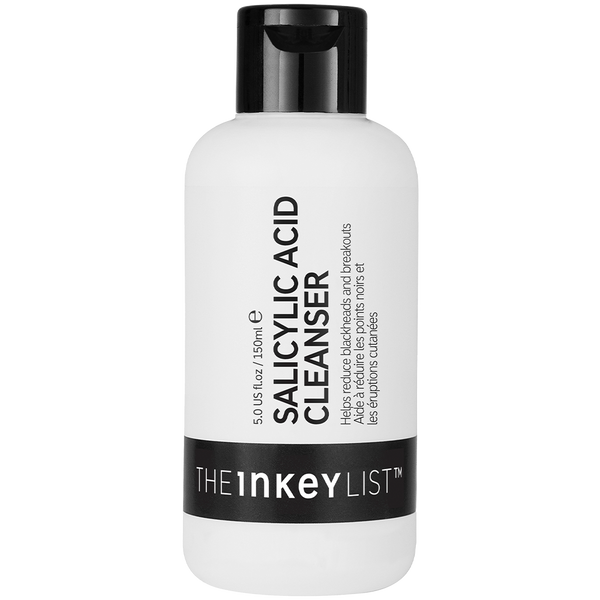
Start both morning and evening with the Salicylic Acid Cleanser (£14). As a daily, non-stripping first step, it helps keep pores clear of excess oil and debris without over-drying the skin, making it a sensible foundation to build the rest of the routine on.
Treat
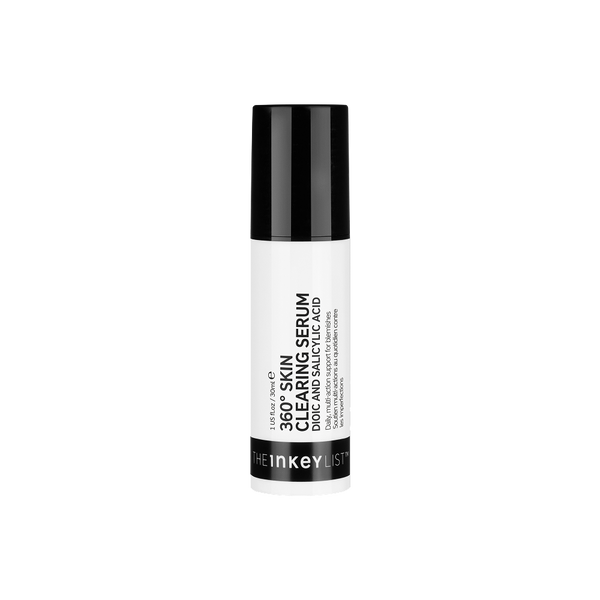
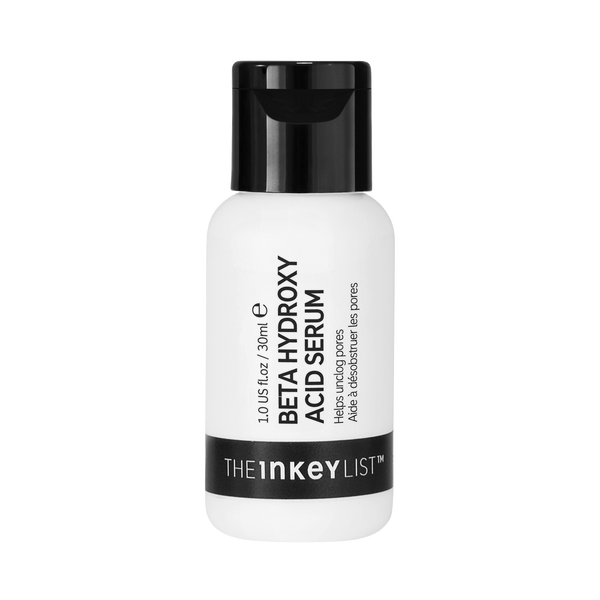
For those managing blemishes alongside visible congestion, the Beta Hydroxy Acid (BHA) Serum (£12) or the 360° Skin Clearing Serum (£16) are both strong options to introduce a few times a week, depending on how your skin responds and what else you’re balancing.
Exfoliate
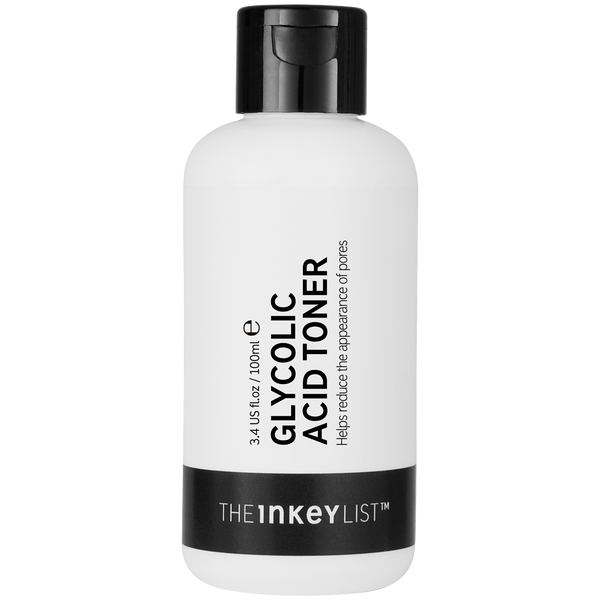
On alternating nights, the Glycolic Acid Toner (£14) supports surface texture and tone, rounding out the exfoliation strategy without overlapping too heavily with your salicylic acid use on the same evening.
Balance oil
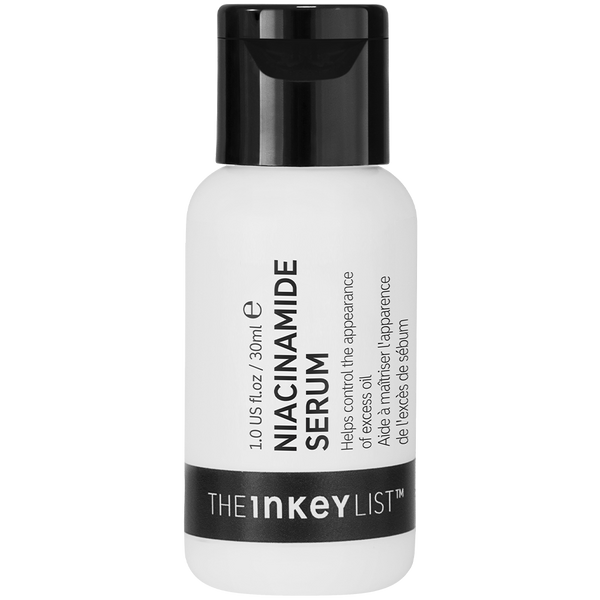
The 10% Niacinamide Serum (£12) is worth incorporating to help visibly refine the look of pores and manage shine over time, particularly if oil production is the main driver behind how visible your sebaceous filaments appear.
Hydrate
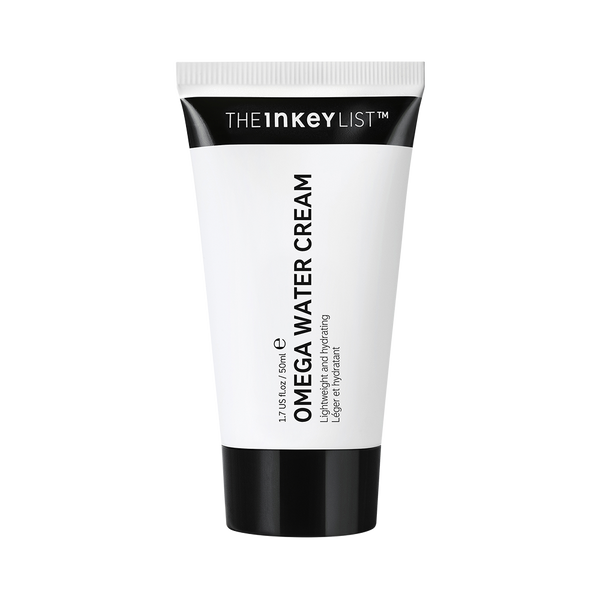
Don’t skip moisturiser just because your skin runs oily. The Omega Water Cream (£14) is oil-free and lightweight, making it well suited to oily and combination skin, ensuring your barrier isn’t left unsupported while you’re using actives elsewhere in the routine.
Spot care
For occasional blemishes, reach for the Hydrocolloid Invisible Spot Patches (£9) or the Succinic Acid Treatment (£13)rather than squeezing or using a pore strip. Both offer a safer, more targeted way to manage individual blemishes as they arise.
It’s worth setting expectations clearly one more time here: sebaceous filaments will not disappear from following this routine, and no routine can change that. What genuinely can improve, with consistent use over several weeks, is the visible congestion, blackheads, and overall texture that often get lumped in with sebaceous filaments in people’s minds. Keeping that distinction in focus is what makes a routine like this feel successful rather than disappointing.
Of course, a good routine can be undone by a few common habits, which is exactly what deserves attention next.
Common Mistakes to Avoid (Pore Strips, Squeezing and Over-Exfoliating)
It’s worth being honest about the habits that tend to undo progress, because most of them come from a reasonable place: wanting quicker, more visible results. Unfortunately, a few of the most common shortcuts can actively work against the routine outlined above.
Squeezing or picking at sebaceous filaments is one of the most frequent habits worth addressing directly. Because sebaceous filaments aren’t a blockage, there’s nothing to “extract” in the first place. Squeezing doesn’t remove them, it simply irritates the surrounding skin, and can lead to redness, inflammation of the immediate area, or even small injuries to the skin that take longer to resolve than the sebaceous filament itself would have been visible for. The temporary satisfaction of squeezing rarely matches the aftermath.
Pore strips are the next common go-to, and it’s easy to see the appeal, since they can pull out visible surface debris in a single use. However, pore strips only address what’s sitting at the very surface of the pore. They don’t do anything for the pore lining itself, which is where sebaceous filaments actually originate, meaning the appearance returns quickly. Pore strips can also be harsh, particularly on sensitive skin, sometimes causing micro-tears or irritation around the nose. For a fuller breakdown of exactly how pore strips work and where they fall short, this guide on are pore strips bad for your skinis worth reading in full.
Over-exfoliating is the third major pitfall, and it often comes from good intentions taken too far. Using multiple acids at once, or increasing frequency too quickly in pursuit of faster results, can compromise the skin barrier. Ironically, this often worsens the appearance of pores over time rather than improving it, because a compromised barrier tends to trigger more oil production as the skin tries to compensate, creating exactly the congestion the routine was meant to prevent. Understanding what causes clogged pores makes it clear why gentle, steady exfoliation outperforms aggressive, inconsistent use.
The safer alternatives are the ones already built into the routine above: hydrocolloid spot patches and succinic acid treatment for individual blemishes, rather than mechanical extraction or picking. These options target specific concerns without the collateral irritation that comes from squeezing or stripping.
If there’s one principle worth holding onto above all others in this section, it’s this: consistency with gentle, well-chosen actives will always outperform aggressive, one-off fixes. Skin improves gradually, through repeated, low-key care, not through dramatic single interventions.
If you’ve started introducing a new acid and notice a temporary flare-up, this guide to skin purging explains what’s normal and what isn’t during that adjustment window.
Conclusion
The core distinction in this entire topic comes down to one simple fact: sebaceous filaments are a normal, permanent part of every pore, present on every person’s skin, while blackheads are a form of clogged pore that can genuinely be treated and cleared with the right approach. Confusing the two leads to frustration, wasted effort, and sometimes damage from squeezing, pore strips, or over-exfoliating in pursuit of a result that was never achievable in the first place.
Visible pores and sebaceous filaments are not a flaw that needs fixing. They’re simply how skin, particularly oilier skin, works. What is genuinely achievable is a visible improvement in the appearance of both concerns, through a consistent routine built around proven ingredients like salicylic acid and niacinamide, rather than chasing elimination that was never realistic to begin with. That’s the approach this guide has walked through from start to finish: clear information, proven ingredients, and expectations grounded in how skin actually functions, not how marketing often suggests it should.
If you want to go deeper on managing clogged pores specifically, the full blackheads hub page is worth exploring for more detail on what genuinely helps. And if you’re ready to put this guide into practice, the Salicylic Acid Cleanser and 10% Niacinamide Serum are both accessible, well-suited starting points for the routine outlined above. Orders over £30 on the UK site qualify for free delivery, making it simple to build out this routine without overcomplicating your first step.
Frequently Asked Questions
Got a question?
Our askINKEY team are a friendly bunch of skincare experts with deep product knowledge and zero judgement. Whether you're an ingredient obsessive or just starting out, we'll make it make sense. No question too big. No question too small. We Give A Care, Every Day.


