



Is Glycolic Acid Good for Acne?
Glycolic acid can help blemish-prone skin by exfoliating dead cells, unclogging pores and fading marks - here's how it works, how to use it, and what results to expect.
Author
askINKEY skincare advisor
Published
01 August, 2026
Time to read
13 minutes
If you are wondering “is glycolic acid good for acne”, this guide gives you the complete, evidence-backed answer. You will learn what glycolic acid actually does for acne and breakouts, how it clears blocked pores and blackheads, whether it can fade post-blemish marks, how to build it into your routine safely, what skin purging is (and how to tell it apart from a genuine reaction), and whether it works on body breakouts too. We will also cover which products to consider, starting with our Glycolic Acid Toner, and when it is time to see a professional instead.
Glycolic acid is one of the most researched exfoliating acids in skincare, and the evidence for blemish-prone skin is strong. But to understand why it works, you first need to understand what it actually is.
What Is Glycolic Acid?
Glycolic acid is an alpha hydroxy acid, or AHA, traditionally derived from sugarcane. AHAs are a family of water-soluble exfoliating acids that work on the surface of the skin, loosening the bonds that hold dead skin cells together so they can shed away evenly rather than piling up.
What makes glycolic acid special within that family is its size. It has the smallest molecule of any AHA, which means it penetrates the upper layers of the skin more effectively than larger acids like lactic or mandelic acid. Smaller molecule, deeper reach, more noticeable results. That efficiency is exactly why glycolic acid has become the benchmark AHA in both dermatology clinics and at-home skincare.
That same efficiency is also why glycolic acid deserves a little respect. It works quickly, which means how you use it matters as much as whether you use it. We will get to the practical guidance later in this article, and if you want the full deep-dive into what glycolic acid is and how it works, our dedicated glycolic acid guide covers the ingredient science in detail. For a broader look at how AHAs compare with BHAs and PHAs, our guide to the types of acids in skincarewalks through the whole acid family.
For now, here is the answer you came for.
Is Glycolic Acid Good for Acne? The Short Answer
Yes, glycolic acid is good for acne-prone skin. It exfoliates the dead skin cells that clog pores and form comedones, and research shows it has inhibitory and bactericidal effects on C. acnes, the bacteria involved in breakouts. Used consistently at sensible strengths, it helps reduce congestion, blackheads and post-blemish marks.
Two terms in that answer are worth unpacking, because we believe in educating before anything else.
Comedones are the technical name for clogged pores. When dead skin cells mix with oil and get stuck inside a pore, they form a plug. If the plug stays open at the surface and oxidises, you get a blackhead. If it closes over, you get a whitehead. Either way, comedones are the starting point of almost every breakout, which is why keeping pores clear is the single most useful thing an exfoliant can do.
C. acnes (short for Cutibacterium acnes) is a bacteria that lives naturally on everyone’s skin. It is usually harmless, but inside a blocked, oil-rich pore it multiplies rapidly and triggers the inflammation that turns a simple clog into a red, angry spot.
Glycolic acid addresses both parts of this chain. First, it clears away the dead-cell buildup that starts the blockage. Second, and this is the part that surprises people, it has direct antibacterial activity. A study by Takenaka and colleagues published in 2012 found that glycolic acid demonstrated both growth-inhibiting and bactericidal effects against C. acnes, meaning it does not just clear the environment where the bacteria thrive, it acts on the bacteria themselves.
And you do not need a professional-strength peel to see benefits. So does glycolic acid help with acne at the strengths you can actually buy? The research says yes. A 2022 study by Chen and colleagues found that even a 5% glycolic acid formulation, well within at-home territory, significantly reduced mild-to-moderate acne lesions. That matters because it confirms what we have always believed: effective skincare does not have to be extreme or expensive. It has to be consistent.
With the short answer established, let us break down exactly how glycolic acid delivers each of those benefits, one mechanism at a time.
How Glycolic Acid Helps Blemish-Prone Skin: Four Key Benefits
Knowing that glycolic acid works is one thing. Understanding how it works tells you what to realistically expect, and when. Here are the four ways glycolic acid for acne earns its reputation.
Unclogs Pores and Helps Prevent Blackheads
Every blackhead starts the same way. Dead skin cells that should have shed naturally instead linger on the surface, mix with your skin’s natural oil, and settle into a pore. The plug that forms is exposed to air, oxidises, and darkens. That dark dot you see is not dirt, and no amount of scrubbing will wash it away, because the problem sits inside the pore opening, not on top of it.
Glycolic acid tackles this at the source. By dissolving the bonds between dead surface cells, it stops them accumulating in the first place. Fewer lingering dead cells means fewer plugs, fewer plugs means fewer blackheads and fewer of the closed comedones that later become inflamed spots. This is prevention rather than cure, which is exactly why glycolic acid for blackheads works best as a steady habit rather than an emergency measure. Think of it as keeping the drain clear rather than waiting for the sink to block.
Reduces the Buildup That Comes With Excess Oil
Let us be transparent about something, because plenty of marketing is not: glycolic acid does not switch off oil production. Nothing you apply topically will change how much sebum your skin decides to make, because that is driven largely by hormones and genetics.
What glycolic acid does do for oily skin is manage the consequences. Excess oil on its own is not the enemy. The trouble starts when that oil combines with dead skin cells to form the sticky mixture that congests pores. By keeping the dead-cell side of that equation under control, glycolic acid dramatically reduces the raw material available for congestion, so oily skin stays clearer even though the oil itself is still being produced.
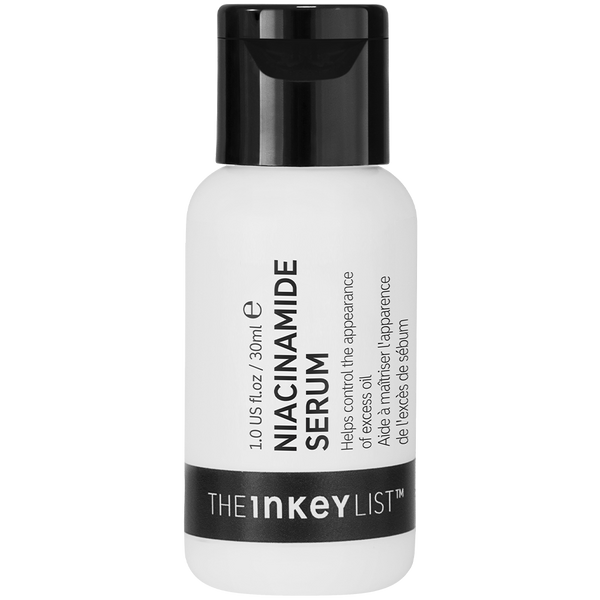
If shine and oil control are your bigger frustration, pairing glycolic acid with a dedicated oil-balancing ingredient makes sense. Our Niacinamide Serum (£12) is the natural partner here, helping to balance oil and reduce redness. The two ingredients work well together when introduced properly, and our guide to using niacinamide and glycolic acid together explains exactly how to combine them.
Fades Post-Blemish Marks
A spot heals, but it rarely leaves quietly. Most breakouts leave behind a flat dark or reddish mark that can linger for weeks or months. These marks are not scars, they are pigment left over from inflammation, and they fade as your skin renews itself.
This is where glycolic acid’s core mechanism becomes a genuine advantage. Because it accelerates surface cell turnover, the pigmented cells that make up a post-blemish mark are shed and replaced faster than they would be on their own. The mark still fades on its own schedule, glycolic acid simply compresses that schedule. There is more nuance here, including the crucial difference between marks and true scars, and we cover it fully in the acne scars section below.
Smooths Texture and Evens Tone
Beyond specific spots and marks, glycolic acid delivers a benefit that is easy to underestimate until you experience it: overall resurfacing. Skin that has been congested for a long time often develops a rough, uneven texture, a kind of bumpy dullness that makes everything from light reflection to makeup application worse.
Consistent glycolic acid use gradually polishes this away. A widely cited 2013 review by Sharad on glycolic acid peels in dermatology documented broad benefits across texture, tone and breakout-prone skin, which is why glycolic acid remains a first-line resurfacing ingredient in professional practice decades after its introduction. At home, at gentler strengths, the same principle applies: smoother texture, more even tone, and skin that looks brighter because light actually bounces off it evenly.
Of course, anyone researching exfoliating acids quickly runs into the other big name in the conversation. So how does glycolic acid compare with salicylic acid, and which one should you actually use?
Glycolic Acid vs Salicylic Acid for Acne: Which Should You Use?
This is one of the most common questions in skincare, and the answer comes down to solubility, which sounds technical but is beautifully simple.
Glycolic acid is water soluble. It works on the surface of the skin, sweeping away the dead cells that cause congestion, dullness and uneven texture. Salicylic acid is oil soluble, which means it can dissolve into the oil inside your pores and travel down into them, clearing congestion from the inside out.
Neither is better. They simply work in different places:
- Choose glycolic acid if your main concerns are surface congestion, rough texture, dullness, or lingering post-blemish marks.
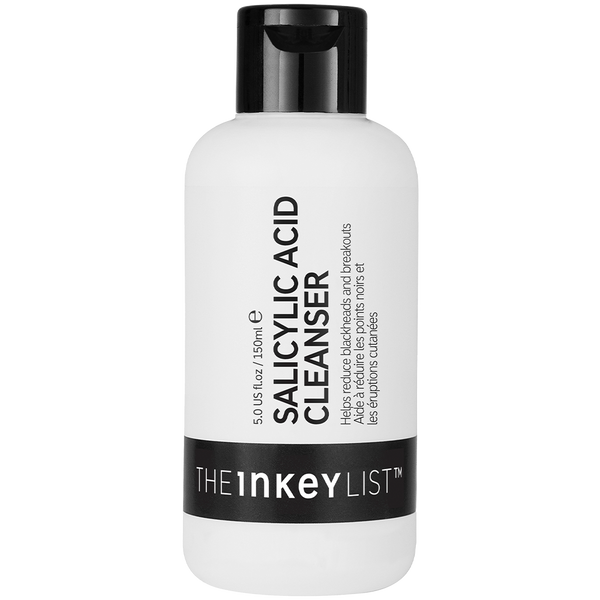
- Choose salicylic acid if your main concerns are blackheads, an oily T-zone, and congestion that sits deep in the pores. Our Salicylic Acid Cleanser (£14) is an easy entry point for oily and blemish-prone skin, delivering the ingredient in a rinse-off format that is gentle enough for regular use.
- Consider both if you have combination concerns. Many routines benefit from salicylic acid in a cleanser and glycolic acid in a toner, either at different steps or on alternate evenings.
If you do use both, introduce them one at a time and avoid stacking multiple strong acids in a single session. Our guide to ingredients you should not mix covers the combinations to approach with care.
This is the condensed version of the debate. For the full breakdown, including strengths, skin types and routine examples, read our complete glycolic acid vs salicylic acid comparison.
Once active breakouts are under control, attention naturally turns to what they leave behind. Can glycolic acid actually help with acne scars?
Does Glycolic Acid Help With Acne Scars?
This is where honesty matters more than anywhere else in this article, because “acne scars” is a phrase people use to describe two completely different things, and glycolic acid only helps with one of them.
Glycolic acid can fade flat dark marks and discolouration left behind by breakouts, but it cannot fill or remove pitted, indented scars, which involve lost collagen and need professional treatment.
Let us unpack that distinction properly.
The flat marks most people call scars are actually post-inflammatory hyperpigmentation, often shortened to PIH. When a spot becomes inflamed, the skin responds by producing extra pigment in that area, and the pigment outlasts the spot itself, sometimes by months. These marks sit at the surface, involve no structural damage, and respond well to anything that speeds up cell turnover. That is glycolic acid’s home turf. There is also a cousin of PIH called post-inflammatory erythema, the flat red or pink marks that are more about damaged capillaries than pigment. Our guide on how to fade red acne marks covers those specifically.
True atrophic scars are different. Icepick scars (narrow, deep pits), boxcar scars (wider depressions with defined edges) and rolling scars (soft, wave-like dips) all involve a physical loss of collagen beneath the skin. No over-the-counter product, ours included, can rebuild that lost structure. Treatments like microneedling, laser resurfacing and professional-strength peels performed by a qualified practitioner are the realistic options there, and anyone who tells you a cream will fix pitted scarring is not being straight with you. Our acne scars pillar page explains the full spectrum of mark and scar types, and the right approach to each.
For the marks glycolic acid can help with, the clinical evidence is solid. A 2009 study by Garg and colleaguescomparing chemical peels for breakouts and post-inflammatory pigmentation found glycolic acid effective at fading dark marks. Even more convincingly, a 2014 split-face randomised controlled trial by Kaminaka and colleaguesapplied glycolic acid peels to one side of participants’ faces and a placebo to the other, and the glycolic-treated side showed significantly greater improvement. Split-face trials are a particularly rigorous design because each person acts as their own control, which strengthens the reliability of the result.
Two expectation-setting notes before you start:
First, timelines. Fading post-blemish marks takes weeks to months of consistent use, not days. Pigment sits within cells that need to complete their full journey to the surface and shed, and that cycle cannot be rushed beyond a certain point. If a mark has been there for six months, expect gradual fading over one to three months of steady use, not an overnight transformation.
Second, SPF is not optional. UV exposure directly stimulates pigment production, which means unprotected sun exposure actively darkens the very marks you are trying to fade. Skipping sunscreen while using glycolic acid is like bailing water out of a boat while drilling new holes in the hull. A daily broad-spectrum SPF 30, such as our Dewy Sunscreen SPF 30, protects your progress and your skin.
Before those results arrive, though, some users experience an unnerving phase where things briefly look worse before they look better. That raises the question everyone quietly worries about.
Can Glycolic Acid Cause Breakouts? Purging Explained
Here is the reassuring truth: what most people experience in their first weeks with glycolic acid is not the acid causing breakouts, it is the acid revealing them faster. This is called purging, and understanding it will save you from abandoning an ingredient right before it starts working.
Purging happens because glycolic acid speeds up your skin’s turnover cycle. Congestion that was already forming beneath the surface, and would have surfaced over the coming weeks anyway, arrives ahead of schedule. It looks like a breakout, but it is really a fast-forward button on spots that were coming regardless. Genuine reactions, on the other hand, are your skin telling you the product or frequency is not right for you. The two look similar but behave very differently.
Signs you are purging:
- Spots appear in your usual breakout zones, the areas where you always get congested
- The blemishes come to a head and clear faster than your normal spots
- Skin feels otherwise normal, no significant stinging, burning or tightness
- Things settle within roughly one full skin cycle, around 4-6 weeks
Signs of a genuine reaction:
- Breakouts appear in new areas where you rarely or never get spots
- Redness, stinging, itching or a hot, tight feeling accompanies the blemishes
- Your skin feels rough, flaky or sensitised rather than gradually smoother
- Things get progressively worse rather than better as the weeks pass
If your experience matches the second list, stop the glycolic acid, simplify your routine down to a gentle cleanser, moisturiser and SPF, and let your skin recover before reassessing. If you suspect you have pushed exfoliation too far, our guide on what to do if you have over-exfoliated covers the recovery process step by step. Warning signs to watch for include persistent tightness, shine that looks waxy rather than healthy, stinging when you apply normally comfortable products, and flaking that will not resolve.
How to Use Glycolic Acid in Your Routine
Getting results from glycolic acid is less about the product and more about the habit. Here is the complete playbook.
How Often to Use It
Start with 2-3 evenings per week. That is it. The single most common mistake with any exfoliating acid is enthusiasm: using it nightly from day one because you want faster results. Skin does not work that way. Exfoliation benefits compound over weeks, and a barrier that is pushed too hard too fast will become irritated, which sets your progress back rather than accelerating it.
After 3-4 weeks, if your skin is comfortable, you can gradually increase frequency. Some skin eventually tolerates near-daily use, plenty of skin never needs more than three sessions a week, and both outcomes are fine. Consistency beats intensity every single time.
Where It Fits in Your Routine
The order is simple:
- Cleanse with a gentle cleanser and pat dry
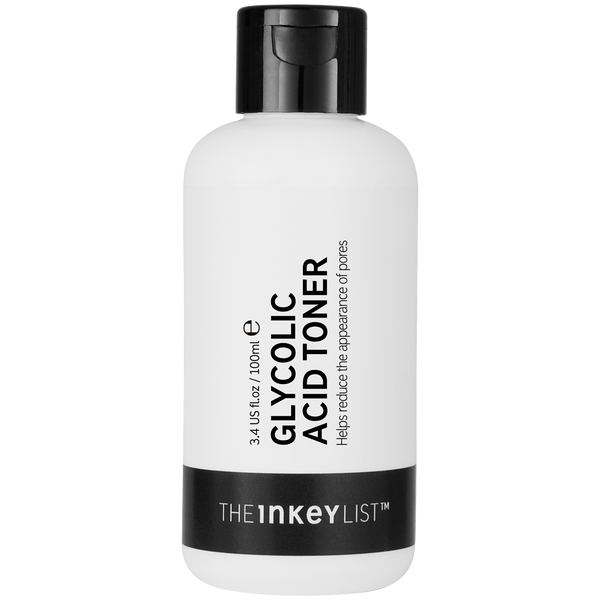
- Apply your glycolic acid product, such as our Glycolic Acid Toner, and allow it a minute to absorb
- Follow with any hydrating serums
- Finish with moisturiser to support your barrier
Evenings are the ideal slot, both because your skin does its repair work overnight and because it keeps freshly exfoliated skin out of direct sunlight.
SPF Is Non-Negotiable the Next Morning
All AHAs increase your skin’s sensitivity to the sun, because the fresh cells revealed by exfoliation have had less exposure and less time to build protection. Every morning after glycolic acid use (and honestly, every morning full stop), apply a broad-spectrum SPF 30 or higher. Our Dewy Sunscreen SPF 30 fits neatly as the final step of your morning routine. This is not cautious over-advice, it is the difference between glycolic acid fading your marks and the sun re-darkening them.
What Not to Mix Straight Away, and Patch Testing
While your skin is adjusting, avoid stacking glycolic acid with retinol or other strong acids in the same session. Each of these ingredients asks something of your skin barrier, and asking for everything at once on night one is how irritation starts. Once your skin is comfortable with glycolic acid alone, combinations become possible with proper spacing. If vitamin C is part of your mornings, our guide to glycolic acid and vitamin C layering explains how to run both without conflict.
Before your first full application, patch test. Apply a small amount behind your ear or on your inner forearm, wait 24 hours, and check for redness or irritation. It takes one day and can save you weeks of recovery.
Glycolic Acid for Back Acne and Body Breakouts
Breakouts do not stop at the jawline, and neither should your exfoliation strategy. Back acne, chest congestion and shoulder breakouts are extremely common, driven by a combination the face rarely deals with: sweat, friction from clothing and bags, and occlusion, which is the trapping of heat and moisture against the skin under fabric. Add slower cell turnover across larger areas, and you have ideal conditions for blocked pores.
The good news is that body skin is thicker than facial skin and generally tolerates glycolic acid very well, which makes it an excellent answer to the question “is glycolic acid good for back acne”. The challenge has always been application: pouring toner onto a cotton pad and reaching your own shoulder blades is nobody’s idea of a workable routine.
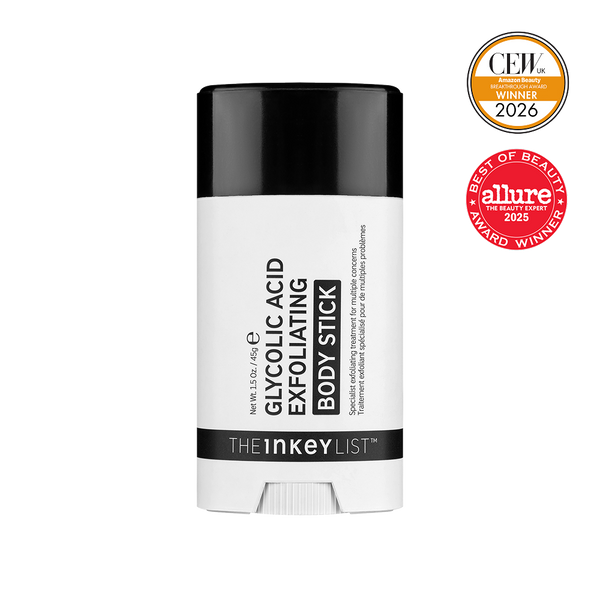
That is exactly why we made our Glycolic Acid Exfoliating Body Stick (£15). The stick format glides directly onto backs, chest and shoulders, no cotton pads, no contortion, delivering glycolic acid where body blemishes and breakouts actually happen. Swipe it onto clean, dry skin a few evenings a week after showering, let it dry before dressing, and give it the same 4-6 week window you would give your face. Post-workout is a particularly smart moment, once you have showered off the sweat that would otherwise sit on your skin. For the full picture on body breakouts, our acne pillar page covers causes and management across the face and body.
One gentle note before we move on: if your breakouts, on face or body, are persistently painful, deep or widespread, at-home exfoliation may not be the whole answer. The NHS guidance on acne is a good starting point for understanding when medical support makes sense, and we will cover exactly when to take that step shortly.
First, though, let us make product selection simple.
The Best INKEY Products for Blemish-Prone Skin
You do not need a ten-step routine. You need the right two or three products used consistently, and the honest truth is that buying everything on this list at once would be a worse strategy than choosing one and committing to it. Here is what each product does and who it suits, so you can pick with clarity.
Glycolic Acid Toner (£14). The hero of this article and the natural starting point if surface congestion, blackheads, dullness or post-blemish marks are your main concerns. Our Glycolic Acid Toner delivers 10% glycolic acid in a simple evening step: sweep it over clean skin 2-3 nights a week, follow with moisturiser, and build up as your skin adjusts.
Salicylic Acid Cleanser (£14). The best pick for oily and blemish-prone skin where congestion sits deep in the pores rather than on the surface. Because our Salicylic Acid Cleanser works in a rinse-off format, it is one of the gentlest ways to get a pore-clearing acid into your routine daily, and it pairs neatly with glycolic acid used at a different step or on alternate evenings.
Succinic Acid Treatment (£13). For the individual spots that show up despite your best efforts, our Succinic Acid Treatment is a targeted solution you apply directly to blemishes. Unlike harsh drying treatments of the past, it works without stripping the surrounding skin, so the spot resolves without leaving a flaky patch behind.
Niacinamide Serum (£12). The supporting player that makes everything else work better. If oil and shine are constant companions, our Niacinamide Serum helps balance oil production and calm redness, addressing the side of the congestion equation that exfoliating acids do not touch.
Glycolic Acid Exfoliating Body Stick (£15). The purpose-built answer for backs, chest and shoulders, bringing everything covered in the body section above into one mess-free format.
A simple, effective starting routine for blemish-prone skin might be: Salicylic Acid Cleanser morning and evening, Glycolic Acid Toner 2-3 evenings a week, moisturiser every night, SPF every morning. That is four products, two of which you probably already own. Clarity over quantity, always.
When to See a Professional
Skincare can do a great deal, and we will always be honest about where its limits sit. Some breakouts need more than any over-the-counter routine can offer, and recognising that early is a form of skincare wisdom, not a failure.
Consider speaking to a professional if any of the following apply:
- Your breakouts are painful, deep or cystic, sitting under the skin rather than on it
- You are developing pitted or indented scarring
- You have used a consistent over-the-counter routine for 8-12 weeks with no meaningful improvement
- Your skin is affecting your confidence, mood or day-to-day wellbeing
In the UK, your GP or a pharmacist is the right first step. Pharmacists can advise on over-the-counter options you may not have tried, and GPs can prescribe treatments such as topical retinoids, azelaic acid or antibiotics, or refer you to a dermatologist for more severe cases. The NHS acne treatment guidance outlines the treatment ladder clearly, and if you want to understand how UK clinicians make treatment decisions, NICE guideline NG198 is the official framework they follow.
Seeking professional help is not giving up on skincare. It is using the right tool for the severity of the job, and prescription treatments and a good at-home routine work side by side, not in competition. That last point matters more than most people realise: the person who books a GP appointment at week ten is making a smarter decision than the person who buys their fifteenth product at month eight.
A few quick-fire questions remain, so let us answer the ones people search for most.
The Verdict: Glycolic Acid Is a Proven Ally Against Acne
So, is glycolic acid good for acne? The evidence says yes, clearly and repeatedly. It clears the dead cells that clog pores, helps with blackheads and oil-related congestion, acts against the bacteria involved in breakouts, and fades post-blemish marks, all backed by clinical research rather than marketing promises. For blemish-prone skin, glycolic acid is one of the most reliable ingredients you can add to your routine, and understanding acne itself makes every product decision easier.
The golden rules fit in one line: start slow, use it in the evening, wear SPF the next day, and give it a full skin cycle before judging results. You do not need more products. You need the right ones, used consistently, with realistic expectations. Clear guidance. Proven ingredients. Real results.
Ready to add glycolic acid to your routine? Start with our Glycolic Acid Toner (£14) and explore our full glycolic acid collection for blemish-prone skin.
Frequently Asked Questions
Got a question?
Our askINKEY team are a friendly bunch of skincare experts with deep product knowledge and zero judgement. Whether you're an ingredient obsessive or just starting out, we'll make it make sense. No question too big. No question too small. We Give A Care, Every Day.


