



Stronger Skin Starts With a Stronger Barrier
Discover what your skin barrier does, what weakens it and how to strengthen it with a simple ceramide-led routine for calmer, more resilient skin.
Author
askINKEY skincare advisor
Published
03 October, 2026
Time to read
7 minutes
Your skin barrier is doing more for you right now than almost any other part of your skincare routine, and most of us barely give it a second thought. It is the thin, clever outer layer that keeps water in and the outside world out, and when it is working well, your skin feels calm, hydrated and comfortable. When it starts to struggle, everything else gets harder: products sting, moisture disappears, redness creeps in. The good news is that a stronger skin barrier is absolutely within reach, and it rarely takes more products to get there. It takes the right few.
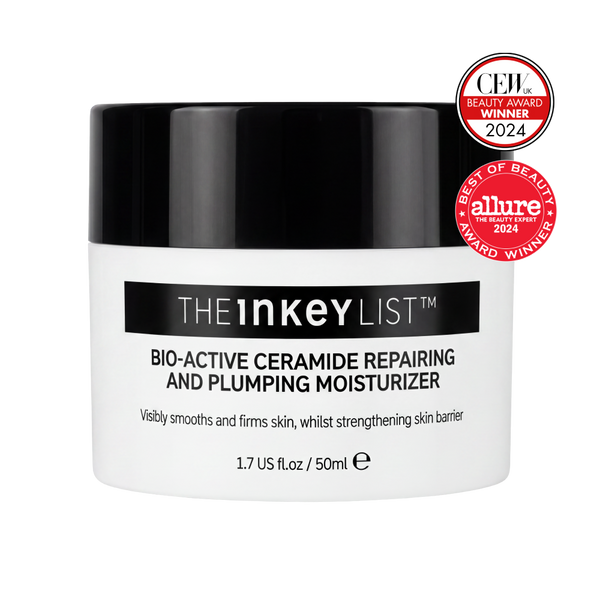
This guide is about building resilience day to day. It is for anyone who wants skin that copes better with cold mornings, long days, central heating and the occasional overenthusiastic exfoliation session. If you suspect your barrier is already compromised and you need a repair plan, start with our guide to a damaged skin barrier instead, because that is where we go deep on recovery. Here, we are focused on strengthening and supporting what you already have, with ceramide care at the heart of it, including Our Bio-Active Ceramide Moisturiser (£20).
In this guide you will learn:
- What your skin barrier actually is, in plain English
- How to tell whether yours is thriving or struggling
- The everyday habits that quietly weaken it
- A simple, science-backed routine to strengthen your skin barrier
- The ingredients that build long-term skin resilience
Let’s start with a shared definition, so the rest of this makes sense.
What is your skin barrier?
Your skin barrier is the outermost layer of your skin, and its job is beautifully simple: keep the good stuff in and the bad stuff out. It holds on to water so your skin stays hydrated, and it acts as a shield against irritants, pollution and bacteria that would otherwise cause trouble. Dermatologists sometimes describe it using a “brick and mortar” picture, where skin cells are the bricks and a blend of lipids, including ceramides, acts as the mortar holding everything together. Cleveland Clinic explains the skin barrier in a bit more depth if you want the clinical view.
When people talk about skin barrier function, they simply mean how well that layer is doing its two jobs: locking in moisture and keeping irritation out. Strong barrier function is the quiet engine behind skin that feels and looks healthy.
Think of it as your skin’s first line of defence.
Here is why it matters in practical terms. When your barrier is intact and well supported, your skin feels calm, stays hydrated and comfortable, and tolerates the products you use. You are not fighting tightness after cleansing or wincing when you apply a serum. That comfortable, resilient baseline is exactly what we are trying to protect and build.
We are deliberately keeping this short, because two topics deserve their own space. If you want the full ingredient explainer, learn what ceramides are on the page that covers them properly. And if your barrier already feels compromised, there is more on a damaged skin barrier waiting for you. For everyone else, let’s figure out where your barrier stands today.
Signs your barrier is strong vs struggling
Before you change anything, it helps to read your own skin honestly. A strong barrier and a struggling one give off very different signals, and most people can tell which camp they are in within a few seconds of really paying attention. This is not about labelling your skin as damaged. It is about noticing where you are on the resilience scale so you know whether to maintain or to support.
Signs of a strong barrier:
- Skin feels comfortable, not tight, shortly after cleansing
- It stays hydrated through the day without feeling parched
- It tolerates your usual products without stinging or reacting
- The overall look is even, calm and healthy
Signs your barrier is struggling:
- Tightness, especially right after washing your face
- Dryness, flaking or rough patches that will not budge
- Stinging or a prickly feeling when you apply products you used to love
- Visible redness or blotchiness
- A dull, tired look even when you have slept well
A lot of that tight, thirsty feeling comes down to something called transepidermal water loss, which is the water that evaporates up and out through your skin when the barrier is not holding it in properly. A little is normal and happens all the time. Too much, and your skin ends up chronically dehydrated no matter how much water you drink. If you want the science without the jargon overload, here is what transepidermal water loss means.
Treat the “struggling” list as a nudge to strengthen and support, not a diagnosis. If you are ticking several boxes and your skin feels genuinely compromised rather than just a bit under the weather, then if your barrier feels damaged, start here is the smarter route. For everyone who recognises a few early warning signs, the next question is the important one: what is actually causing this?
What weakens your skin barrier
Here is the reassuring truth: most of the things that weaken your skin barrier are habits, not life sentences. Once you know what they are, you can adjust them. None of this is about shame or scare tactics. It is about understanding the everyday pressures your barrier faces so you can take some of the load off.
Over-exfoliation is the big one. Acids and scrubs have their place, but using them too often, or layering several at once, strips away the very lipids that hold your barrier together. Exfoliation should reveal fresher skin, not leave it raw and reactive. If your skin feels tight or looks shiny-red after your acid night, that is a signal to scale back.
Harsh or stripping cleansing is the quieter culprit. That squeaky-clean, taut feeling after washing is often praised, but it is actually a warning sign. It means your cleanser has taken more than makeup and grime; it has taken some of your protective oils too. A good cleanse should leave skin clean and comfortable, never tight.
Weather and environment put constant, low-level stress on your barrier. Cold wind, dry heat, low humidity and the central heating that saves us in winter all pull moisture out of the skin. You cannot change the seasons, but you can change how well you protect against them.
Age plays a role too, and this one is simply factual rather than fixable. Over time, our natural levels of skin lipids and ceramides gradually decline, which is part of why mature skin can feel drier and less resilient. The structure and importance of ceramides in skin is well documented, and it is exactly why topping up those lipids becomes more valuable as the years go on.
There is also a subtler issue worth naming: too many products. A sprawling routine packed with potent actives can overwhelm the barrier instead of helping it. If that sounds familiar, how to build your skincare routine is a useful reset.
A healthy barrier is built on balance, not more products.
So if the problem is often doing too much, the solution is doing the right few things consistently. Let’s get practical.
How to strengthen your skin barrier - the daily essentials
If you remember nothing else from this article, remember these four steps. This is the core of how to strengthen your skin barrier, and it is intentionally simple. You do not need a ten-step routine or a drawer full of actives. You need to cleanse gently, hydrate well, feed your skin the lipids it is losing, and protect it from the sun. That is the whole framework.
-
Cleanse gently. Your cleanser sets the tone for everything that follows. A stripping formula undoes your hard work before you have even started, so choose something that removes the day without removing your barrier. Our Oat Cleansing Balm (£15) melts away makeup, SPF and grime while treating your skin kindly, so you are left clean and comfortable rather than tight.
-
Hydrate. Once skin is clean, support its moisture levels with barrier-friendly hydrators. Hydration gives your skin the water it needs to function, and pairing a humectant with a good moisturiser helps hold on to it rather than letting it evaporate away.
-
Ceramides. This is the headline step. Ceramides are the lipids your barrier relies on, and replenishing them is the most direct way to reinforce that protective layer. Our Bio-Active Ceramide Moisturiser (£20) is clinically proven to strengthen the skin barrier from first use, which makes it the natural anchor of a strengthening routine. If you want to understand why we formulate the way we do, here is the difference between bio-active and regular ceramides.
-
Protect. Daily SPF is not optional, because UV exposure is one of the biggest ongoing stressors on your barrier. Sun protection keeps the resilience you are building from being quietly undone every afternoon. Our Dewy Sunscreen SPF 30 gives you that protection with a comfortable, radiant finish.
The thread running through all four steps is restraint. Strengthening your barrier is not about piling on more; it is about choosing the right few steps and repeating them until they are second nature. Consistency is the active ingredient people most often forget.
One more thing before we move on: your face is not the whole story. Two areas get neglected far too often, and both have thinner, more vulnerable skin that benefits enormously from the same care.
Don’t forget your eyes and neck
Here is the bit most people skip. The skin around your eyes and on your neck is thinner and more delicate than the skin on the rest of your face, which means it tends to show stress and dryness sooner. Yet these are exactly the areas that get left out when we rush. Extending your barrier care to your eyes and neck is one of the easiest upgrades you can make, and it closes the gap between a face that looks cared for and one that looks consistently cared for.
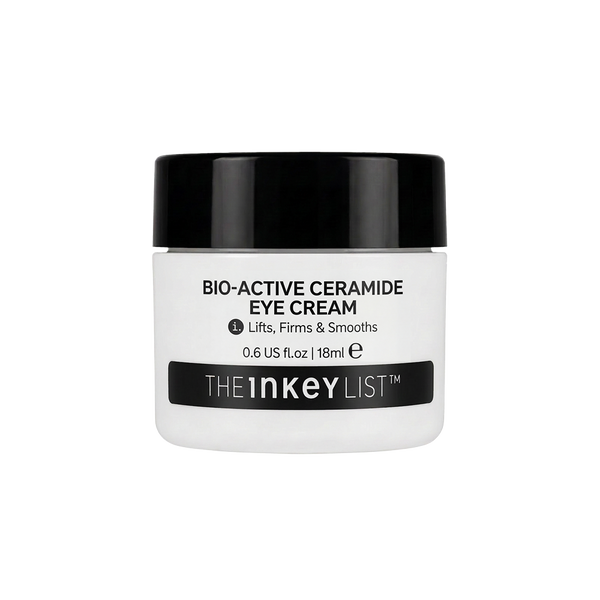
Eyes: The delicate eye area loses moisture quickly and can look tired when it is dehydrated. Our Bio-Active Ceramide Eye Cream (£15) offers targeted barrier support around the eyes and helps skin look visibly firmer, so the area stays comfortable and fresh.
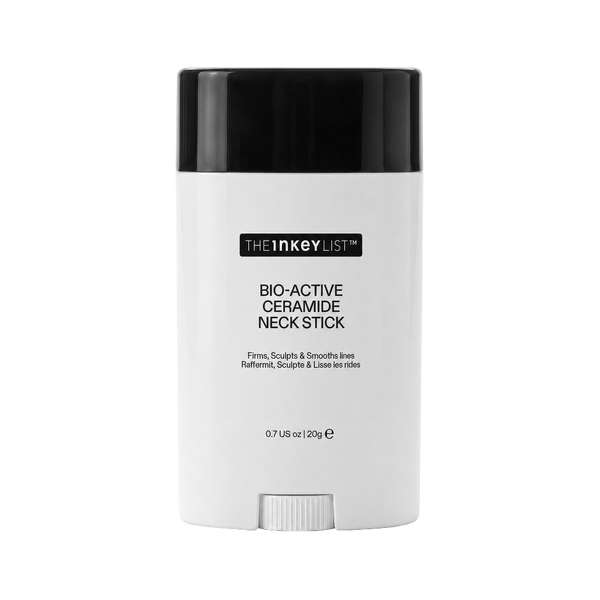
Neck: The neck is almost always an afterthought, despite being on show every day. Our Bio-Active Ceramide Neck Stick (£15) brings the same barrier support to this often-forgotten zone, with a visible lift that makes the neck look smoother and more defined.
We keep these claims cosmetic and measured on purpose, because honesty is part of the brand. These are supportive, comfort-building steps that help thinner skin look and feel its best, not miracle fixes. Add them in, and your barrier care finally covers all the skin that needs it.
Now that you know where to apply care, let’s talk about what is actually doing the work inside these formulas.
The ingredients that build barrier resilience
Skin resilience is not magic. It is chemistry, and a few well-chosen ingredients do the heavy lifting. Understanding them helps you shop smarter and lean on barrier support skincare that genuinely earns its place, rather than chasing whatever is trending. Here are the building blocks worth knowing.
-
Ceramides. These are the lipids that help hold the barrier together, the mortar between your skin cells. Replenishing them reinforces the structure that keeps moisture in and irritants out. We will not re-explain them in full here; what ceramides are and how they work covers the detail. The short version: they are foundational, and the role of ceramides in skin barrier function is well supported by peer-reviewed research.
-
Omega fatty acids. These help support and smooth the barrier, reinforcing its structure and improving how skin feels. They work alongside ceramides as part of the lipid matrix your skin relies on.
-
Glycerin. A dependable, time-tested humectant that draws moisture into the skin and helps hold it there. It is the quiet workhorse of hydration, and it pairs beautifully with barrier lipids to keep skin plump and comfortable.
Tie these together and a pattern emerges: each one helps your skin cope better with daily stress. Ceramides and omegas rebuild and reinforce, glycerin keeps the water in, and the result is skin that bounces back from cold weather, long days and the occasional skincare misstep. That is what resilience really means - not skin that never faces stress, but skin that handles it.
Knowing the ingredients is one thing. Knowing how to actually use them day to day is another, so let’s turn all of this into a routine you can follow.
A simple barrier-strengthening routine
This is where everything comes together. The point of a routine is that you stop thinking about it and simply do it, so we have kept this deliberately lean. It uses our hero products across face, eyes and neck, morning and evening, and it is realistic enough to actually stick to. If you want the broader method behind routine-building, how to build your skincare routine goes further, but this will serve you well.
Morning:
- Gentle cleanse to wake the skin and remove any overnight residue
- Our Bio-Active Ceramide Moisturiser to hydrate and reinforce the barrier
- Eye cream around the delicate eye area
- Neck stick for the often-skipped neck
- SPF to finish and protect everything you have just done
Evening:
- Cleanse to melt away makeup, SPF and the day
- Ceramide moisturiser to replenish lipids overnight
- Eye cream around the eyes
- Neck stick for the neck
That is it. No ten-step choreography, no competing actives fighting for attention. Consistency beats complexity every single time, and a short routine you do every day will always outperform an elaborate one you abandon by Thursday.
Once you commit to it, the natural next question is how soon you will actually notice a difference. Let’s set honest expectations.
How long until you see a stronger barrier?
It is tempting to want overnight results, but barrier strengthening rewards patience, not aggression. Here is what to realistically expect so you can stay the course instead of over-treating in search of faster progress.
Comfort and hydration tend to improve quickly. Within a few days of gentler, more consistent care, many people notice their skin feels less tight, less thirsty and generally more comfortable. That early win is your barrier starting to hold on to moisture again.
Visible resilience takes a little longer. A calmer, more even look, skin that tolerates products better and bounces back faster, usually builds over a few weeks of regular use. This is the deeper work, and it is well worth the wait.
Be consistent, not aggressive.
And remember that strengthening is ongoing rather than a one-off fix. Your barrier faces fresh stress every day, so the habit is the point. If, as you go, you realise your skin needs genuine repair rather than day-to-day support, there is more on supporting a damaged skin barrier to guide you.
The takeaway
Stronger skin really does start with a stronger barrier, and the path there is refreshingly uncomplicated. Cleanse gently, hydrate well, replenish ceramides, and protect from the sun. Do those four things consistently, extend them to your eyes and neck, and your skin gets quietly, steadily more resilient. No drama, no overloaded shelf of products, just the right care repeated.
That is the belief at the heart of everything we make: clarity you can trust, not more products.
Stronger skin starts with a stronger barrier, and now you know exactly how to build one.
Ready to go deeper or get started? If you think your barrier needs real repair, explore our full guide to the skin barrier. If you are ready to strengthen, shop our ceramide range or shop barrier support and build the simple routine your skin will thank you for.
Frequently Asked Questions
Got a question?
Our askINKEY team are a friendly bunch of skincare experts with deep product knowledge and zero judgement. Whether you're an ingredient obsessive or just starting out, we'll make it make sense. No question too big. No question too small. We Give A Care, Every Day.


