



Oily Scalp: Causes and How to Manage It
Some scalp oil is completely normal, so the goal is balance, not stripping. Here is what causes an oily scalp, why your roots get greasy so fast, and the simple pre-wash routine that keeps them fresh for longer.
Author
askINKEY skincare advisor
Published
20 October, 2026
Time to read
14 minutes
If you have landed here, you probably already know the feeling: freshly washed hair that looks flat and greasy again within a day, roots that feel heavy by lunchtime, and a nagging question that follows you around - what causes an oily scalp, and how do you actually get rid of it? This article answers all of that in plain English. We will cover what an oily scalp is, why it overproduces oil, why your roots feel greasy so fast, how to manage an oily scalp day to day, and when it is worth seeing a professional. Along the way we will point you toward our scalp health hub whenever you want to go deeper on a specific topic.
Here is the reassurance to lead with, because it matters: some scalp oil is completely normal and healthy. The goal is never to strip your scalp bare. The goal is balance. A scalp that makes a sensible amount of oil is a scalp doing its job, and most of the frustration people feel comes from the oil tipping slightly past comfortable, not from the oil existing at all. Learning how to manage an oily scalp is far more about working with your skin than fighting it.
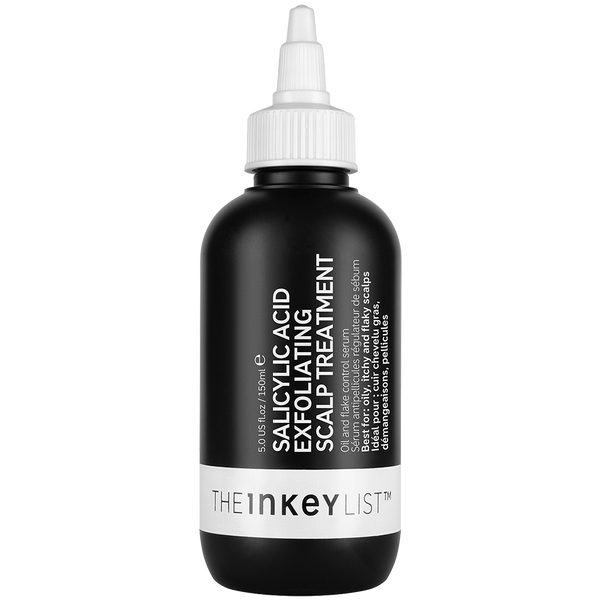
If you want one practical change to start with today, it is this: add a gentle pre-wash exfoliation step to clear trapped oil and residue so that washing works better. Our Salicylic Acid Exfoliating Scalp Treatment (£15) is a 2% BHA, oil-soluble treatment made for exactly this moment, and it is the single most relevant product for oily scalp management. We will come back to how and why it helps later. For now, let us start where all good scalp care starts: understanding what an oily scalp actually is, because managing oil begins with knowing what you are managing.
What Is an Oily Scalp?
Before you can manage anything, it helps to have a clear mental model of what is going on up there. So here is the most useful reframe we can offer: your scalp is skin. It is not a separate, mysterious surface hidden under your hair. It is skin, with the same oil-producing glands as the rest of your face and body, just packed in more densely. Those glands are called sebaceous glands, and they sit alongside your hair follicles. According to the British Association of Dermatologists, the skin across the body shares the same basic machinery, and the scalp is simply one of its oiliest neighbourhoods.
The oil those glands make is called sebum. In plain terms, sebum is the natural, slightly waxy substance your skin produces to protect and condition itself. On the scalp, sebum helps keep the skin comfortable and coats the hair as it grows, which is part of why your lengths can look glossy and your roots can look greasy from the very same source. Sebum is useful. It is a feature, not a bug. A scalp with zero oil would be a tight, uncomfortable, unhappy scalp. So when we talk about managing an oily scalp, we are talking about dialling the volume down to comfortable, not switching it off.
So when does normal become a concern? A few honest signposts:
- Your roots look flat or greasy within a day of washing.
- Your hair feels heavy, limp, or quick to separate into stringy sections.
- You notice more build-up, a filmy residue, or persistent itch at the roots.
If a couple of those ring true, you likely have what most people call a greasy scalp or greasy roots. Those are the everyday terms people type into search bars, and they describe the same thing a dermatologist would call excess sebum production at the scalp. There is no shame in it and no single personality flaw behind it. It is largely down to how your glands are wired, plus a handful of habits that can nudge oil higher.
It is worth keeping the language simple here, because scalp care gets needlessly intimidating when it is buried in jargon. Sebum is just oil. Sebaceous glands are just the tiny glands that make it. Build-up is just the mix of oil, sweat, dead skin, and product residue that can gather at the root over time. Once you hold those three ideas in your head, the rest of this article clicks into place. Having defined what an oily scalp is, let us move into the part you really came for - the real drivers behind why your scalp makes so much oil in the first place.
What Causes an Oily Scalp?
This is the heart of the matter. An oily scalp is almost never the result of a single cause, which is why generic advice so often fails. It is usually a combination of how your glands are set to behave and a few habits sitting on top. Understanding your own mix of triggers is the fastest route to managing them. There are four big drivers worth knowing, so let us take each in turn.
Hormones and genetics
The biggest factor behind how much oil your scalp makes is not something you did - it is something you inherited. Oil production is largely governed by hormones and by the inherited activity of your sebaceous glands. If your parents had oily skin and greasy roots, there is a reasonable chance you will too. On top of that genetic baseline, hormonal shifts turn the dial up and down throughout life. Puberty is the classic surge, which is why teenagers so often battle oily skin and hair at once. Your menstrual cycle can nudge oil production across the month, and stress hormones can push it higher too.
The honest framing here is important: you cannot change your genes, and you should not try to wage war on your own biology. What you can do is manage the result. Think of your genetic baseline as the weather and your routine as the umbrella. You do not control the rain, but you absolutely control how dry you stay.
Over-washing and the oil rebound trap
Here is one of the most common self-inflicted causes, and the one that surprises people most.
If you strip your scalp with harsh or too-frequent washing, it can feel like your scalp responds by making oil faster. Reaching for a stronger clarifying shampoo every single day can quietly make greasy roots worse, not better.
This is the rebound idea in plain terms. When you repeatedly over-cleanse, you remove the comfortable layer of oil your scalp expects to have. Your scalp, which simply wants to stay protected, can feel like it is overcompensating, so roots tip back toward greasy quickly. This ties directly into the frustration behind “why is my scalp so oily so fast.” The instinct to wash more is understandable, but it can trap you in a cycle: wash, strip, rebound, repeat. Breaking that cycle is one of the most effective oily scalp treatment moves there is, and it costs nothing.
Product, heat and daily habits
Your daily routine leaves a footprint on your scalp. Heavy styling products, silicone-rich conditioners, and dry shampoo can all leave residue that gathers at the root. Constantly touching or running your hands through your hair transfers oil from your fingers. Tight hats and headbands can trap heat and oil against the scalp. Heat styling adds another layer of residue and can make everything feel heavier faster. None of these cause your glands to produce more oil exactly, but they trap and concentrate what is already there, which is why roots can look greasier than the actual oil output alone would suggest. This is the territory of scalp build-up, and because it deserves its own proper explanation, we cover it in detail in our guide to scalp build-up.
Diet, stress and environment
People often ask whether stress can cause an oily scalp, and the honest answer is a measured yes-ish. Stress hormones can influence oil production, so a particularly stressful stretch may coincide with greasier roots. It is rarely the whole story, but it is a real thread. Environment plays a part too: humidity, heat, and seasonal changes can all make a scalp feel oilier, which is why many people notice the difference most in summer. Diet is frequently blamed, though the evidence is far softer than internet wisdom suggests, so we would keep any claims there modest and non-medical.
One more distinction worth drawing: everyday oiliness is not the same as a skin condition. If you are dealing with greasy, yellowish scaling, persistent redness, or soreness, that can point toward something like seborrhoeic dermatitis rather than simple oiliness. The British Association of Dermatologists has clear patient guidance on this, and it is worth a read if your symptoms feel like more than cosmetic grease. We will return to the professional-help signposts near the end. For now, one cause deserves its own answer because it is the single most searched oily scalp frustration of all.
Why Is My Scalp So Oily So Fast After Washing?
You wash your hair, it looks great for an evening, and by the next morning your roots are already greasy again. If that is you, you are not doing anything obviously wrong, and you are certainly not alone. This is one of the most common scalp complaints there is, and it usually comes down to two culprits working together.
The first is over-stripping, which we met in the rebound section above. When you cleanse too harshly or too often, your scalp loses the comfortable oil layer it expects, and roots can tip back toward greasy quickly. The second culprit is residue. If build-up - old oil, dead skin, product film - was never fully cleared in the first place, your roots can look and feel greasy again almost immediately, because the grease was partly still there under the surface of a quick wash. In other words, sometimes it is not that your scalp made new oil overnight; it is that the previous wash did not fully reset the surface.
This is why “squeaky clean” is a misleading goal. A scalp scrubbed to the point of tightness is a scalp primed to rebound. A balanced scalp, cleared of trapped residue but not stripped, actually holds its freshness for longer. The aim is a clean slate, not a scoured one.
So what is the practical fix? This is where a gentle pre-wash exfoliation step earns its keep. Used before you shampoo, an oil-soluble exfoliant can help loosen and clear the trapped oil and residue sitting around your roots, so that when you do wash, your shampoo works on a genuinely clearer surface. Our Salicylic Acid Exfoliating Scalp Treatment (£15) is built for this: salicylic acid is oil-soluble, which means it can get into oil-rich areas to help clear them, rather than just sitting on top. The actual technique - how to section, apply, and time it - lives in our dedicated guide on how to exfoliate your scalp, so we will not repeat the whole method here.
The reassuring takeaway is this: feeling oily a day after washing is common and usually manageable with small routine tweaks, not harsher products. More stripping tends to make the problem louder. Smarter clearing tends to make it quieter. Before you change anything though, it is worth confirming that an oily scalp is actually what you are dealing with, because a few other things can masquerade as grease.
How to Tell If You Have an Oily Scalp or Something Else
It is surprisingly easy to misread your own scalp, and mis-treating it can make things worse. A dry, tight scalp treated as though it were oily, or an oily scalp treated as though it were dry, is a recipe for frustration. So here is a simple self-check you can do at home without any special kit.
Start by assessing your roots roughly a day after washing. Then run through three quick questions:
- Grease versus tightness. Press a clean fingertip to your scalp at the roots. Does it come away with a faint oily sheen, or does your scalp feel tight, flaky, and parched? Oiliness and dryness feel genuinely different once you pay attention.
- Flake type. If you have flakes, look closely. Are they large, dry, and powdery, or smaller, oilier, and slightly yellowish? Dry flaking and oil-related flaking are not the same thing.
- Overall weight. Does your hair feel heavy and quick to go limp, or light but dull and rough?
A common mix-up is worth naming directly: an oily scalp can still flake, which trips people up constantly. People often ask whether an oily scalp can cause dandruff, and at a high level the short answer is that oiliness and flaking can absolutely coexist, and the two conditions are frequently confused. Because this deserves a proper, careful explanation rather than a rushed paragraph, we cover the full comparison in our guide to dandruff or dry scalp.
One important caveat: if you notice persistent redness, soreness, or heavy scaling that does not settle, that may point to a skin condition rather than simple oiliness, and it is worth getting that assessed rather than self-treating indefinitely. We will cover exactly when to seek help shortly. If you want the full picture across every scalp concern in one place, our scalp health hub is the best starting point. Once you are confident you are dealing with an oily scalp, there is one worry that comes up more than any other, and it deserves an honest answer.
Can an Oily Scalp Cause Hair Loss?
This is the anxious question lurking behind a lot of oily-scalp searches, so let us answer it honestly rather than selling you a worry. The straightforward, measured answer is this: oil itself is not a proven direct cause of hair loss. You are not going to lose your hair simply because your roots get greasy quickly.
That said, there is a sensible nuance. A scalp that is congested, heavy with build-up, or persistently irritated is not the most comfortable environment for hair, and a happy, clear, balanced scalp is a nicer foundation for healthy-looking hair than a clogged and inflamed one. The key is to separate correlation from causation. If someone has both an oily, build-up-heavy scalp and some thinning, it does not follow that one caused the other; they may simply be happening at the same time, or share an underlying factor. The British Skin Foundation and dermatology bodies are the right places to turn for the actual medical causes of hair loss, which are varied and best assessed by a professional rather than guessed at online.
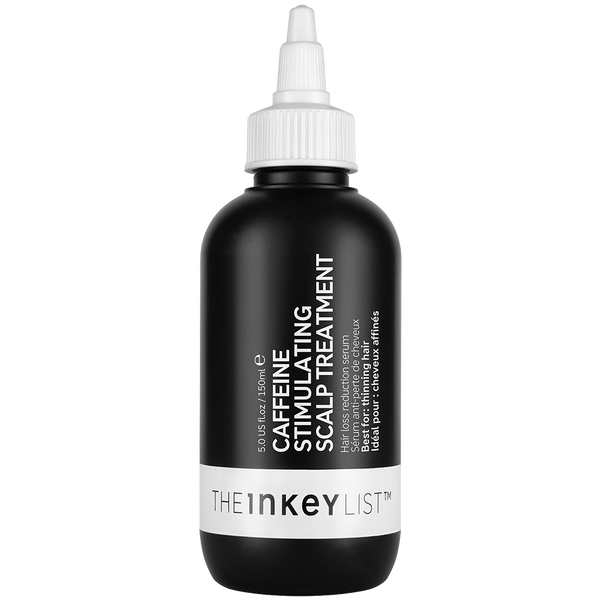
So what is the practical, honest takeaway? Keeping your scalp clean, balanced, and clear of build-up supports a healthier-looking scalp environment. That is a cosmetic benefit, and a real one. For ongoing scalp upkeep, some people like to add a maintenance step such as our Caffeine Stimulating Scalp Treatment (£15), used simply to support a fresh, comfortable scalp - not as a hair-loss cure, because it is not one, and we would never claim otherwise.
If thinning is a genuine, ongoing concern for you, the right move is not a bottle from any brand. It is a conversation with a professional who can assess what is actually happening. We will set out exactly when that conversation is worth having a little further down. With the biggest myth cleared up, let us get into the practical part you have been waiting for: how to actually manage an oily scalp.
How to Manage an Oily Scalp
Here is the payoff. Managing an oily scalp does not require a cupboard full of products or an hour-long ritual. It requires a few smart, repeatable habits that work with your scalp rather than against it. Think of this as a simple framework with four levers you can adjust. Lead with method; the products are supporting cast.
Get your wash frequency right
The first lever is frequency, and it is the one most people get wrong in both directions. Wash too often with harsh cleansers and you risk the rebound trap. Leave it too long and build-up gathers, roots turn greasy, and flaking can creep in. The sweet spot is personal, so experiment. Many people with oily scalps do well washing every other day or every few days with a gentle, non-stripping cleanser, rather than reaching for the strongest clarifying formula daily. The aim is roots that stay fresh without a scalp that feels stripped and tight afterwards. Gentle and consistent beats harsh and frequent almost every time.
Add a pre-wash exfoliation step
This is the central recommendation of the whole article, so give it pride of place in your routine. A pre-wash exfoliation step helps clear the trapped oil and residue that make roots look greasy again fast, so your subsequent wash works on a cleaner surface and your hair stays fresher for longer.
Our Salicylic Acid Exfoliating Scalp Treatment (£15) is the hero here. It uses 2% salicylic acid, which is oil-soluble, meaning it can get into oil-rich spots around the root to help clear them rather than simply resting on the surface. If you want to understand the ingredient in more depth, we break it down in our piece on salicylic acid for scalp, and the step-by-step application lives in how to exfoliate your scalp.
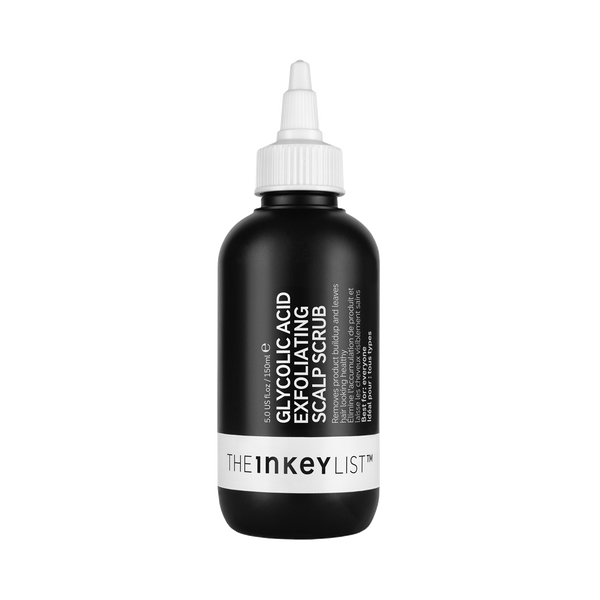
As a secondary option, our Glycolic Acid Exfoliating Scalp Scrub (£14) targets residue and dull-looking roots with a slightly different mechanism. The one rule: use your two exfoliants on different days rather than stacking them, so you clear effectively without over-exfoliating a scalp that only needs balance.
Go easy on dry shampoo and heavy products
The third lever is restraint. Dry shampoo is a brilliant tool, but it is a bridge, not a replacement for washing, and layering it day after day can build up and make roots look greasier faster once it saturates. The same goes for heavy waxes, serums, and silicone-rich stylers. Use them sparingly, keep them off the roots where you can, and make sure your routine clears them regularly rather than letting them accumulate.
Keep the scalp balanced between washes
The final lever is simply leaving your scalp alone a little more. Constant touching transfers oil, and fussing with greasy roots tends to spread the problem. Handle hair gently, resist the urge to check and re-check, and let your scalp settle into its rhythm. For general upkeep between washes, some people like our Caffeine Stimulating Scalp Treatment (£15) as a light maintenance step for overall scalp comfort.
If you would like to see the full range in one place to build a simple routine, you can browse our scalp treatments. The honest headline is that routine tweaks solve the vast majority of oily scalp cases. But not all of them - so it is important to know where the DIY line sits and when to call in expert help.
When to See a Professional
Cosmetic scalp care can do a great deal, but it has limits, and recognising them is part of caring for yourself properly. There are a few red flags that suggest your scalp needs a trained eye rather than another product.
Consider seeing a professional if you notice:
- Persistent itch, soreness, or burning that does not settle.
- Heavy, greasy scaling, or scaling that keeps returning.
- Redness or inflammation that will not calm down.
- Sudden, noticeable thinning or changes in your hair.
- Oiliness that simply does not respond to sensible routine changes.
Any of these is a good reason to book in with your GP, who can properly assess whether something like seborrhoeic dermatitis or another skin condition is at play. The British Association of Dermatologists and the NHS both offer trustworthy, non-alarmist guidance on next steps. To be completely clear: cosmetic scalp care supports a healthy-looking scalp, but it does not replace medical advice, and we would always rather you got the right assessment than kept guessing. With that boundary set, let us pull the threads together.
The Takeaway
Here is the whole article in a handful of lines. Some scalp oil is normal and healthy, so the goal is balance, never stripping. The biggest levers you can pull are getting your wash frequency right, adding a gentle pre-wash exfoliation step, and going easy on build-up-heavy products like dry shampoo. On the worry that brought many people here: an oily scalp is not a proven direct cause of hair loss, though keeping your scalp clear and balanced gives your hair a more comfortable home.
If you take one action today, make it this - try a pre-wash exfoliation step with our Salicylic Acid Exfoliating Scalp Treatment, and explore the scalp health hub when you want to go deeper. Clear guidance, proven ingredients, real results: that is the whole idea.
Ready to Rebalance Your Scalp?
You now know what an oily scalp is, why it behaves the way it does, and how to manage it without declaring war on your own skin. The simplest next step is a gentle pre-wash exfoliation step: try our Salicylic Acid Exfoliating Scalp Treatment (£15) before your usual wash and give your scalp a genuinely clear slate to start from.
When you are ready to build out a full routine, explore the scalp health hub for the complete picture, or browse our scalp treatments to find what fits your scalp. No hype, no overpromising - just clear guidance and ingredients that do what they say. Because we give a care.
Frequently Asked Questions
Got a question?
Our askINKEY team are a friendly bunch of skincare experts with deep product knowledge and zero judgement. Whether you're an ingredient obsessive or just starting out, we'll make it make sense. No question too big. No question too small. We Give A Care, Every Day.


