



Menopause and Your Skin: Why It Changes and How to Support a Stronger Barrier
Dry, sensitive, less resilient skin? Here's why menopause changes your skin - and how to support a stronger barrier.
Author
askINKEY skincare advisor
Published
03 October, 2026
Time to read
10 minutes
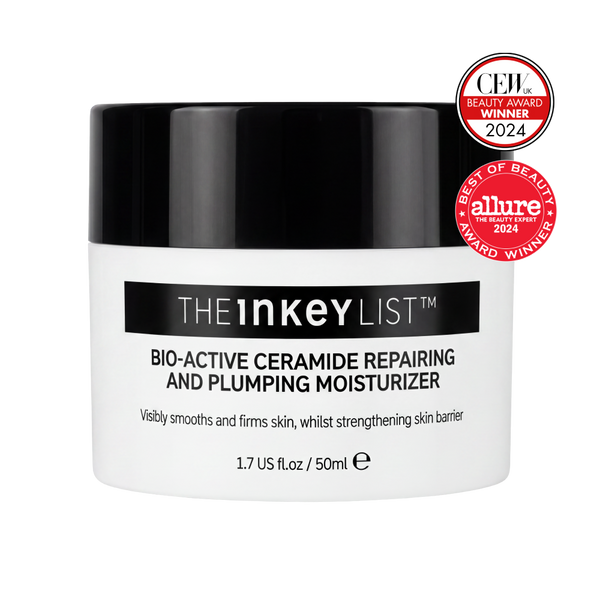
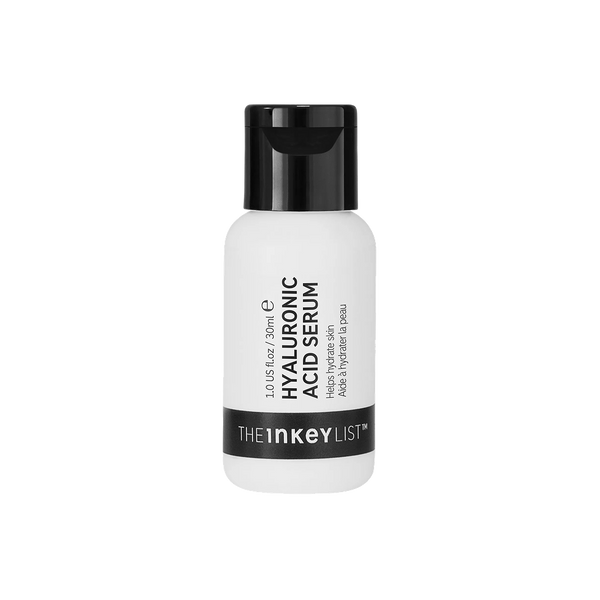
Menopause changes your skin, and one of the most common and most noticeable changes is menopause dry skin. If your face suddenly feels tight, rough or more easily irritated, you are not imagining it, and you are certainly not alone. This article covers three things in plain English: why menopause changes your skin, what happens to your skin barrier, and a simple routine to support and strengthen it. The short version is that falling oestrogen leads to less moisture, fewer barrier lipids and thinner, less resilient skin. The good news is that it is normal and manageable with the right, straightforward steps, starting with immediate hydration from our Hyaluronic Acid Serum and daily barrier support from our Bio-Active Ceramide Moisturiser. If you want the bigger picture, our guide on how to support a damaged skin barrier connects all of this together. Let us start with what is actually happening to skin during menopause.
What happens to your skin during menopause?
Menopause is the point when periods have stopped for twelve months, and it is driven by declining oestrogen. That single hormonal shift is behind a surprising number of the changes you see and feel in the mirror, because oestrogen is quietly involved in a lot of what keeps skin looking and behaving well. It supports collagen, which gives skin its structure and bounce. It helps maintain skin thickness. It plays a role in oil production, which is part of how skin stays soft and protected. And it influences the skin’s ability to hold onto water. When oestrogen falls, all of those jobs become harder to do, so skin starts to behave differently from how it did for most of your life.
That is why the experience can feel so sudden and so sweeping. It is not one isolated issue; it is several connected changes happening at once because they all trace back to the same hormonal driver. Understanding this makes the whole thing less confusing, because instead of chasing five separate problems, you can see them as different expressions of a single underlying shift.
At a high level, here are the headline menopause skin changes most people notice:
- Increased dryness, with skin that feels tight, rough or flaky.
- More sensitivity, where products that were once fine now sting or redden.
- Itchiness, which can appear even when there is no obvious rash.
- A loss of glow, so skin looks more tired and less radiant.
- A loss of firmness, most visible around the neck, jaw and under the eyes.
We will unpack each of these in more detail later, because recognising exactly what is happening is the first step to supporting it properly.
It is worth saying clearly that these are recognised, common symptoms rather than something you have brought on yourself. The NHS lists skin changes, including dry and itchy skin, as menopause symptoms, and the British Skin Foundation on the impact of the menopause on your skin gives a credible overview of why it happens. These are reliable, expert sources, and they confirm what so many people quietly experience.
Dry and itchy skin during menopause are recognised symptoms, not something you are imagining.
The firmness change deserves a special mention here because it has real stakes. Collagen does not drift away slowly and evenly over a lifetime; around menopause, the decline accelerates noticeably. We will put a number on that shortly, because it helps explain why the neck, jaw and eye area can seem to change faster than you expected. For now, the big picture is enough: oestrogen falls, skin loses some of its support, and dryness, sensitivity, itchiness, dullness and softness in structure all follow. With that overview in place, let us narrow in on the single most asked question, which is why skin gets so dry.
Why does menopause cause dry skin?
Yes, menopause can cause dry skin, and the reason is beautifully simple once you know it. Falling oestrogen reduces the skin’s natural oils, its ceramides and its ability to hold onto water, so skin that used to stay comfortable now feels parched. This is the heart of menopause dry skin, and it is a hormonal change rather than a personal failing or a sign you are doing something wrong.
To understand why it feels so persistent, it helps to know a term called transepidermal water loss, or TEWL. In plain English, your skin is constantly losing a small amount of water to the air, and a healthy barrier slows that loss down so skin stays hydrated. The barrier does this using lipids, including ceramides, that act like a seal. When oestrogen drops, your skin makes fewer of those lipids, so the seal becomes leakier. Water escapes more easily, and the result is skin that feels tight, rough and dry no matter how much water you drink. Research shows declining estrogen contributes to transepidermal water loss and a weakened skin barrier, which is exactly the mechanism at work here.
In plain English: fewer barrier lipids mean more water escaping, which means drier, tighter, more fragile skin.
This also explains the itching that so often comes along for the ride. A drier, weaker barrier is more easily irritated, and irritated skin is itchy skin. It is also why menopause sensitive skin becomes such a common complaint; when the barrier is not sealing properly, things that never used to bother you, from a change in weather to a familiar product, can suddenly cause stinging or redness. This is the skin barrier menopause connection in a nutshell, and understanding it takes a lot of the frustration out of the experience.
One of the most surprising parts for many people is that this dryness can show up even if your skin was oily or perfectly balanced for most of your life. Because the change is hormonal rather than down to your skin type, it does not care how your skin behaved in your twenties and thirties. If you spent years blotting away shine, it can be genuinely disorienting to suddenly feel flaky and tight. That is normal, and it points to the solution, which is to support the barrier directly rather than to treat your skin as if it is still the type it used to be. If you want to understand the foundation here, learn more about what a damaged skin barrier is. Now that we know why skin dries out, let us look briefly at the barrier itself.
What is the skin barrier and why does it weaken?
The skin barrier is the outermost layer of your skin, and its job is wonderfully practical: it keeps moisture in and keeps irritants out. The easiest way to picture it is as a brick wall. The bricks are your skin cells, and the mortar holding them together is made of lipids, including ceramides. When the mortar is thick and intact, the wall holds water in and blocks irritation. When the mortar thins out, the wall becomes leaky and fragile, and that is when dryness, sensitivity and itching creep in.
Menopause weakens this wall because lower oestrogen means your skin produces fewer ceramides and lipids, skin itself becomes thinner, and water escapes more quickly. In other words, the mortar between the bricks thins out exactly when you need it most. This is why so much of good skincare for menopausal skin comes back to one idea: replacing what the barrier is losing and giving it the materials to hold itself together again.
Think of your skin barrier as a brick wall, where skin cells are the bricks and ceramides are the mortar. Menopause thins the mortar.
We are keeping this section short on purpose, because the barrier is a big topic and deserves a proper deep dive rather than a rushed summary. The most important thing to take away is this: a weakened barrier can be supported and strengthened with consistent, gentle care. It is not a permanent state of disrepair, and you do not need an aggressive, complicated regimen to help it. Knowing how to strengthen skin barrier health comes down to a few simple, repeatable habits, which we will walk through shortly.
If you want the full picture, including how the barrier works in more detail and how to repair it when it is struggling, read our full guide on the damaged skin barrier. For those who like the science, there is also menopause and skin barrier function research that explores the connection in depth. With the concept clear, let us look at the specific day-to-day changes you will actually recognise in the mirror.
5 common menopausal skin changes
Naming what you are experiencing is genuinely helpful, because it turns a vague sense that something is off into a clear, manageable list. Here are the five most common menopausal skin changes, each tied to the same underlying science, so you can match what you see to what is actually happening.
1. Dryness. This is usually the first thing people notice. Skin feels tight after cleansing, looks rough in certain lights, and can flake around the nose, cheeks or anywhere that used to stay comfortable. It happens because the skin’s water-holding ability drops as barrier lipids decline. If your usual moisturiser suddenly feels like it is not enough, dryness is often the reason.
2. Sensitivity. Menopause sensitive skin reacts more easily than it used to. A product you have used happily for years might start to sting, or your skin might flush and redden for no obvious reason. This is the weakened barrier letting irritants through more easily, so skin is quicker to complain. The answer is rarely a stronger product; it is usually a gentler, more supportive one.
3. Itchiness. A drier, thinner barrier is more easily irritated, and that irritation often shows up as itch. It can appear without any visible rash, which makes it feel mysterious, but it is a very common and understandable part of menopausal skin. Reassuringly, supporting the barrier tends to calm the itch at its source rather than just masking it.
4. Dullness and loss of glow. As skin cell turnover slows, fresh cells reach the surface more slowly, and the result is skin that looks tired and less radiant. The glow you associate with healthy skin is partly about how light reflects off a smooth, well-hydrated surface, so when hydration drops and texture roughens, radiance fades too. Supporting hydration and gentle renewal is how you bring that light back.
5. Loss of firmness. This is the change that tends to worry people most, and it shows up most clearly on the neck, along the jaw and under the eyes, where skin is naturally thinner. You may notice crepiness, softening and fine lines appearing more quickly than before. The reason is collagen decline, and the pace is steeper than many expect. A dermatology review notes skin collagen declines about 2.1% per postmenopausal year, with especially noticeable loss in the first few years, and the British Skin Foundation on menopause and skin reinforces how significant this shift can be.
Skin collagen can fall by around 2.1% per year in the years following menopause, with the sharpest loss early on.
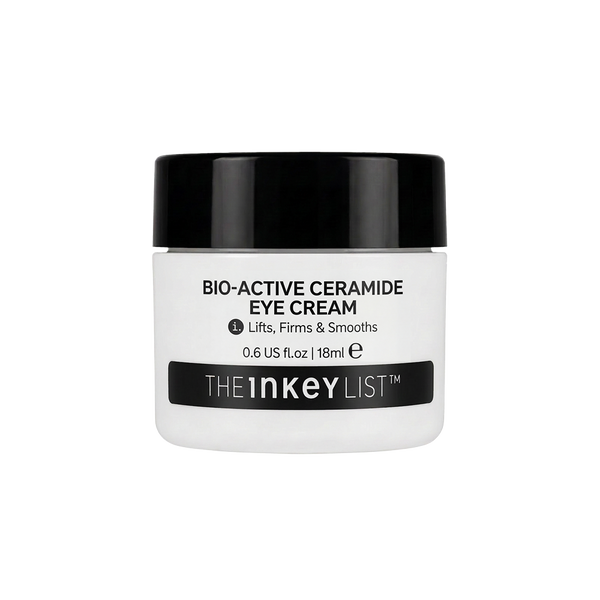
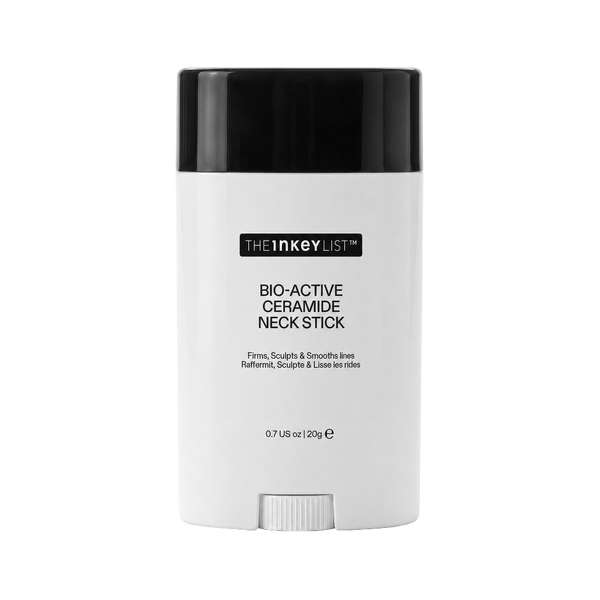
For the thinner-skinned zones where firmness shows first, a little targeted care goes a long way. Our Bio-Active Ceramide Neck Stick is designed for the neck and jaw, while our Bio-Active Ceramide Eye Cream is formulated for under-eye dryness and fine lines. We will keep products light here, because the next section covers the full routine. Having identified the changes, let us move to the practical, do-this routine that supports them.
How to support a stronger barrier during menopause
This is the part you can actually act on today. If you have been wondering how do I get rid of menopausal dry skin, the honest answer is that you support and strengthen the barrier so it holds water and calms down, and you do it consistently. The whole routine comes down to four simple pillars: cleanse gently, hydrate, strengthen, protect. You do not need a shelf of products. You need the right few, used well.
Step 1: Cleanse gently. The fastest way to make menopausal dry skin worse is to strip it, so avoid harsh, high-foaming cleansers that leave skin feeling squeaky and tight. That squeaky feeling is not cleanliness; it is your barrier being disrupted. Choose a soft, non-stripping cleanser, take around sixty seconds to cleanse so it actually works, and rinse with lukewarm rather than hot water. The goal is clean, comfortable skin, never tight skin. Everything that follows works better when you start here.
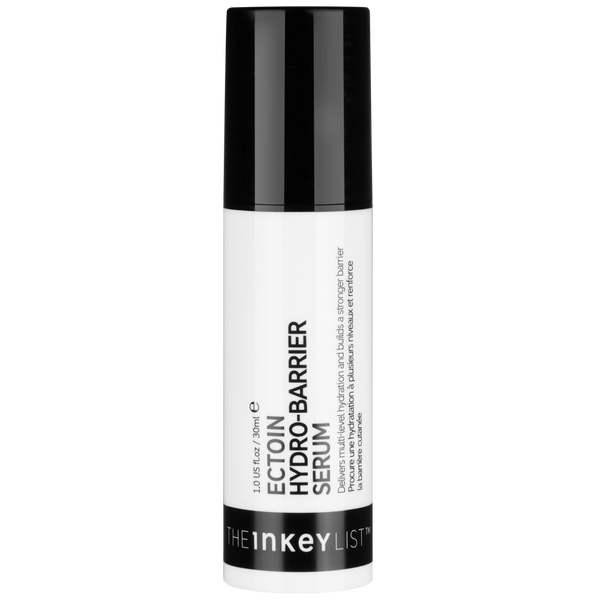
Step 2: Hydrate. Now you give skin water to hold onto. Apply a humectant serum to slightly damp skin so it can draw in moisture and lock it at the surface. Our Hyaluronic Acid Serum (£12) delivers immediate, multi-level hydration and is a brilliant first layer for thirsty skin. If you want hydration plus extra barrier support in one step, our Ectoin Hydro-Barrier Serum (£16) hydrates while helping shield the barrier against daily stressors, which suits drier and more reactive menopausal skin especially well.
Step 3: Strengthen. This is where you replace what menopausal skin is losing. Seal everything in with a ceramide moisturiser that puts barrier lipids back where they belong. Our Bio-Active Ceramide Moisturiser (£20) is built for exactly this, helping to rebuild the mortar in that brick wall so skin holds moisture and feels calmer. For the thin-skinned zones that show change first, add targeted barrier care: our Bio-Active Ceramide Neck Stick (£15) for the neck and jaw, and our Bio-Active Ceramide Eye Cream (£15) for under-eye dryness and fine lines. Together these cover the places where firmness and dryness are most visible.
Step 4: Protect. Daily sun protection matters more than ever during menopause. UV exposure accelerates collagen loss and adds stress to an already more fragile barrier, so wearing a daily broad-spectrum SPF every morning, even on cloudy days, is one of the most protective habits you can build. Think of it as guarding the work your other steps are doing, so the collagen you still have is not broken down any faster than it needs to be.
A quick word on what to avoid, because menopausal skin is more reactive than it used to be. Go easy on exfoliation, since over-exfoliating thins and irritates an already delicate barrier. Skip very hot water, which strips lipids fast. And resist the urge to layer on several strong actives at once, because more is not better when skin is sensitised; it often just causes stinging and setbacks. Gentle and consistent beats aggressive and sporadic every single time.
If you want to anchor all of this in the bigger picture, our guide on how to support a healthier skin barrier ties the routine to the science. Now that you know what to do, let us look at the ingredients that make these steps work, for anyone who likes to understand the why.
Ingredients that help menopausal skin
Good skincare for menopausal skin is not about chasing trends; it is about choosing ingredients that do specific, useful jobs for a barrier that is losing support. Here, in plain English, is what each key ingredient does and why it suits menopausal skin.
Ceramides. These are the lipids that make up a large part of your barrier’s mortar, and they are exactly what skin loses as oestrogen falls. Adding them back helps lock in moisture and strengthen the wall so water stays where it should. This is the thinking behind our Bio-Active Ceramide range, which is designed to replace what the barrier is missing and keep skin feeling comfortable rather than tight.
Ceramides are the mortar in your skin’s brick wall, and replacing them helps the barrier hold water and calm down.
Ectoin. This clever ingredient hydrates while also helping to strengthen and protect the barrier against environmental stressors. For drier, more reactive menopausal skin, that dual action is genuinely useful, because it supports comfort today while helping skin cope with daily challenges like pollution and temperature changes.
Hyaluronic acid. A humectant superstar, hyaluronic acid draws water into the skin and holds it across multiple layers, giving an immediate plumping and smoothing effect. It works best applied to damp skin, where it has water to grab, and it pairs perfectly with a ceramide moisturiser on top to seal that hydration in.
Peptides. As collagen naturally declines, peptides help support the look of firmness and smoothness over time. You will find peptides woven through several of our formulas, including within the ceramide range and the eye cream, where they support firmer, smoother-looking skin in the areas that tend to show change first.
If dullness is your main frustration and you want a glow angle, exosome skincare can help improve the look of skin and support a glowing, healthy-looking complexion on tired, lacklustre menopausal skin. Our Exosome Glow Serum (£20) is worth a look if radiance is your priority, used alongside the hydration and barrier steps above.
For more on how ceramides and the barrier work together, our resource on strengthening your skin barrier goes deeper. With the ingredients clear, the natural next question is how soon all of this actually works.
How long does it take to see a difference?
Here is the honest answer, because overpromising helps no one: hydration can feel better almost immediately, while barrier strength and visible firmness take longer and depend on consistent use. You will likely notice comfort first and structure last, and that order is completely normal.
In plain terms, here is a realistic timeline:
- Immediately: humectants like hyaluronic acid can make skin feel plumper and more comfortable from the very first application.
- A few weeks: with consistent daily use of gentle cleansing, hydration and ceramides, the barrier tends to feel calmer, less tight and less reactive.
- Longer term: changes in texture, crepiness and the look of firmness develop gradually over months, in step with ongoing, patient care.
It is worth being clear about one thing that often surprises people. Menopausal dry skin tends to be ongoing, because the hormonal driver behind it is ongoing. This is not a flaw in your routine; it simply means the goal is continuous support rather than a one-time fix. Think of it like hydration and barrier care becoming a steady habit, the same way you would not expect to brush your teeth once and be done.
That is also why consistency and gentleness beat piling on strong actives. A simple routine you actually keep up with will do far more for your skin than an elaborate one you abandon after a week of stinging. The British Skin Foundation on the impact of the menopause on your skin reinforces that these changes are hormone-driven and ongoing, and you can keep supporting your barrier over time with the same gentle principles. For anyone who wants to go deeper, let us point you to some related reading before the FAQs.
Further reading
If you want to go deeper, these guides cover adjacent topics without repeating what you have just read.
- Perimenopause and your skin covers the earlier stage and the early signs to look out for before menopause itself.
- Is bakuchiol good for menopausal skin? explores the gentle, retinol-alternative ingredient and where it fits for sensitive skin.
- The damaged skin barrier pillar guide is the central home base for everything barrier-related, from causes to repair.
Conclusion
Menopause changes skin mainly by weakening the barrier, and that single shift is why dryness, sensitivity, itchiness, dullness and a loss of firmness all tend to appear around the same time. None of it is a sign you are doing something wrong, and all of it responds to care. A simple, consistent routine of cleansing gently, hydrating, strengthening with ceramides and protecting daily is genuinely enough to support a stronger barrier and more comfortable skin. That is the whole INKEY approach in a sentence: science-backed, clearly explained ingredients that work, at honest prices, with no hype. If you want to keep learning, explore our full damaged skin barrier guide.
If you are ready to start, build your barrier-support routine around hydration and ceramides with our Bio-Active Ceramide Moisturiser (£20) and our Hyaluronic Acid Serum (£12), or learn more first in our damaged skin barrier guide.
Frequently Asked Questions
Got a question?
Our askINKEY team are a friendly bunch of skincare experts with deep product knowledge and zero judgement. Whether you're an ingredient obsessive or just starting out, we'll make it make sense. No question too big. No question too small. We Give A Care, Every Day.


