


Lip Balm vs Lip Oil: What's the Difference?
Lip balm or lip oil? Learn how they differ, which suits dry or chapped lips, and how to choose the right one for you.
Author
askINKEY skincare advisor
Published
27 October, 2026
Time to read
16 minutes
If you have ever stood in front of a shelf wondering about lip balm vs lip oil and which one your lips actually need, you are in exactly the right place. The two products look like they do the same thing, they sit next to each other in your bag, and the marketing around both can blur the line between care and cosmetics. But a lip balm and a lip oil are not interchangeable. They have different textures, different finishes, and different jobs, and understanding that difference is the fastest way to stop guessing and start choosing well.
This article is a straightforward, unbiased guide to the whole lip balm vs lip oil question. We will explain what each product is, how they differ in texture and finish, which one works better for dry or chapped lips, whether you can layer them, whether they belong under lipstick, and how to decide which suits you. We will treat both fairly, because that is the only way this comparison is useful to you. For full transparency on where we stand: we make a clear, science-backed lip balm, and we will point to it where it is genuinely relevant. We do not make a standalone lip oil, so you will get an honest read on both.
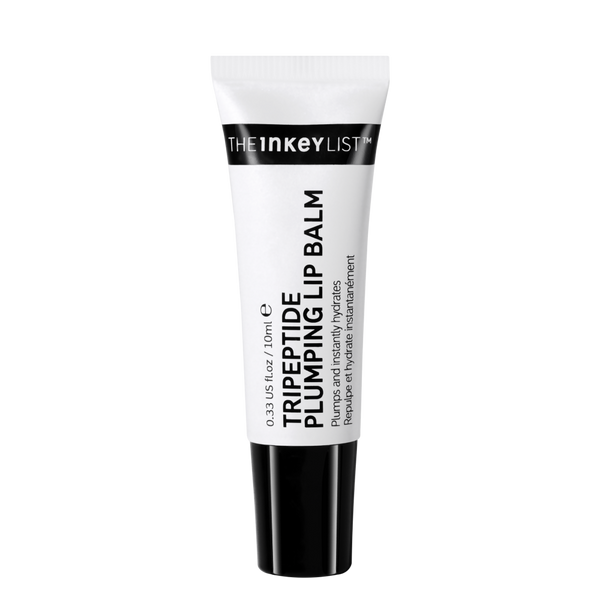
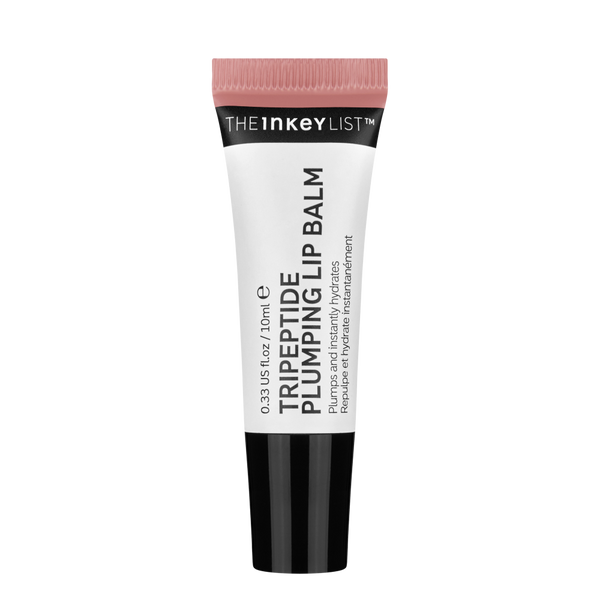
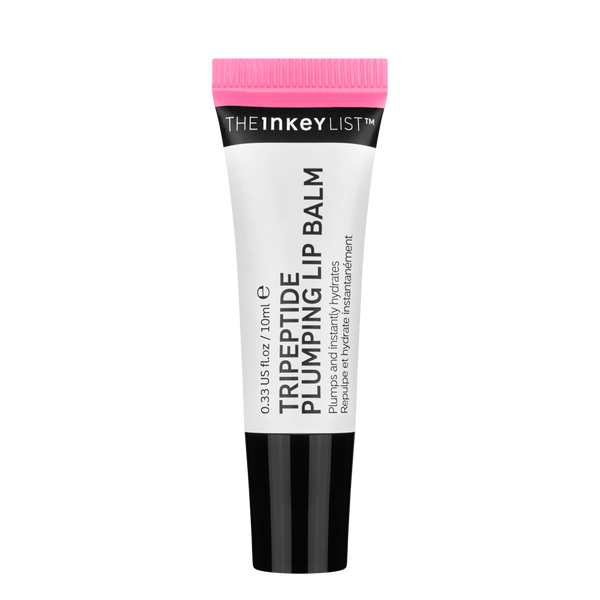
The balm we will reference throughout is our clear Tripeptide Plumping Lip Balm (£11), so when we say “our lip balm” later, that is the one we mean. If you would rather browse first, you can see the full range of lip treatments any time. Now, let’s get into it.
Before the deep dive, here is the short version for anyone who just wants the quick answer.
Lip balm vs lip oil at a glance
If you only read one section, read this one. In the simplest terms, a lip balm is usually a thicker, waxier product built to seal and protect, while a lip oil is a lighter, more fluid product built to soften and add a glossy sheen. That single sentence captures most of what separates them.
Both can leave your lips feeling more comfortable, and both can look good, but they get there in different ways and they leave a different finish behind. A balm forms a cushioned layer that stays put and shields. An oil glides on thin, sinks in a little, and gives that glassy shine so many people love. Neither is “better” in the abstract. They are simply built for different priorities.
Here is the practical lip oil vs lip balm takeaway most people care about:
- A lip balm tends to last longer on the lips and shield them more effectively against the daily loss of moisture.
- A lip oil tends to feel lighter and weightless, and it looks glossier, which is why many people reach for it as a care-plus-shine step.
- Both can soften your lips, but a balm’s protective layer generally does more of the heavy lifting when your lips are genuinely dry or chapped.
To make the rest of this guide easy to follow, we will use a simple three-part framework from here on: texture, finish, and the job each product does. “The job” is where it gets interesting, because it comes down to three categories of ingredient called humectants, emollients and occlusives. Don’t worry, we will explain those in plain English later, and once you understand them, the whole lip balm vs lip oil debate suddenly makes sense.
This comparison sits within our wider lip care hub, which is a good place to return to if you want to build a full routine rather than just pick one product. With the quick answer covered, let’s define each product properly, starting with the lip balm.
What is a lip balm?
A lip balm is a thicker, often wax or butter based product designed to coat the lips, lock in moisture, and shield them against the moisture they naturally lose every day. If you picture the classic swipe-and-go stick or pot that leaves a soft, cushioned layer behind, that is a balm doing its core job: forming a protective barrier on the surface of your lips.
To understand why that barrier matters, it helps to know a little about the skin on your lips, and we promise to keep the science simple. Lip skin is thin, delicate, and crucially, it has very few oil glands of its own. The rest of your face produces sebum that helps keep the surface conditioned and resistant to water loss. Your lips largely miss out on that. That is why they dry out faster than the skin around them, why they chap in cold wind, and why they feel tight long before your cheeks do. In practical terms, your lips are more exposed and less self-sufficient, so they benefit from a product that steps in to do the sealing their own skin cannot.
The process behind that drying has a name: transepidermal water loss, or TEWL. It simply describes water escaping from inside the skin out through the surface and into the air. On a well-protected area, that loss is slow. On thin, barely oiled lip skin, it happens quickly. If you want the full, friendly explanation of the mechanism, we broke it down in our own guide to what TEWL is. The short version is that a balm’s main value is slowing that escape so your lips stay comfortable for longer.
So what is a balm actually made of? In plain terms, most balms lean on butters and waxes. Butters soften and smooth, acting as emollients, while waxes and heavier butters form a seal on top, acting as occlusives. Many of the better formulas also add a humectant, which is an ingredient that pulls water in so there is something worth sealing. The finish is usually a natural sheen or soft gloss rather than a mirror-like high shine, with a more cushioned, substantial feel on the lips.
What a lip balm does
Here is the job list, stripped back to what matters:
- It seals in moisture so your lips hold on to hydration rather than losing it to the air.
- It softens flakes and smooths rough, dry patches.
- It creates a protective layer that buffers lips against cold, wind and everyday exposure.
- It helps lips feel comfortable for longer, because that barrier keeps working after you apply.
Some balms go a step beyond hydration, too. Our clear balm, for example, also supports lip volume over time thanks to peptides, without promising anything dramatic. That is a nice bonus rather than the main event, but it is worth knowing that a balm can multitask.
Who a lip balm suits
A balm is the natural pick if your lips are dry, chapped, flaky or exposed. It shines in cold or windy weather, and it suits anyone who wants comfort that lasts rather than a finish that fades. It is also well suited to sensitive lips, provided the formula itself is gentle and fragrance-free so there is nothing to irritate an already stressed surface.
That is the balm, defined fairly and fully. Now the lip oil deserves exactly the same clear, honest treatment.
What is a lip oil?
A lip oil is a lightweight, fluid, oil based product, usually applied with a doe-foot wand or a soft brush, designed to soften the lips and add a glossy, non-sticky shine. If a balm is the cushioned layer that sits and protects, a lip oil is the thin, slippery veil that conditions the surface and makes your lips catch the light. It feels weightless, it looks polished, and it has become one of the most popular lip products precisely because it blurs the line between skincare and makeup.
So what does a lip oil do, mechanically? It works almost entirely through emollients, which are the nourishing oils that smooth and condition the surface of the skin. Those oils fill in the tiny gaps between surface cells, which is why lips instantly feel softer and look more even and conditioned after you apply. The experience is lighter and more cosmetic than a balm. There is no waxy cushion and no heavy coat, just a fluid layer that sinks in a little and leaves shine behind.
Now for the honest part, because this is where a lot of confusion lives. People often search for lip oil for hydration, and it is a fair question. A lip oil can genuinely soften your lips and give them a temporarily conditioned, healthy-looking surface. What an oil does not do well is pull water into the skin. Oils are emollients, not humectants, so they smooth and coat, but they do not draw in moisture the way ingredients like hyaluronic acid or glycerin do. That is not a flaw, it is just the nature of the ingredient category. If your lips are truly thirsty, an oil alone is softening the surface rather than solving the underlying dryness.
The finish is where lip oils earn their fans. Expect a high-shine, glossy, almost glass-like look, and depending on the product, sometimes a subtle tint of colour too. That tint-and-shine quality is exactly why so many people treat a lip oil as a hybrid, half care and half makeup, worn for how it looks as much as how it feels.
What a lip oil does
The job list for a lip oil looks like this:
- It smooths and conditions the surface of the lips with nourishing oils.
- It adds a glossy, reflective shine that reads as healthy and polished.
- It delivers a lightweight, non-waxy feel that never sits heavy.
- It can leave a subtle tint, depending on whether the formula includes colour.
There is a limit worth stating plainly. Because a lip oil is so light, it tends to wear off faster than a balm, and it shields less against moisture loss. It is a conditioner and a shine step more than a protective barrier. That is the trade-off for the weightless feel.
Who a lip oil suits
A lip oil is ideal if you want a glossy finish, a barely-there weight on the lips, or a single step that combines a little care with a little shine for everyday wear. It also works nicely for mildly dry lips that mainly need softening rather than heavy-duty sealing. If your lips are comfortable most of the time and you just want them to look and feel a bit nicer, an oil can be a lovely daily habit.
You have probably noticed a theme forming around those words emollient, occlusive and humectant. They are the real key to this whole comparison, so let’s break them down properly next.
The key differences: texture, finish, and the job they do
This is the section that makes the lip balm vs lip oil question finally click. Once you understand the three jobs an ingredient can do, you can look at almost any lip product and predict how it will behave. We will take it one layer at a time: texture, finish, then the job.
Texture is the most obvious difference and the one you feel first. A balm is thicker, waxier and more cushioned. It has substance, so it stays where you put it and you can feel it working as a layer on top of your lips. A lip oil is thinner, fluid and weightless. It glides on and then more or less disappears into a sheen. That difference changes how each one wears through the day. The balm’s body is what lets it last and protect, while the oil’s lightness is what makes it feel like nothing and refresh easily, but also means it does not hang around as long.
Finish is the second difference, and it is almost entirely a matter of taste. A balm gives a soft, natural sheen and a protective cushion, the kind of healthy-looking finish that does not shout. A lip oil gives a higher, glassier gloss, the look people reach for when they want their lips to shine. Here is the important bit: finish preference is personal, not a marker of quality. A glossier result does not mean a better product, and a soft sheen does not mean a lesser one. They are simply different aesthetics, and the right one is whichever you prefer to see in the mirror.
The job is where the real difference lives, and it comes down to three ingredient categories. Here they are in plain English:
- Humectants pull water into the lips. Think of them as magnets for moisture. Hyaluronic acid and glycerin are the classic examples. They attract and hold water so your lips have more hydration to work with.
- Emollients soften and smooth the surface. Most nourishing oils and butters fall here. They fill the tiny gaps between surface skin cells, which is what makes lips instantly feel smoother and look more even.
- Occlusives form a seal on top to slow moisture loss. Waxes and heavier butters do this job. They are the lid on the jar, trapping everything underneath so water cannot escape as quickly.
Dermatology resources describe emollients and occlusives in exactly this way, as the softening and sealing partners in good skin care, and you can read a clear professional breakdown of emollients and moisturisers if you want to go deeper. The categories are the same whether you are treating a hand, a cheek or a lip.
Now map it back to our two products. A lip oil leans heavily on emollients. It is excellent at softening and smoothing the surface and adding shine, which is precisely what emollients do, but on its own it offers little in the way of sealing or drawing in water. A lip balm usually combines emollients and occlusives, so it softens and seals, and the best balms add a humectant on top of that. That combination is the reason balms tend to protect for longer: they are not just coating the surface, they are holding water in and locking it down.
This also explains, cleanly, why lips chap in the first place. Lip skin is thin with very few oil glands, so it loses water easily, a point backed by peer-reviewed research into lip barrier function and water loss. When the surface is already losing moisture quickly, an occlusive seal is doing the most useful work, because it addresses the actual problem rather than just making the surface look better for a while.
To illustrate what a humectant looks like in action, our own Hyaluronic Acid Serum (£12) is a good reference point for the face. It is formulated around hyaluronic acid specifically to draw water into the skin, which is the humectant job in its purest form. The same principle applies on the lips, just in a lip-appropriate format.
That is also why, in one restrained line, our clear balm is built the way it is: it pairs emollient butters with a sealing base and adds hyaluronic acid, a humectant, so it covers all three jobs in a single step. Soften, seal, and draw in water, rather than doing just one of the three.
With the framework in place, let’s apply it to the question people search for most: which product is actually better when your lips are dry and cracked?
Which is better for dry or chapped lips?
Here is the honest verdict, and we will give it to you straight because that is more useful than sitting on the fence. For genuinely dry, chapped or flaky lips, a lip balm usually wins. The reason is simple once you remember the framework: chapped lips are losing water through a compromised, roughened surface, so sealing that surface and softening it are the two things that matter most, and those are exactly a balm’s core jobs. The occlusive layer slows moisture loss while your lips recover, and the emollients smooth the flaky texture at the same time.
Think about what is actually going wrong when lips chap. The surface is rough, the barrier is weakened, and water is escaping faster than it should. A product that forms a protective seal gives that surface the breathing room it needs to settle down. An oil, by contrast, will make the surface feel softer and look conditioned in the moment, but it is a lighter veil that wears off sooner and does far less sealing. On comfortable lips that are only a touch dry, that is perfectly fine. On properly chapped lips, you want the barrier.
This is not us dismissing the lip oil, to be clear. A lip oil can still make mildly dry lips feel softer and look conditioned, and it can be a genuinely nice daytime step when your lips are in decent shape. It is simply lighter on protection, so it is the wrong tool for the specific job of repairing and shielding a chapped surface. Right tool, wrong task.
One practical tip that makes a real difference: when you choose a balm for dry lips, look for one that also contains a humectant like hyaluronic acid. That way you are not only sealing and softening, you are drawing water in and then locking it there. A balm that only coats can feel nice but leaves the hydration side of the equation untouched. A balm that combines all three jobs is the one that actually moves the needle on dryness. Our Tripeptide Plumping Lip Balm is formulated exactly this way for that reason.
It is also worth being clear about what we are not covering here, because comfort and appearance are two different goals. If your main aim is not relief from dryness but fuller, plumper-looking lips, that is a different conversation with different techniques. We have a dedicated guide on how to plump your lips without fillers, so head there if volume rather than comfort is your priority. For the pure dry-and-chapped question, though, the answer stands: a balm, ideally one with a humectant, is the dependable choice.
None of this needs to feel alarming. Dry lips are extremely common, they are not a sign that something is wrong with you, and the fix is usually as simple as the right product used consistently. If you want to understand more about why sealing matters, our explainer on transepidermal water loss covers the mechanism in friendly detail.
That raises a natural follow-on question. If a balm protects and an oil adds shine, why not just use both?
Can you use a lip balm and lip oil together?
Yes, you absolutely can layer a lip balm and a lip oil, and in many cases it is a smart combination that gives you the best of both. You get the balm’s protection and the oil’s shine without having to pick one benefit and sacrifice the other. The only thing worth getting right is the order, and that depends on what you want the result to be.
The logic is easy once you think about what each layer is for. If protection is your priority, put the balm on first so it seals and softens against the surface of your lips, then add a lip oil on top purely for shine. The balm does the real work underneath while the oil delivers the glossy finish. If, on the other hand, you want more sealing over an already conditioned surface, you can apply the oil first to smooth and condition, then press a balm on top to lock everything in. Both orders are valid. Just decide whether you want the balm as the protective base or the protective top coat, and build accordingly.
Since so many people search specifically for how to use lip oil, here is practical guidance that keeps it simple:
- Apply a thin layer rather than a thick one. Oils spread easily, and more is not better.
- Let it settle for a moment before you add anything over it or press your lips together.
- Reapply through the day as it wears, because a lightweight oil will fade faster than a balm.
- Keep your expectations realistic. An oil alone will not fix badly chapped lips, so pair it with a balm if your lips are struggling.
A small, non-scary caution: the more layers you stack, the heavier the overall feel becomes, and the more product can transfer onto cups and surfaces. That is not a problem, just something to adjust to taste. If it feels like too much, use less of the top layer or skip it on the days your lips are behaving.
If you want a comfortable, reliable base layer, our clear balm works well in that role because it is smooth and non-sticky, so it sits happily under an oil or anything else without feeling gluey. Layering is one of the best reasons to keep a dependable balm in your routine, and our wider lip care hub is a good place to think about how the steps fit together.
Layering covers the care side. Many readers have one more practical question before they commit: how do these two play with lipstick?
Can you wear them under lipstick?
The under-lipstick question is one of the most practical in the whole lip balm vs lip oil comparison, because the wrong choice here can quietly ruin your lip colour. The good news is that the answer is clear once you separate the two products.
Lip balm under lipstick can work really well, with one condition: keep it thin and let it absorb. A smooth, non-sticky balm prepares and smooths the lips so colour goes on more evenly and feels more comfortable, which is genuinely useful if your lips are prone to looking dry or flaky under matte formulas. The trap to avoid is a heavy or greasy balm, or too much of any balm, because that excess slickness gives lipstick nothing to grip and can make your colour slide, bleed or lift. So the rule for balm underneath is simple: go light, and give it a minute to settle before you apply colour on top.
Lip oil under lipstick is a different story. Oils are glossier and more slippery by design, so used as a base they tend to shorten how long your lip colour lasts and can make it move around. That is not what an oil is for. A lip oil is far happier worn over your lipstick as a glossy top coat to add shine, or worn entirely on its own. Think of the oil as a finishing touch rather than a primer.
Here is the rule of thumb worth remembering:
- Balm to prep underneath. A thin, non-sticky layer smooths the canvas before colour.
- Oil to add shine on top. A light glossy coat over lipstick, or worn solo.
Our clear balm fits the prep role nicely because it is smooth and non-sticky, which is exactly what you want under lip colour: enough conditioning to smooth the surface, without the slip that makes colour travel. Keep it light, let it settle, then apply your colour.
A realistic note so we are not overpromising: no base layer makes lipstick last forever, and how long your colour holds depends on the formula, what you eat and drink, and how often you reapply. A good prep step simply gives you a smoother, more comfortable starting point. If you like getting the order of your steps right, our guide on prepping skin before makeup covers the wider principle of what to layer and when.
With the practical questions answered, let’s pull it all together and help you make the call with confidence.
How to choose the right one for you
By now you have everything you need to decide, so let’s turn the framework into a simple choice. Choose a lip balm if your priority is protection, longer-lasting comfort, and relief for lips that are dry or chapped. Consider a lip oil if your priority is a lightweight glossy finish and your lips are only mildly dry and generally comfortable. That really is the heart of the lip balm vs lip oil decision: protection and comfort point you to a balm, weightless shine points you to an oil.
For most people, most of the time, the more versatile everyday pick is a well-formulated balm, and the reason ties back to the three jobs. A balm that includes a humectant covers hydration, softening and sealing in one step. It draws water in, smooths the surface, and locks the moisture down, which is the complete picture rather than one slice of it. An oil does the softening and the shine beautifully, but it leaves the sealing and the water-drawing largely undone. If you want a single product that handles the fundamentals, the balm is simply doing more of the work.
That is where our pick lands. Our clear Tripeptide Plumping Lip Balm (£11) combines emollient butters, a sealing base and hyaluronic acid, so it ticks all three jobs: soften, seal and draw in water. It is smooth and non-sticky, it is fragrance-free, and it works on its own or as a base under lip colour. There is no hype to add here, just a formula built to do the things this article has explained actually matter.
Being clear is part of the point, too. Because it is colourless, our balm suits everyone regardless of skin tone or lip colour, and it layers easily under anything, which ties straight back to the earlier sections on combining products and prepping for makeup. You are not committing to a shade or a finish, just to comfortable, protected lips you can build on however you like.
If you would rather explore before deciding, that is encouraged. You can browse the full range of lip treatments to compare options, or spend time on the lip care hub, which brings together everything we know about looking after your lips. The goal of this whole lip balm vs lip oil comparison was never to push one product, but to leave you confident about which type fits your needs, and then to be upfront that our balm is a strong, affordable example of the versatile pick.
Conclusion
The core difference is easy to hold onto: a lip balm seals and protects, a lip oil softens and shines, and for most people on most days, the best everyday choice is a balm that also hydrates. Understand the three jobs, humectants that draw water in, emollients that soften, and occlusives that seal, and you will never be unsure in front of the shelf again.
We compared both honestly because clarity you can trust is the entire point. We do not make a lip oil, and we were never going to pretend one is worse than it is or better than it is. An oil is a lovely, glossy, lightweight step for comfortable lips. A balm is the dependable protector when your lips actually need help. Both have a place, and now you know which place is yours.
For comfort, protection and everyday versatility, our clear lip balm is a dependable, affordable pick that quietly does all three jobs at once. That is the kind of simple, useful care we believe in.
Keep your lips happy
If you are ready to put this into practice, try our clear Tripeptide Plumping Lip Balm (£11) for smooth, comfortable, protected lips that work alone or under colour. If you would rather look around first, browse all lip treatments to compare your options, or dig deeper on the lip care hub.
However you choose, keep learning and keep asking the simple questions. The more you understand about how your products actually work, the easier every decision becomes.
Frequently Asked Questions
Got a question?
Our askINKEY team are a friendly bunch of skincare experts with deep product knowledge and zero judgement. Whether you're an ingredient obsessive or just starting out, we'll make it make sense. No question too big. No question too small. We Give A Care, Every Day.


