



Dry and Chapped Lips - Causes and How to Fix Them
Learn what causes dry and chapped lips, how to fix them quickly and how to stop them coming back, with gentle, science-backed products that genuinely help.
Author
askINKEY skincare advisor
Published
27 October, 2026
Time to read
15 minutes
Dry and chapped lips are one of the most common everyday skin complaints, and this guide covers exactly what they are, what causes chapped lips, how to fix chapped lips quickly, and how to prevent them from coming back. You will also find the gentle, science-backed products that genuinely help, explained simply. The good news first: chapped lips are extremely common, rarely serious, and they usually respond quickly to consistent, considered care. Because the skin on your lips is so thin and reactive, it is often the first part of your face to show distress, but that same sensitivity means it also responds fast once you treat it well.
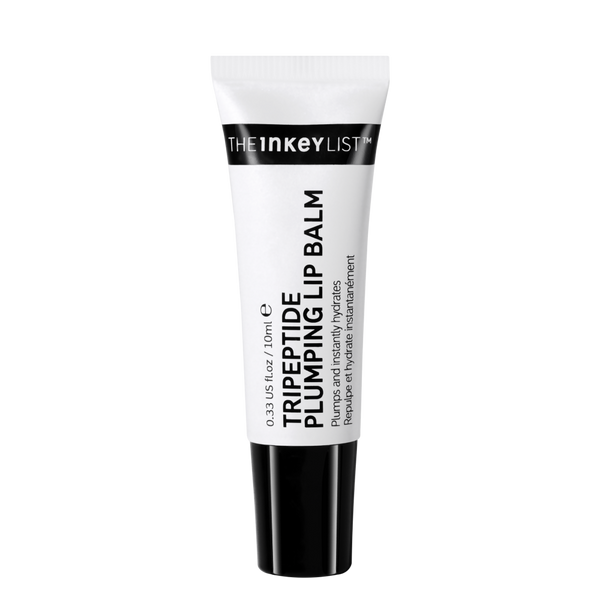
If you want the single most useful place to start, make a gentle daily balm your anchor habit. Our Clear Tripeptide Plumping Lip Balm (£11) is designed as a daily lip-care and hydration step, not merely a plumper, and you can explore the full Lip Treatments collection for the surrounding routine. For the bigger-picture companion read, our complete lip care guide pulls everything together in one place.
Below, we move from the biology of why lips dry out, through the specific triggers, to a clear, practical plan for healing and prevention. The aim is simple: to give you clarity, not complication.
What Are Dry and Chapped Lips?
To fix a problem properly, it helps to understand what it actually is. Dry and chapped lips sit on a single spectrum of the same underlying issue: a lack of moisture and a compromised surface. The difference is a matter of degree.
Dry lips describe the earlier, milder stage. Your lips feel tight, look a little dull or rough, and may develop fine flakes. There is no real damage yet, just a shortage of moisture and a surface that has lost its smoothness. Chapped lips are what dryness becomes when it is left unaddressed or made worse. At this point the skin has progressed to visible cracking, splitting, peeling, soreness, and sometimes stinging when you eat or talk. So when people ask what are chapped lips, the clearest answer is that they are dry lips that have tipped over into actual surface damage. The two are not separate conditions. They are two points on the same line, which is reassuring, because it means catching dryness early usually prevents the chapping stage altogether.
Why lips dry out faster than the rest of your face
The reason your lips suffer first and most is structural. The skin on your lips is dramatically thinner than the skin on the rest of your face. Facial skin has many layers and a robust outer shield; lip skin has a far thinner version of that shield, known as the stratum corneum, which is the uppermost protective layer that holds moisture in and keeps irritants out.
Crucially, your lips have few or no oil glands of their own. Most of your skin produces a thin film of natural oil (sebum) that helps lock hydration in and keeps the surface supple. Your lips largely miss out on this built-in protection. That is a big part of why they chap in conditions your cheeks and forehead shrug off. As the NHS notes in its guidance on sore or dry lips, the common triggers are everyday ones such as cold weather, dry air, wind, sun and dehydration, and the problem is usually simple to manage at home. The medical term for inflamed or dry, cracked lips is cheilitis, and Cleveland Clinic’s overview of chapped lips is a helpful, non-alarming reference that confirms how routine the problem is.
The quiet culprit: transepidermal water loss
There is one plain-English concept that explains almost everything about dry lips: transepidermal water loss. Stripped of the jargon, it simply means moisture escaping from the surface of the skin into the air. All skin loses a little water this way all the time. The trouble with lips is that, being thin and under-protected, they lose it far faster than anywhere else. When the surrounding air is cold, dry or heated, that loss accelerates, and lips go from comfortable to tight within hours.
This is also why a glass of water alone never seems to be enough, a point we will return to in detail later. Internal hydration and the moisture held at the surface of your lips are two related but different things.
What good lip care actually has to do
Understanding water loss sets up the whole logic of treatment, because it reveals that effective lip care has two distinct jobs to do, and the best approach does both at once:
- Hydrate: draw water into the surface of the lips using ingredients called humectants. The best-known example is Hyaluronic Acid, a moisture magnet that holds water where you want it. If you are new to it, our explainer on what Hyaluronic Acid is breaks down how it works.
- Seal: lock that moisture in with nourishing, cushioning butters and oils that form a comforting protective layer, standing in for the natural oils your lips lack.
Hydrate without sealing, and the water you add simply evaporates. Seal without hydrating, and you trap a dry surface under a film with little moisture to protect. The pairing is the whole point, and it is the principle every good fix is built on. If you want the fuller routine, our lip care guide is the deeper companion to this article.
Now that it is clear why lips are so vulnerable, let us look at the specific triggers that pull moisture away in the first place.
What Causes Dry and Chapped Lips?
Most cases of dry and chapped lips come down to everyday habits and the environment around you, which is genuinely encouraging, because almost every cause on this list is fixable. Here are the main culprits, roughly in order of how often they are responsible, each explained in a single plain sentence so you can spot your own triggers quickly.
- Licking your lips. This is the most common cause of all: saliva evaporates quickly and takes surface moisture with it as it goes, leaving lips drier than before every single time.
- Cold weather and wind. Cold, blustery air is low in moisture and strips water from the surface of your lips faster than they can replace it.
- Low humidity. Dry air, whether outdoors in winter or on an aeroplane, pulls moisture out of thin lip skin through that transepidermal water loss we described earlier.
- Central heating and air conditioning. Both quietly dry out indoor air, so your lips lose moisture even when you are warm and comfortable inside.
- Sun exposure. UV damages the delicate surface of the lips and dries them out, and lips are easy to forget when you think about sun protection.
- Whole-body dehydration. When you are low on fluids overall, your skin and lips have less moisture to draw on, which shows up quickly on the lips.
- Harsh, fragranced or tingling lip products. Strong fragrances and certain “active” ingredients can irritate the lip barrier, and repeated irritation keeps lips in a dry, reactive state.
- Over-exfoliating or picking at flakes. Scrubbing too often or peeling away loose skin tears the surface and damages the barrier, which makes dryness worse, not better.
- Mouth breathing and certain medications. Breathing through your mouth dries the lips as air passes over them, and some medications can contribute to dryness as a side effect.
The sneaky cause: tingling lip plumpers
There is one trigger worth singling out, because it catches people out constantly. Many plumping lip products create their “plumping” effect by deliberately irritating your lips. They rely on ingredients such as menthol, cinnamon or capsicum (chilli extract) to produce that familiar tingle or mild burn. That sensation is not the product working in a good way. It is low-grade irritation, and the temporary swelling it causes is a mild inflammatory response.
Used occasionally, that may be no great harm. Used daily on lips that are already dry, it can keep the barrier inflamed and slow down healing, trapping you in exactly the cycle you are trying to escape. A balm genuinely should not need to sting to be effective. Our Clear Tripeptide Plumping Lip Balm deliberately contains no menthol, no cinnamon and no capsicum, so there is no tingle and no irritation, which matters most precisely when your lips are already struggling.
A careful word on vitamins and persistent dryness
You may have read that dry lips can signal a vitamin deficiency. It is worth handling this honestly. Everyday dry and chapped lips are overwhelmingly caused by the habits and environmental factors above, and they respond to simple topical care. Occasionally, persistent dryness that does not improve with consistent care, or cracking at the corners of the mouth, can relate to other health factors that are worth raising with a GP or doctor. We are not going to diagnose anything here, because that is a conversation for a professional, and we cover it responsibly later in this article.
The American Academy of Dermatology’s guidance on healing dry, chapped lips reinforces much of the above, particularly the advice to avoid irritating ingredients while lips recover. If dehydration is part of your picture, our companion piece on what dehydrated skin is explains how internal hydration and the skin barrier work together.
Many readers will recognise themselves in more than one of these triggers. If your real frustration is lips that always seem dry no matter what you do, the next section is for you.
Why Are My Lips Always Dry?
If your lips feel permanently dry and nothing seems to break the pattern, you are not imagining it, and you are not doing something uniquely wrong. “Always dry” lips are almost always a barrier-and-environment problem rather than a permanent state, which means they can be turned around. Two mechanisms usually keep people stuck, and both are entirely fixable.
The lip-lick cycle
The first is the lip-lick cycle, and it is deceptively simple. Your lips feel dry, so you lick them for instant relief. For a few seconds that feels better. Then the saliva evaporates, taking even more surface moisture with it and leaving your lips drier than they were before you started. So you lick them again. Round and round it goes, and the more you lick, the drier they get. Many people do this dozens of times a day without noticing.
Breaking it is less about willpower and more about replacing the habit. Here is how to stop licking lips in practice:
- Keep a balm permanently within reach. The whole point is to have a better option than your tongue available the instant your lips feel dry. Put one by your bed, one in your bag and one at your desk.
- Reapply instead of licking. When you feel the urge to lick, that is your cue to apply balm instead. The relief is real, it lasts, and it heals rather than harms.
- Notice your triggers. Many people lick most when they are concentrating, stressed or cold. Spotting the pattern makes the swap far easier.
A comforting, non-stinging balm is the ideal replacement habit, because it soothes immediately without the irritation that keeps the cycle going. Our Clear Tripeptide Plumping Lip Balm is designed to be exactly that: the one you keep within reach, that comforts on contact without any tingle.
Barrier damage keeps lips stuck
The second mechanism is barrier damage. Every time you use a stinging product, pick off a flake or over-exfoliate, you injure the already thin protective surface of your lips. A damaged barrier cannot hold moisture, so lips stay dry, which makes them flake and crack, which tempts you to pick again. Like the lip-lick cycle, it is self-perpetuating, and it is why repeated irritation leaves lips feeling permanently parched. The fix is to stop the irritation and let the barrier recover, supported by gentle, consistent moisture.
The myth worth busting
Here is the single most common misunderstanding about dry lips, stated plainly:
Drinking water helps your whole body, but your lips need help on the surface too.
Staying well hydrated is genuinely good for your overall health and your skin, and you should do it. But internal hydration and the condition of your lip barrier are two different things, and water alone simply cannot reach or repair the thin, oil-gland-poor surface of your lips. That is why people who drink plenty still get chapped lips in winter. The day-to-day difference comes from topical care applied directly to the lips. If the internal-hydration side interests you, our guide to dehydrated skin explains the relationship in more detail.
The reassuring takeaway is this: lips that are “always dry” are responding to ongoing habits and surroundings, not a life sentence. Remove the irritation, replace the licking, keep them consistently hydrated and sealed, and the pattern breaks. Having explained why the cycle persists, let us get into the practical, step-by-step fix.
How to Fix Chapped Lips
Here is the part you came for: a clear, practical plan for how to fix chapped lips and how to heal chapped lips without any guesswork. The approach is simple, gentle and consistent, and it works because it treats the actual cause rather than masking the symptom. Think of it as five moves.
Step one: support hydration from within
Drink water sensibly across the day. This is a supporting act, not the cure, and we have been honest about why. Good overall hydration gives your lips more moisture to draw on, but it will not repair the surface by itself. Treat it as the foundation, then do the real work on the lips themselves.
Step two: stop licking
This is the highest-impact habit change you can make, and it costs nothing. Every lick undoes your progress, so swap the lick for a reapplication of balm. If you only change one behaviour, change this one.
Step three: apply a gentle, barrier-friendly balm often
This is the heart of the fix, and it brings back the two jobs from earlier: hydrate and seal. You want a balm that draws water into the lips with humectants such as Hyaluronic Acid, then locks it in with nourishing butters and oils so it does not simply evaporate. You can read more on the humectant side in our guide to Hyaluronic Acid.
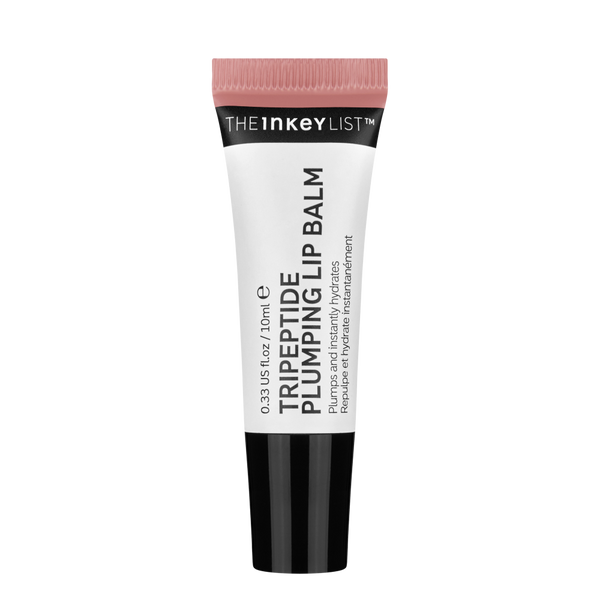
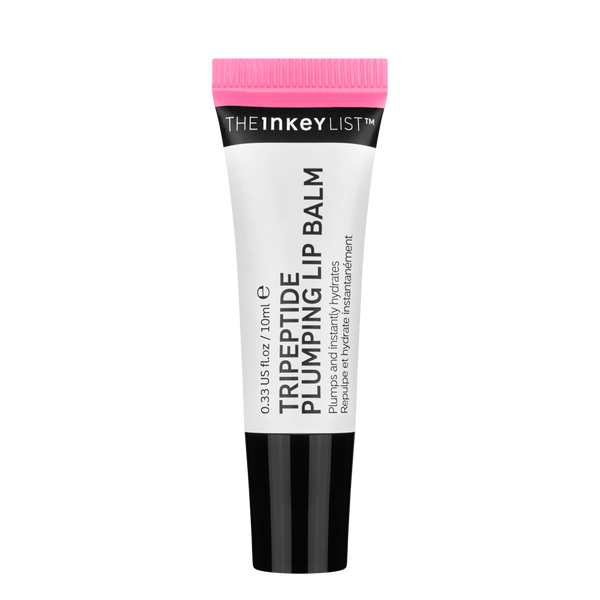
This is where the hero earns its place. Our Clear Tripeptide Plumping Lip Balm is formulated to do both jobs at once. It contains a 6% Tripeptide Complex and 2% Ultra Filling Spheres that deliver Hyaluronic Acid, so it hydrates and helps support the look of fuller, smoother lips while sealing in comfort. Peptides are a well-studied family of skincare ingredients, and if you are curious about the wider category you can browse our peptides collection. Crucially for anyone with dry or cracked lips, it contains no menthol, no cinnamon and no capsicum, so there is no tingle and no irritation. It comforts from the very first application rather than making dry lips feel worse.
On results, the independent testing is worth knowing. The balm is clinically proven to plump lips by up to 40% in 4 weeks, visibly smoothed fine lines on the lips in 2 weeks, and in consumer testing 95% felt it instantly nourished and hydrated the lips**. To be precise about language: lips look and appear plumper, fuller, smoother and more defined. Peptides help support the look of fuller lips rather than altering the anatomy itself, and comfort is immediate while the visible, measurable results build over the weeks of consistent use.
Step four: apply often and protect the barrier
Frequency is where most people fall short. Apply your balm at least three times a day, and reapply after eating, drinking and spending time outdoors, since all three wipe or wear it away. It layers easily under or over lip colour, so there is no excuse to skip it. The AAD’s healing advice echoes this: apply often, avoid irritants, and protect the lips as they recover.
Step five: be very cautious with exfoliation
When lips are cracked or sore, do not scrub, and do not pick at flakes, however tempting. Both tear the healing surface and set you back. Wait until your lips feel comfortable again, then, if needed, smooth away any loose flakes very gently with a soft, damp cloth. Gentleness is not optional here, it is the whole strategy.
Put simply, the best lip balm for dry lips is a gentle, hydrate-and-seal formula with no stinging actives, used generously and often. The Lip Treatments collection is a good place to see the options together. Fixing chapped lips is step one; keeping them healthy is the longer game, so let us move into prevention.
How to Prevent Dry and Chapped Lips
Knowing how to prevent chapped lips is really about turning the fix into a set of small, sustainable habits so the problem never gets a foothold again. Prevention is far easier than repair, and once these become automatic you will barely think about them.
Build a simple daily rhythm
The backbone of prevention is consistent application. A simple habit checklist keeps it effortless:
- Apply balm first thing in the morning and last thing at night.
- Top up at least once mid-day, and always after meals and drinks.
- Keep one balm by your bed and one in your bag so you genuinely never skip.
- Treat the urge to lick as your cue to reapply instead.
- Leave flakes alone and resist picking, even when lips are peeling.
None of this is demanding. It is the repetition that does the work, which is why keeping a balm in every place you spend time matters more than any single heroic effort.
Make lip care year-round, not just a winter thing
A common mistake is treating chapped lips as a purely winter problem. In reality, your lips need protection all year. Summer sun, air conditioning in offices, cars and planes, and heated indoor air in the colder months all dry lips out. When you are spending time outdoors, pair your lip care with sensible sun protection for your skin more broadly, since UV is one of the easiest triggers to overlook. Keeping lip care constant across the seasons is the difference between occasional flare-ups and lips that stay comfortable.
Choose gentle formulas on purpose
Prevention is undermined by the very products some people reach for. Avoid tingling, heavily fragranced or harsh formulas that irritate the barrier, because every irritation is a small step back toward dryness. A calm, non-stinging balm is the smarter long-term choice. Our Clear Tripeptide Plumping Lip Balm is built for exactly this kind of daily, year-round consistency, with no tingle to interrupt the barrier’s recovery.
Expect results to build
Finally, set realistic expectations. Comfort is immediate, but the visible improvements, smoother texture and fuller-looking lips, build over roughly two to four weeks of daily use. Consistency is the real secret, far more than any single product applied once and forgotten. The NHS guidance on sore or dry lips backs up just how far simple, consistent prevention goes.
If you want to see the complete routine laid out, our lip care guide is the full reference. With the habits in place, let us look at the specific products that support healthy lips and the skin around them.
Our Best Products for Dry and Chapped Lips
You do not need a cupboard full of products to beat dry and chapped lips. You need a few well-chosen ones, used consistently. Here is the short list we would recommend, led by the hero and supported by a small, genuinely useful cast for the lips and the delicate skin around the mouth.
The daily lip-care step
Our Clear Tripeptide Plumping Lip Balm (£11) is the centre of the routine. It does both essential jobs at once: it hydrates with a 6% Tripeptide Complex and 2% Ultra Filling Spheres that deliver Hyaluronic Acid, then seals in comfort so moisture does not escape. There is no menthol, cinnamon or capsicum, so no tingle and no irritation, which is exactly what dry lips need. It is vegan (registered with The Vegan Society), suitable to use during pregnancy and breastfeeding, and designed to be applied at least three times a day. On results, it is clinically proven to plump lips by up to 40% in 4 weeks, visibly smoothed fine lines on the lips in 2 weeks, and 95% of people felt it instantly nourished and hydrated the lips**. Lips look fuller, smoother and more defined, with comfort from the first application.
A supporting cast worth having
Lips rarely exist in isolation, and the skin around the mouth often needs a little help too. These three earn their place:
- Our Hyaluronic Acid Serum (£12): deep, lasting hydration for the skin around the mouth and the rest of the face. Apply it to damp skin so the Hyaluronic Acid has water to draw in and hold.
- Our Bio-Active Ceramide Moisturiser (£20): ceramides help strengthen and support the skin barrier around the mouth, which is useful for dryness and the look of early fine lines in that area.
- Our Oat Cleansing Balm (£15): a gentle, non-stripping cleanser so the delicate skin around your lips is not left tight or irritated after washing, which matters because harsh cleansing is a quiet contributor to dryness.
Each of these supports the hero rather than competing with it, building a calm, barrier-friendly routine from lips to the surrounding skin. To browse the full range in one place, the Lip Treatments collection is the natural next stop. And if you are curious about the plumping science behind the Tripeptide Complex specifically, our piece on how to plump your lips without fillers goes deeper.
Products handle the overwhelming majority of cases. For completeness and honesty, let us set expectations for the small number of situations that need a professional eye.
When to See a Professional About Chapped Lips
Almost all dry and chapped lips are simple to manage at home with the gentle, consistent care described above. This section is deliberately short and measured, because it is only about the small minority of cases where it is sensible to get a professional opinion rather than carrying on alone.
It is worth seeing a GP or doctor if you notice any of the following:
- Persistent cracking or dryness that does not improve despite several weeks of consistent, gentle care.
- Sore, cracked or split skin at the corners of your mouth that keeps returning.
- Ongoing peeling, lasting pain, or any signs of infection such as swelling, oozing or crusting.
The reason to flag cracked corners of the mouth in particular is that they can behave differently from ordinary chapping. Cleveland Clinic’s overview of chapped lips and its separate page on angular cheilitis, the medical term for cracking at the corners of the mouth, are useful, high-quality references if you want to understand the distinction. We are being deliberately careful here: persistent dryness or cracking at the corners of the mouth can sometimes relate to other health factors, and a doctor is the right person to assess that. It is a conversation worth having rather than something to self-diagnose, and the same applies to any worry about whether dryness connects to your overall health. The NHS page on sore or dry lips is a sensible guide on when to seek advice.
None of this should cause alarm. The headline remains that most dry and chapped lips are everyday, manageable and quick to improve. Knowing the few signs that warrant a professional simply means you can treat the common cases confidently at home and get the right help in the rare cases that need it. To round off the practical side, let us point you toward the wider lip-care reading.
Explore More Lip Care
If this article has been useful, these related reads go deeper on the topics we have touched on. Each one adds something genuinely different, so pick whichever matches what you want to understand next.
- The complete lip care guide: the full pillar reference, pulling the whole routine together in one place.
- How to Plump Your Lips Without Fillers: the science behind peptide-led plumping, and how lips can look fuller without needles.
- What is Hyaluronic Acid?: a plain-English deep dive on the humectant doing the hydrating heavy lifting.
- What is Dehydrated Skin?: how internal hydration and the skin barrier really relate, and why water alone is not enough.
- Lip Treatments collection: browse the full range of lip products in one place.
Conclusion
Dry and chapped lips are among the most common skin complaints there is, they are rarely serious, and they are highly responsive to the right care. Because lip skin is so thin and has so little natural oil, it reacts quickly to cold, dry air, sun, dehydration and the habit of licking, but that same sensitivity means it improves quickly once you treat it well. The whole fix comes down to a simple formula you now know by heart: hydrate, seal, protect and apply often, at least three times a day. Comfort arrives immediately, and the visible results build over roughly two to four weeks of consistent use.
The most freeing thing to remember is that you do not need a cupboard full of products. You need the right ones, used consistently, and a couple of small habit changes, mainly swapping the lip-lick for a reapplication. Do that, keep a gentle balm within reach, and lips that once felt permanently dry become comfortable and healthy-looking, season after season.
Start with the daily step that does the most: our Clear Tripeptide Plumping Lip Balm (£11). Browse the full Lip Treatments collection to build out your routine, and read the complete lip care guide for the bigger picture. Clear guidance, proven ingredients, real results - healthier, more comfortable lips start with one simple daily step.
*4-week independent clinical study of 20 people under dermatological control.
**4-week independent consumer trial of 20 people under dermatological control.
Frequently Asked Questions
Got a question?
Our askINKEY team are a friendly bunch of skincare experts with deep product knowledge and zero judgement. Whether you're an ingredient obsessive or just starting out, we'll make it make sense. No question too big. No question too small. We Give A Care, Every Day.


