



Humectants vs Occlusives: What’s the Difference and What to Use
Humectants pull water into your skin, occlusives seal it in, here's how to tell which one you need and the right order to apply both
Author
askINKEY skincare advisor
Published
04 October, 2026
Time to read
9 minutes
Skincare labels throw around words like “humectant” and “occlusive” as if you already took a chemistry class before buying a serum. You didn’t, and you shouldn’t have to. You don’t need a science degree to build a routine that actually works, you need a clear, direct answer to one question: what does each of these actually do, and which one does your skin need.
Here is the short version. A humectant pulls water into the skin. An occlusive seals that water in so it cannot escape. One attracts, one locks down. They are not rivals fighting for a spot in your routine, they are two different tools solving two different problems.
Quick answer: humectants attract water, occlusives seal it in. Most dehydrated skin needs both, applied in the right order.
This blog is going to answer the exact questions people type into Google at 11pm while standing in front of a bathroom mirror: is glycerin a humectant or an occlusive, do humectants and occlusives cancel each other out, what should you apply first, and how do you actually know which one, or both, your skin needs. This is not a basic definitions piece. If you want the full breakdown of what a humectant is from the ground up, we already cover that in detail in What Is a Humectant? The Complete Skincare Guide. This piece picks up from there. It is a head-to-head comparison and a layering guide for people who already have some context, or who are ready to stop guessing and start applying products in the order that actually gets results.
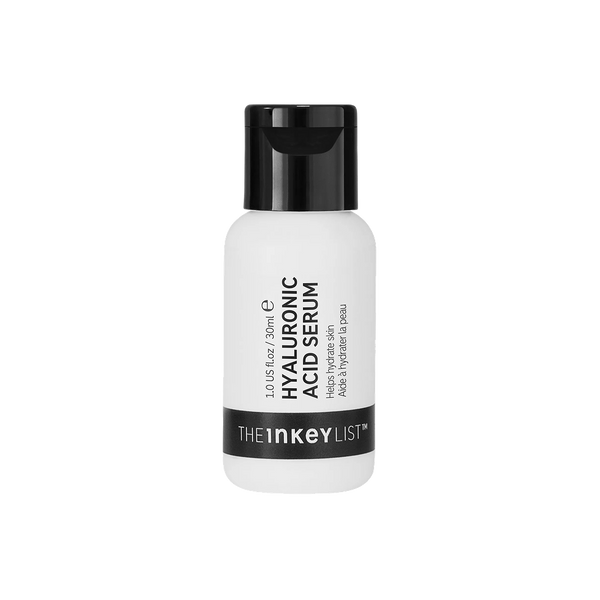
For most people dealing with dehydrated or compromised-barrier skin, the honest answer is not “pick one.” It’s “use both, in the right order, in the right ratio for your skin.” That thesis runs through this entire piece, and by the end you’ll know exactly where you land. A few products come up early and often in this conversation because they represent each category well: our Hyaluronic Acid Serum is a textbook humectant, while our Bio-Active Ceramide Moisturiser is built to behave like an occlusive, sealing hydration in rather than adding more of it. If dehydration is a recurring issue for you specifically, our Dehydrated Skin page is worth bookmarking alongside this one.
Before any of the comparisons, the layering order, or the decision framework make sense, you need total clarity on what separates these two ingredient categories in the first place. That’s the first thing to nail down.
Humectant vs Occlusive: The Core Difference Explained Simply
Humectant = attracts water. Occlusive = seals water in.
Those nine words carry more useful information than most skincare labels manage in an entire paragraph, so it’s worth sitting with them before moving further.
A humectant is an ingredient that draws water from the deeper layers of your skin and from the surrounding air into the surface layer of your skin, increasing hydration at the point where you actually see and feel dryness. It’s an active process, pulling moisture toward the surface rather than just sitting on top of it. An occlusive, by contrast, does something almost the opposite in mechanism while being equally essential: it forms a physical layer on top of the skin that slows down water loss, a process dermatologists refer to as transepidermal water loss, or TEWL. If you want to understand exactly how and why skin loses water in the first place, we break that down fully in What Is TEWL (Transepidermal Water Loss), since that concept is the entire reason occlusives exist as a category.
Here’s a simple way to hold both ideas in your head without overcomplicating it: a humectant works like a sponge, pulling water in from wherever it can find it. An occlusive works like a lid, keeping that water from evaporating back out once it’s there. A sponge without a lid dries out eventually. A lid with nothing underneath it just seals in whatever was already there, good or bad. Neither one, on its own, is a complete answer. Together, they are.
This is the point where it becomes important to say plainly: humectants and occlusives are not interchangeable, and they are not competing for the same job. They solve two fundamentally different problems. One is a lack of water, which is hydration. The other is water escaping too quickly, which is a barrier issue. Buying a humectant when your real problem is a weak, leaky barrier will leave you frustrated and convinced “hydrating products don’t work for me.” Buying only a heavy occlusive when your skin genuinely lacks water underneath will just seal in dryness, not fix it. Knowing which problem you actually have changes everything about which product category deserves your attention first, which is exactly what the decision framework further down this page is built to help you figure out.
There’s one more wrinkle worth flagging now, because it sets up the next section perfectly: some ingredients don’t sit neatly in one box. Depending on concentration and how they’re formulated alongside other ingredients, certain actives can behave like a humectant in one formula and contribute something closer to an occlusive feel in another. This is exactly why questions like “is glycerin a humectant or occlusive” show up constantly in skincare searches, and it deserves a proper, direct answer rather than a hand wave. For readers who want the full clinical grounding behind this three-part moisturiser framework, the NCBI StatPearls Moisturizers article lays out the humectant, occlusive, and emollient categories in detail, and it’s the kind of science-first source that backs up everything said here.
Once the mechanism is clear, the next logical step is a direct, practical comparison, the kind you’d actually use while standing in front of your bathroom shelf trying to decide what order to apply things in.
Humectants vs Occlusives: Head-to-Head Comparison
This is the section that answers the comparison question directly, because “humectant vs occlusive” isn’t really one question, it’s several smaller ones stacked together: how does each work, when should each go on, what skin concern does each solve, and what does each actually feel like on skin.
How each works: A humectant draws water molecules toward the surface of the skin using its chemical structure, essentially acting as a magnet for moisture. An occlusive doesn’t attract anything, it physically blocks water from leaving by sitting on top of the skin as a barrier layer.
When each is best applied: Humectants perform best early in a routine, ideally on slightly damp skin, because they need available water to draw from. Occlusives belong later in the routine, as one of the final steps, because their entire job is to sit on top and trap whatever hydration is already there. Applying them in reverse order undercuts both.
What skin concern each solves: Humectants address a genuine lack of water in the skin, otherwise known as dehydration. Occlusives address excessive water loss, which shows up as dryness, flakiness, or a compromised barrier regardless of how hydrated the skin technically is underneath.
Typical texture and feel: Humectants tend to feel light, watery, and fast-absorbing, which is part of why people underestimate how powerful they are. Occlusives tend to feel richer, denser, sometimes slightly tacky immediately after application, which is often the exact quality people associate (sometimes unfairly) with “heavy” skincare.
Now, the question that causes the most genuine confusion: is glycerin a humectant or an occlusive? Glycerin is fundamentally a humectant. Its core job is drawing moisture in, not sealing it. But in heavier concentrations, or when it’s formulated alongside richer, emollient-dense ingredients, glycerin can contribute to a formula that feels more protective or cushioning on the skin, which is exactly why people start to wonder if it’s secretly doing double duty. To be direct about it: glycerin itself does not seal water into the skin the way a true occlusive does. The protective feel some glycerin-rich creams have comes from what else is in the formula, not from the glycerin acting as an occlusive on its own. If you want to go deeper on how glycerin stacks up against another major humectant specifically, we’ve laid that out fully in Glycerin vs Hyaluronic Acid: Which Humectant Is Right for You.
Common humectants worth knowing by name:
- Hyaluronic acid, which can hold significant amounts of water relative to its weight
- Glycerin, one of the most studied and widely used humectants in skincare
- Polyglutamic acid, which holds even more moisture molecule-for-molecule than hyaluronic acid in some formulations
Common occlusive and occlusive-supportive ingredients worth knowing by name:
- Ceramides, which help rebuild and reinforce the skin’s natural barrier
- Squalane, a lightweight lipid that mimics the skin’s own oils
- Richer water creams or cream-based formulas, which combine lighter hydrating textures with enough occlusive support to slow water loss without feeling heavy
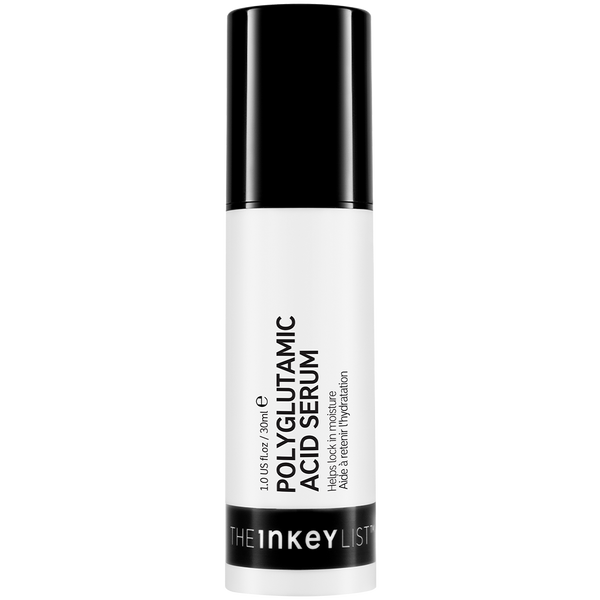
If you’re building a routine around this, our Hyaluronic Acid Serum is a straightforward, accessible place to start, priced at £12 for 30ml, which makes the point that effective hydration doesn’t require a luxury price tag. For readers who want to compare notes, our Polyglutamic Acid Serum (£15) is a second genuine humectant option, not just a reformulated version of the same idea, since it can hold even more moisture molecule-for-molecule. And for anyone whose skin leans oily or combination and wants something that bridges both categories without feeling heavy, our Omega Water Cream (£14) offers hydration with a lightweight occlusive quality built in.
So, do humectants and occlusives work against each other? No. They are complementary, not competitive, and this is worth stating unambiguously because it’s one of the most common myths floating around skincare forums. There is one nuance worth knowing, though: using a humectant without any occlusive backup on dry or compromised skin, particularly in a very dry or low-humidity environment, can occasionally mean the humectant pulls moisture from deeper skin layers instead of the air, simply because there isn’t enough ambient moisture available. This doesn’t make humectants bad, it makes layering order genuinely important, which is exactly the subject of the next section. This complementary relationship isn’t just a brand talking point either, it’s backed by clinical literature. A PMC review on the role of moisturizers supports that combining humectant and occlusive ingredients enhances the skin’s overall water-holding capacity more effectively than either category working alone.
Briefly, since it sets up the next section properly: oily skin, combination skin, dry skin, and sensitive skin all have different “ideal ratios” of humectant to occlusive, which is a framework worth building out fully rather than squeezing into a single line here.
Now that it’s clear these two categories don’t compete, the natural next question is the one most people actually came here for: which one physically goes on the skin first.
What to Apply First: Humectant or Occlusive (The Correct Layering Order)
Here’s the rule, stated plainly and upfront so there’s no ambiguity: humectants go on first, on slightly damp skin, followed by an occlusive or richer moisturiser to lock that hydration in.
That’s it. That’s the order. But the “why” behind it matters, because understanding the reasoning is what makes the habit stick long after you’ve forgotten the exact wording of this article.
Humectants work by drawing in available water, wherever that water happens to be. Applying a humectant to towel-dried, still-slightly-damp skin gives it a genuine supply of surface water to pull from and distribute, rather than forcing it to reach for moisture from deeper skin layers in a dry environment, which is less efficient and, in very dry conditions, can occasionally work against you. A damp face isn’t a mistake to towel off before your serum, it’s the ideal canvas for a humectant to actually do its job.
Here’s the simple, repeatable order, using product categories you can map onto whatever you already own:
- Cleanse with something gentle that doesn’t strip the skin’s natural barrier before you’ve even started.
- Apply a humectant serum while skin is still damp, giving it water to draw in and distribute across the surface.
- Optional barrier-supporting step, particularly useful for dry, sensitive, or compromised skin that needs reinforcement before the final seal.
- Finish with an occlusive-leaning moisturiser to lock everything in and slow water loss for the hours ahead.
The most common mistake people make is doing this exact order backwards: applying a rich, heavy moisturiser first, then layering a watery serum on top as if it’s an afterthought. This blocks the humectant from actually reaching the skin and doing its job, since it’s now sitting on top of an occlusive barrier rather than absorbing into slightly damp skin. The serum doesn’t disappear, but a meaningful amount of its effectiveness does, simply because of sequencing.
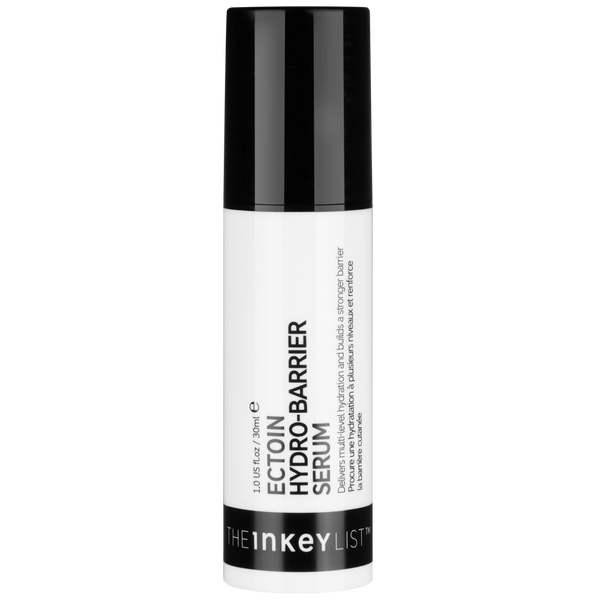
For anyone dealing with a particularly dry or barrier-stressed complexion, there’s a smart middle step worth adding. Our Ectoin HydroBarrier Serum works as a bridge between the humectant step and the final moisturiser, a barrier-strengthening, hydration-locking layer that’s especially useful in very dry or low-humidity climates, including the kind of damp, chilly conditions that are common for large parts of the year in the UK. In those conditions, a simple two-step routine can fall short, so a three-step “hydration sandwich,” humectant, then barrier serum, then heavier moisturiser, gives your skin more reinforcement exactly where it needs it. To finish that sandwich, our Bio-Active Ceramide Moisturiser (£20) is built specifically to strengthen the skin barrier while sealing in everything applied beforehand, making it the natural final occlusive step for most routines.
This order isn’t a morning-only or evening-only rule, it holds in both directions, though the specific products layered within that order can shift. A night routine might add a retinol step somewhere in the middle, for example, but the foundational principle doesn’t change: humectant first on damp skin, occlusive or richer moisturiser to finish. If you’re layering a humectant and occlusive into a morning routine, it’s always worth finishing with an SPF as your final step, since hydrated, well-sealed skin still needs protecting from UV exposure, something our Dewy Sunscreen SPF 30 is designed to sit comfortably over the top of without disrupting the layers underneath. This guidance isn’t just internal best practice either. The American Academy of Dermatology’s guide on picking a moisturizer backs up the “apply to damp skin” approach as a genuinely effective way to maximise how much moisture your skin retains.
With the correct order locked in, the next logical step isn’t about sequencing anymore, it’s about figuring out which of these ingredients your own skin actually needs, because not everyone needs the full three or four-step layered routine described above.
Do You Need a Humectant, an Occlusive, or Both? A Simple Decision Framework
This is the part where theory turns into an actual answer for your actual skin, so it’s worth slowing down here rather than skimming.
Start with a few honest self-check questions:
- Does your skin feel tight and dehydrated, but still look oily or shiny by midday? That combination usually points to a need for a humectant paired with a lightweight occlusive, not a heavy cream.
- Does your skin feel consistently dry, flaky, or rough no matter how much water you drink or how diligent you are? That’s typically a sign you need both categories working together, with a richer occlusive step rather than a light one.
- Does your moisturiser seem to “disappear” within an hour of applying it, leaving your skin feeling tight again? That’s often a sign you need a stronger occlusive layer to actually lock in what you’re already putting on, rather than a sign you need a different humectant.
It helps enormously to separate two terms people use interchangeably but which describe genuinely different problems: dehydrated skin lacks water, while dry skin lacks oil. Dehydrated skin can happen to any skin type, including oily skin, and it responds best to humectants first. Dry skin is more about the skin’s own oil production and barrier composition, and it responds best to occlusives and emollient-rich textures. Confusing the two is one of the most common reasons people feel like they’ve “tried everything” without seeing results, because they’ve been treating the wrong problem. If you suspect dehydration specifically is your issue, our Dehydrated Skin page goes much deeper into identifying it accurately.
Here’s a practical, skin-type-based shortcut to make this even easier:
- Oily or combination skin often does well with a humectant serum paired with a lightweight water cream, avoiding anything too rich or heavy.
- Dry or mature skin typically needs a humectant paired with a richer, ceramide-based moisturiser that offers real occlusive strength.
- Sensitive or barrier-compromised skin benefits most from adding a barrier-supporting step between the humectant and the final moisturiser, giving the skin extra reinforcement before sealing.
For anyone whose routine has plateaued, meaning the basics are in place but results have stalled, there’s a next-level option worth knowing about. Our Exosome HydroGlow Complex is clinically proven to visibly improve radiance, hydration, tone, firmness, elasticity, and texture, and proven to deliver up to 12 hours of hydration. It’s a strong option for those looking to push past a basic humectant-and-occlusive routine into something more targeted, without needing to overhaul everything else you’re already doing.
The most important thing to take from this entire framework is that it’s rarely a binary either/or decision. The majority of skin benefits from both categories working together, the real variable is the ratio: how much humectant relative to how much occlusive, and that ratio shifts depending on your skin type, your environment, and even the season. If you want to understand the most well known humectant ingredient in more depth, our hyaluronic acid page is a useful next stop.
With a clear sense of what your skin actually needs, the final piece of the puzzle is making sure the rest of your routine, starting with how you cleanse, isn’t quietly undoing all of this good work.
Setting Up Your Routine to Work: Cleansing, Climate, and Common Mistakes
A perfectly layered humectant-and-occlusive routine can still fail if the step before it undoes everything. This is the part of the conversation that often gets skipped, and it’s exactly why some people feel like they’re doing everything right and still not seeing results.
A stripping cleanser, the kind that leaves skin feeling squeaky-tight immediately after rinsing, can quietly sabotage even the best-layered routine. Compromised or over-cleansed skin struggles to hold onto hydration no matter what you apply afterward, because the barrier itself is already weakened before the humectant or occlusive ever gets a chance to work. This is why the very first step of any hydration-focused routine should be a gentle, non-stripping cleanse, one that removes the day’s buildup without compromising the skin’s natural barrier in the process. Our Oat Cleansing Balm(£15) is built specifically for this, setting the skin up to actually benefit from everything layered on afterward instead of fighting against a weakened starting point.
Climate and season deserve real attention here too, since they change how hard each ingredient category has to work. In humid conditions, a humectant has plenty of ambient moisture to draw from, which means it may need less occlusive backup to stay effective. In dry, cold, or air-conditioned environments, which describes a fair amount of the UK for much of the autumn and winter once central heating kicks in, there’s far less moisture in the air for a humectant to pull from, which makes a stronger occlusive layer essential to prevent water loss rather than optional. This is one of the most practical, overlooked adjustments people can make to their routine simply by paying attention to the room they’re actually in, whether that’s a heated office in winter or a muggy summer commute.
A few common mistakes are worth naming plainly, because recognising them is often the fastest way to fix a routine that isn’t working:
- Skipping the occlusive step entirely, then wondering why hydration “doesn’t last” past the first hour.
- Applying a heavy cream before a humectant serum, which blocks the humectant from reaching the skin properly.
- Assuming more product always equals better hydration, when in reality the order and type of product matter more than the sheer quantity applied.
One more environmental factor deserves a mention here, specifically because it’s so easy to overlook: overnight conditions. Central heating and air conditioning both increase water loss while you sleep, which is exactly why a final occlusive step before bed tends to matter more than people expect. The AAD’s guide on picking a moisturizer also touches on seasonal adjustments to moisturising, reinforcing that this isn’t a one-size-fits-all, year-round routine, it’s something worth revisiting as conditions change.
With the full picture in place, cleansing, layering order, climate adjustments, and the common mistakes that undo all of it, the only thing left is to answer a few of the quick-fire questions people still have before bringing the whole comparison back to one simple takeaway.
The Bottom Line on Humectants vs Occlusives
Here’s the simple version, stripped of everything except what actually matters: humectants attract water, occlusives seal it in, and most skin benefits from both working together, in the right order, rather than picking one and ignoring the other.
If there’s only one sentence worth remembering from this entire piece, let it be this: humectant first on damp skin, occlusive or richer moisturiser to finish. That single rule resolves most of the confusion around “which one goes first” that sends people searching in the first place.
The right balance between the two will always depend on your specific skin and the climate you’re living in, which is exactly why the decision framework above is worth revisiting whenever your skin changes, or when the seasons shift and your skin’s needs shift along with them. Effective skincare was never supposed to be complicated or expensive, it was supposed to be clear. That’s the whole philosophy behind this comparison: give you the actual mechanism, the actual order, and the actual decision points, so you can stop guessing. If hydration continues to be a recurring issue for your skin specifically, our Dehydrated Skin page is a natural next stop for going deeper.
Ready to put this into practice? Building a humectant-and-occlusive routine doesn’t require a ten-step shelf of products, it requires the right two or three, used in the right order. A simple starting point looks like this: a humectant serum to draw moisture in, an optional barrier-supporting step if your skin runs dry or sensitive, and a finishing moisturiser to seal it all in. From there, let the decision framework above guide which specific products make the most sense for your skin and climate.
Our Hyaluronic Acid Serum and Bio-Active Ceramide Moisturiser remain the simplest two-step starting point for anyone who wants the fastest path to a routine that actually works, no guesswork required.
Start with a humectant, finish with an occlusive, and let your skin hold onto the hydration it’s been missing.
Frequently Asked Questions
Got a question?
Our askINKEY team are a friendly bunch of skincare experts with deep product knowledge and zero judgement. Whether you're an ingredient obsessive or just starting out, we'll make it make sense. No question too big. No question too small. We Give A Care, Every Day.


