



How to Reduce the Appearance of Redness on Your Face: A Gentle Niacinamide Routine
Excerpt: A gentle, step-by-step niacinamide routine for calming the appearance of facial redness, including what to avoid while your skin settles.
Author
askINKEY skincare advisor
Published
21 August, 2026
Time to read
16 minutes
Redness on the face is something a great many people deal with. For some it comes and goes with the weather, a hot shower or a glass of wine. For others it sits there most of the time, more noticeable across the cheeks and nose. This article covers how to reduce the appearance of redness on your face using a gentle, barrier-first routine, and where niacinamide fits into that. If you have been searching for how to get rid of redness on your face and found mostly conflicting advice, this is the measured version.
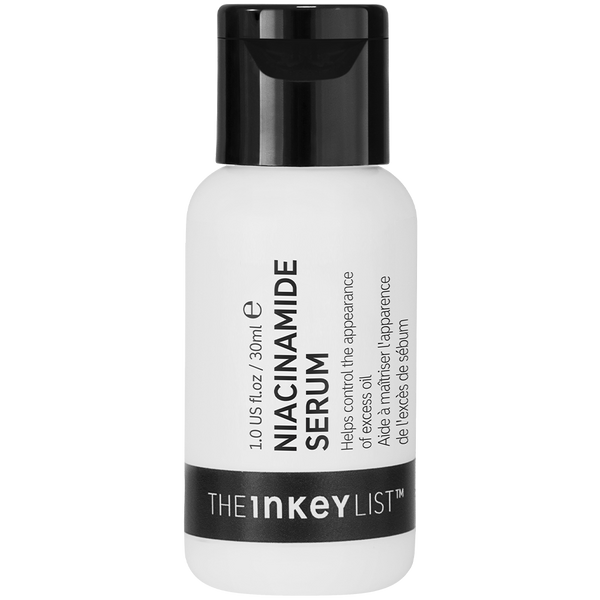
The scope is straightforward. We will look at why skin appears red in the first place, what makes it look worse day to day, why barrier support is the sensible starting point, what niacinamide does for the appearance of redness, whether it can make things worse, and how to build a simple routine around it. Our 10% Niacinamide Serum (£12.00) runs through as the working example, and our page on what niacinamide is covers the ingredient background if you want it. If you would rather browse first, our edit for redness-prone skin is filtered for this.
One boundary worth setting now. This covers cosmetic skincare and the appearance of redness. It is not medical guidance. If your redness is persistent, getting worse, or bothering you, it is worth raising with your GP.
Reducing the appearance of redness is considerably easier once you understand why skin looks red in the first place, so that is where we will start.
Why Some Skin Looks Red or Flushed, and What Makes It Worse
Facial redness is not one thing. Understanding which version you are dealing with makes it much easier to work out what will help.
The three common reasons skin appears red
Blood vessels near the surface becoming more visible. Skin is not opaque. When the small blood vessels close to the surface dilate, more colour shows through. This is what happens when you flush after exercise, a hot drink or an embarrassing moment. In some people those vessels are naturally closer to the surface or dilate more readily, so the effect is more pronounced and lingers longer.
Skin reacting to its environment. Cold wind, central heating, a new product, friction from a towel. The skin responds with inflammation, and inflammation looks red. This is usually temporary and settles once whatever caused it stops.
A barrier that is not holding up. When the outer layer of skin is compromised, it loses moisture more readily and lets irritants in more readily. Skin that is struggling in this way tends to look persistently pinker and reacts to more things than it used to.
Plenty of people have some combination of all three.
Temporary flushing versus persistent redness
There is a useful distinction between redness that comes and goes and redness that stays.
Flushing is transient. Something triggers it, the skin colours, and within twenty minutes to a couple of hours it settles. Nearly everyone experiences this.
Persistent redness sits there most of the time, often across the central face, sometimes with visible small blood vessels. It might get worse with triggers but it does not fully clear between them.
This is the point at which the terms redness-prone and rosacea-prone become relevant. If your redness is persistent, centred on the cheeks, nose, chin and forehead, and possibly accompanied by small bumps or a burning sensation, that pattern is worth discussing with a GP. Rosacea is a medical condition and it needs a proper assessment, not a guess from a blog. The NHS guidance on rosacea sets out what it involves, and the British Association of Dermatologists patient information leaflet goes into more depth.
We are not going to diagnose anything here. What we can do is talk sensibly about the cosmetic side, which is where skincare actually operates.
The everyday things that make redness look worse
Most people find their redness has a fairly consistent set of aggravators. Identifying yours is genuinely useful, and it costs nothing.
- Temperature changes and cold wind. Moving between cold outdoors and heated indoors is a reliable trigger, which is why British winters are not kind to redness-prone skin.
- Hot showers. Heat dilates surface blood vessels and strips skin lipids at the same time. Lukewarm water is a small change with a noticeable effect.
- Spicy food. Capsaicin prompts a flushing response in many people.
- Alcohol. A very common aggravator, discussed below.
- Stress. Also very common, also discussed below.
- Over-exfoliation. Probably the most common self-inflicted cause. Daily acids and regular scrubs on redness-prone skin tend to make things worse over time.
- Fragranced products. Including essential oils, which are not automatically gentler for being naturally derived.
- Rough handling. Scrubbing with a flannel, rubbing dry with a towel, aggressive application. Friction shows up as colour.
Worth tracking your own for a fortnight. People are often surprised by which items on that list actually matter for them and which do not.
Can stress cause facial redness?
Yes, stress is a well-recognised trigger for facial flushing. The physiological stress response includes changes in blood flow, and for people whose surface blood vessels dilate readily, that shows up as visible colour in the face. Stress can also disrupt sleep and skin habits generally, which does the barrier no favours over time.
This is not particularly actionable in the way a skincare step is, but it is worth knowing, if only so you are not searching your bathroom shelf for a culprit that is not there.
Does alcohol cause facial redness?
Alcohol is one of the most commonly reported triggers for facial flushing. It causes blood vessels to dilate, which increases visible redness, and for some people the effect lasts well beyond the drink itself. Red wine is frequently singled out, though responses vary considerably between individuals.
Whether that changes your behaviour is entirely your business. But if you have been wondering why your skin looks worse on a Sunday morning, that is the mechanism.
How to reduce facial redness quickly
Honestly? Quick relief and long-term improvement are different projects, and it is worth being clear about that rather than pretending otherwise.
For short-term calming, the practical steps are:
- Cool the skin. A cool compress or a splash of cool water. Not ice, which is its own kind of shock.
- Stop anything that is stinging. Immediately, and do not resume it to see whether it was a one-off.
- Strip the routine right back. Gentle cleanser, plain moisturiser, nothing else, for a few days.
- Get out of the trigger environment. Cool room, no heat, no wind.
- Leave your face alone. No touching, no examining in the mirror, no rubbing.
That helps in the moment. It does not change how your skin behaves next week. For that you need the barrier work, which is the more useful project and the subject of the rest of this article.
Having identified what makes redness look worse, the next question is what to actually get right.
Barrier Support as the Starting Point
If there is one idea to take from this article, it is that a shorter, gentler routine usually outperforms a longer, more ambitious one for redness-prone skin. That is not a fashionable position in a category built on selling more products, but it is what the evidence and the experience both point toward.
What the skin barrier does
The skin barrier is the outer layer of your skin, and it has two jobs. It holds moisture in, and it keeps irritants out. Structurally it is skin cells held together by lipids, which are the fats and oils skin produces to seal the gaps between them.
When that layer is intact, skin retains water properly and copes with the outside world. When it is compromised by over-exfoliation, harsh cleansing, hot water, cold wind, or simply too many actives, moisture escapes more readily and irritants get in more readily. The visible result is skin that looks redder, feels tighter, and reacts to things it previously tolerated.
That connection is the crux of it. A struggling barrier means skin looks redder and reacts more readily. So supporting the barrier is the most reliable route to a visibly calmer complexion, and it is a considerably better use of effort than searching for a product that promises to cancel out the colour.
Subtraction before addition
The instinct when skin looks bad is to add something. For redness-prone skin, the more effective move is usually to take things away.
Strip the routine back, remove anything that stings, stop daily exfoliation, and see where your skin settles. Most people are surprised.
A sensible reset looks like this. For two to three weeks, use a gentle cleanser, a plain moisturiser and daily sun protection. Nothing else. No acids, no retinoids, no scrubs, no masks, no fragranced products. Then assess.
Quite often skin improves noticeably during that period, which tells you something valuable about what was actually causing the problem. From that calmer baseline you can reintroduce one thing at a time and find out what your skin genuinely tolerates.
We would rather say that plainly than sell you a fourth serum. People do not need more skincare. They need clarity they can trust about what is worth using.
Cleansing, done properly
Cleansing is where most redness-prone skin gets quietly damaged. Twice a day, every day, for years. It is also the easiest thing to fix.
- Lukewarm water, not hot. Heat dilates surface vessels and strips lipids simultaneously.
- No scrubbing. No flannels, no muslin cloths, no cleansing brushes, no vigorous circles. Fingertips, gently.
- No tight or squeaky feeling afterwards. That sensation means the cleanser removed more than it should have. It is not cleanliness, it is damage.
- A non-stripping formula. Balms and cream cleansers generally suit redness-prone skin better than high-foam gels.
- Pat dry. Or leave skin slightly damp for what comes next.
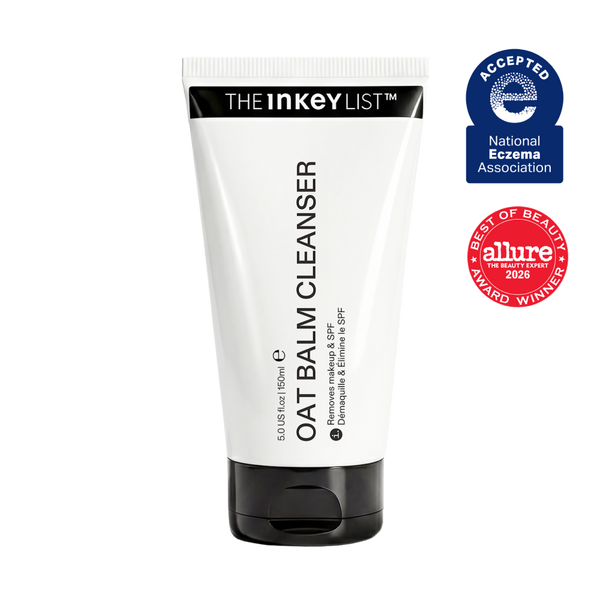
Our Oat Cleansing Balm (£15.00) contains 1% colloidal oatmeal to help visibly reduce redness and soothe dryness while it removes makeup and sunscreen. It melts rather than foams, so there is no surfactant strip and no need for a cloth.
Moisturiser is doing more work than your actives
This is underappreciated. For redness-prone skin, a good moisturiser used consistently will generally do more than any active ingredient in the routine.
It supports the barrier directly, reduces the tightness and reactivity that make redness look worse, and gives skin the conditions it needs to settle. It is unglamorous and it works.
Look for something comfortable, fragrance-free, and appropriate to your skin type rather than to your concern. Being redness-prone tells you nothing about whether you need a rich cream or a light one. Our guide to finding your skin typeis a reasonable place to sort that out, and our complete skincare concerns guide helps if you are managing several things at once.
Sun protection as a barrier habit
Daily sun protection belongs in this section rather than in a separate one, because it functions as barrier maintenance. Sun exposure is a widely recognised aggravator of facial redness, and consistent daily use is one of the more reliably useful habits available. Broad-spectrum, worn every morning, all year, including in British weather that does not appear to warrant it.
For clinical context on managing redness-prone skin from a UK perspective, the British Association of Dermatologists 2021 rosacea guidelines set out the professional consensus, including the emphasis on gentle skincare and sun protection as foundational.
With the foundation established, we can turn to the ingredient this article was built around.
What Niacinamide Does for the Appearance of Redness
Niacinamide is a form of vitamin B3 used topically in skincare. It has been in dermatological formulations for decades, which means it is unusually well characterised compared with ingredients that arrived more recently.
What it is understood to do
For redness-prone skin, niacinamide is understood to work in three connected ways.
It supports barrier function, helping the skin’s outer layer do its job of holding moisture in and keeping irritants out. It helps skin hold onto moisture, which reduces the tightness and reactivity that make redness look more pronounced. And over time it helps skin look more even and less visibly reactive.
None of that is dramatic in isolation. Together, and applied consistently, it produces the kind of gradual improvement that tends to last.
Is niacinamide good for rosacea-prone skin?
Niacinamide is generally considered well tolerated by rosacea-prone skin, and it is widely used as a daily supportive step by people managing the appearance of redness. Its tolerability is one of the main reasons it appears so frequently in recommendations for sensitive skin.
The qualification matters, though. Niacinamide is a cosmetic ingredient, not a treatment. It can support the barrier and help skin look calmer. It does not address the underlying medical condition, and we are not going to suggest otherwise. If you are looking at niacinamide for rosacea-prone skin, think of it as one supportive part of a gentle routine, alongside proper medical advice where that is warranted.
Searches for niacinamide and rosacea are common enough that it is worth stating the position clearly rather than leaving it implied.
What the research observed
Two studies come up repeatedly, and both are worth describing accurately.
Draelos and colleagues in 2005 observed improvements in barrier function among participants using a niacinamide-containing moisturiser. That is an observation about a formulation containing the ingredient. It was not conducted on our products and we are not going to present it as though it was.
Baldwin’s 2021 review provides broader dermatological context, drawing together the accumulated literature on niacinamide’s role rather than reporting a single trial.
Both are study observations about the ingredient. Neither studied our serum, and neither should be read as a claim about it. We think spelling that out is more useful than the alternative, which is the widespread habit of citing a study next to a product and letting readers draw their own conclusion.
Realistic expectations
Niacinamide is cumulative and gradual. It is not an instant fix for the appearance of redness, and any product suggesting otherwise is overpromising.
Give it four to eight weeks of consistent daily use before forming a view. The improvement, when it comes, tends to be skin that looks a little more even, feels less tight, and reacts slightly less to the usual aggravators. Modest, but genuine, and considerably more durable than anything that promises to work overnight.
We frame our 10% Niacinamide Serum (£12.00) around barrier support and visible calm, because that is what it is for. It pairs 10% niacinamide with 1% hyaluronic acid, so the barrier-supporting active arrives alongside hydration rather than on its own.
For general usage guidance beyond the redness context, we have covered that separately in how and when to use niacinamide. Our niacinamide page goes deeper on the ingredient, and the full niacinamide range is there if you want to compare formats.
There is a reasonable worry that adding any active to already-red skin could backfire, and it deserves a direct answer.
Can Niacinamide Make Redness Worse?
Some people notice temporary flushing or tingling when they first use niacinamide, particularly on reactive skin. There is usually a practical explanation, and it is usually avoidable.
That is the honest answer. The detail follows.
Why it happens
It was introduced too quickly. Going from nothing to daily use immediately is the most common cause. Reactive skin needs a gradual runway.
It was layered with other actives at once. If niacinamide went in the same week as a retinoid, or sits on top of an acid toner, it may be taking the blame for a combined effect.
The percentage was unnecessarily high. Covered below.
The barrier was already compromised. Anything applied to stripped, over-exfoliated or wind-damaged skin is likely to sting. That is the barrier reporting its condition, and it is not specific to this ingredient.
Something else in the formula was the issue. Fragrance, a preservative, a texture that does not suit. Because niacinamide is the name on the front, it gets blamed for reactions caused by ingredients further down the list. This happens more than people realise.
On percentages
There is a persistent assumption that a higher niacinamide percentage means a better product. For redness-prone skin it does not hold.
Past a well-formulated concentration, extra percentage points do not deliver proportionally more benefit, and they can raise the likelihood of tingling on reactive skin. The trade-off worsens rather than improves. A well-formulated 10% is a reasonable ceiling for most people, which is where our serum sits.
Formula quality matters more than the number on the bottle. A thoughtfully built 10% will outperform a poorly built 20% on skin that reacts easily, and it will be pleasanter to use.
The practical method
- Patch test. Small amount, inner forearm or behind the ear, once daily for two to three days. Our guide on why you need to do a patch test covers it properly.
- Introduce slowly. Two to three times per week for the first fortnight, then every other day, then daily if all is well.
- Change one thing at a time. Add one product, wait a fortnight, then consider the next. If you add three at once and react, you have learned nothing.
- Give it several weeks before judging. Four to eight weeks of consistent use is a fair test.
No ingredient suits everyone
Worth stating plainly, because it is true and it is rarely said. Individual tolerance varies. Niacinamide is well tolerated by most people with redness-prone skin, but “most” is not “all”, and if your skin does not get on with it after a careful introduction, that is a legitimate result rather than a failure on your part.
Skincare is more individual than the marketing suggests, and the ingredient with the best reputation is not automatically the right one for your face.
When to speak to your GP
If your redness is persistent, worsening, or uncomfortable, particularly if it comes with visible bumps, a burning sensation, or eye irritation, speak to your GP. Cosmetic skincare is not a substitute for medical advice, and there is no sense working through another shelf of products when an assessment would give you a clearer answer. The NHS guidance on rosacea sets out what to expect from that conversation.
Having covered the caution, here is the routine itself.
Building a Gentle Daily Routine for Redness-Prone Skin
Five steps maximum. Fewer is fine. Every additional product is another variable and another potential aggravator, and for redness-prone skin the restraint is the strategy rather than a compromise on it.
Morning
Cleanse gently, or simply rinse. If your skin is very reactive, a lukewarm water rinse is perfectly adequate in the morning. You cleansed the night before. If you prefer a proper cleanse, keep it non-stripping, and our Oat Cleansing Balm (£15.00) works here.
Apply niacinamide serum to damp skin. A few drops of our 10% Niacinamide Serum (£12.00), pressed rather than rubbed in. Damp skin helps with even spread, and pressing avoids the friction that rubbing creates.
Moisturise. Always. The serum needs sealing in, and this step is doing more work than people credit it for.
Sun protection. Broad-spectrum, every morning, all year. Sun exposure is a widely recognised aggravator of facial redness, and daily protection is one of the more consistently useful habits available for redness-prone skin. Choose a formulation your skin tolerates and one you will actually reapply. Some people with reactive skin find mineral formulas more comfortable, though this varies considerably.
Evening
Cleanse properly. The evening cleanse has real work to do, including makeup, sunscreen, pollution and the day’s buildup. A balm or cream cleanser handles it without stripping. If you have worn heavy makeup or high-factor sunscreen, a gentle second cleanse is reasonable, provided neither is aggressive.
Serum. Whatever your evening step is. If you are new to niacinamide and using it in the morning, the evening can simply be cleanse and moisturise. There is no requirement to fill every slot.
Moisturise. Same principle, potentially something richer than the morning.
A note on stronger actives. Retinoids and exfoliating acids, if you use them at all, belong in the evening. They should never be introduced alongside a newly added niacinamide step. One new thing at a time. If your skin is currently unsettled, pausing them entirely while the barrier recovers is a sensible move rather than a setback.
Choosing a moisturiser
The decision is about texture, and it comes down to skin type rather than concern.
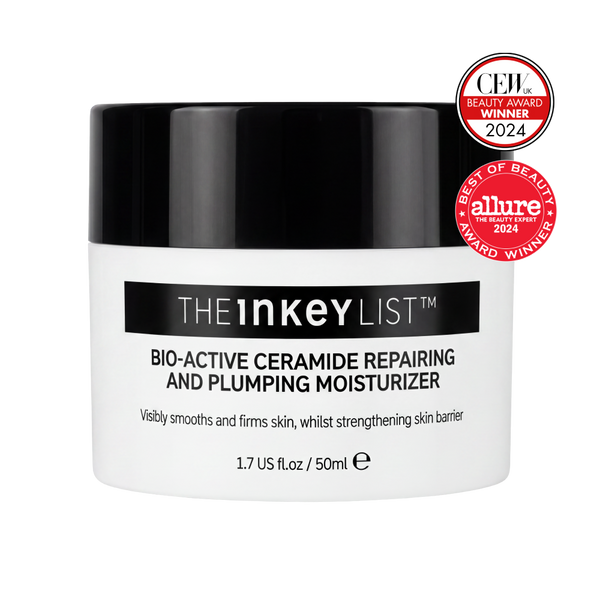
For dryness, tightness and barrier support: our Bio-Active Ceramide Moisturiser (£20.00). Ceramides are lipids that occur naturally in the skin barrier, so this supports that structure directly. The better option if your skin feels tight or looks flaky alongside red.
For combination skin needing hydration without weight: our Omega Water Cream. Lighter and oil-free, better suited to skin that is reactive but not dry.
Redness-prone does not automatically mean dry, and a heavy cream on skin that does not need one creates its own problems. Our full moisturiser range has other options if neither fits.
Consistency over complexity
A simple routine followed every day will do considerably more than a complicated one followed sporadically.
This is the least exciting advice in the article and probably the most important. Four steps done daily for three months beats eight steps done enthusiastically for a fortnight and then abandoned. Barrier support is cumulative, which means the routine only works if you actually keep doing it.
Build something you can maintain on a Tuesday evening when you are tired. That is the real test.
Our skincare routine guide covers step ordering in more detail, and our routine builder will assemble a sequence for you if you would rather not work it out yourself.
That is the core routine. The remaining question is what else can reasonably sit alongside it.
What to Pair Niacinamide With
The general principle for redness-prone skin: fewer actives, introduced one at a time, will always beat an ambitious routine assembled all at once. That holds regardless of how good the individual products are.
Pairs comfortably
Hydrating ingredients. Hyaluronic acid, glycerin and similar humectants sit alongside niacinamide without difficulty. Our serum already includes 1% hyaluronic acid for that reason.
Barrier-supporting moisturisers. Ceramides, fatty acids and squalane are pulling in the same direction. The most natural pairing in the routine.
Gentle, unfragranced basics. A mild cleanser and a comfortable moisturiser are the ideal supporting cast, and considerably more valuable than a second active.
If you are weighing hyaluronic acid against niacinamide and trying to decide which your skin needs, we have covered that comparison in full in hyaluronic acid vs niacinamide, so we will not duplicate it here.
Approach slowly
Not prohibitions. Things to introduce carefully, or to reconsider while skin is unsettled.
Physical scrubs. Mechanical exfoliation is a poor match for redness-prone skin. The friction alone aggravates the appearance of redness.
Daily high-strength acids. One of the most common causes of a compromised barrier. Weekly, or paused entirely, is a reasonable starting point for reactive skin.
Stacking several new products at once. Not inherently risky, but it removes your ability to identify what caused a problem when one arises.
We deliberately avoid absolutist “never mix” language, which tends to belong to the hype-driven end of skincare advice. The reasoning matters more than the rule, and once you understand why caution applies you can make sensible decisions about your own skin.
Azelaic acid as an evening counterpart
For readers already familiar with it, azelaic acid works as an optional evening step alongside a morning niacinamide step. Our 10% Azelaic Acid Serum for Redness Relief (£16.00) is our formulation there.
We are keeping this brief because the relevant questions are answered properly elsewhere. On whether azelaic acid earns its reputation for redness-prone skin, read does azelaic acid actually work for rosacea-prone skin. On whether the two can sit in the same routine, read azelaic acid and niacinamide, can you use them together. Our azelaic acid pagecovers the ingredient background.
The one thing to carry over from this article: introduce one active at a time. Adding both simultaneously to reactive skin is precisely the mistake we have been arguing against throughout.
If you have a specific targeted concern
For readers dealing with something more particular alongside the appearance of redness, our Supersolutions range is built for targeted concerns rather than general routine-building. Worth a look if the standard routine is not addressing everything, though the barrier work should still come first.
That covers the practical guidance. What remains are the questions that come up most often.
The Sensible Approach to Reducing the Appearance of Facial Redness
Reducing the appearance of redness on your face starts with supporting the barrier and simplifying the routine, not with finding a stronger product. Niacinamide is a well-tolerated daily step that can help skin look calmer over time, and it works best once the aggravating factors have been removed rather than layered on top of them.
Expect gradual improvement. Cumulative, unhurried, and dependent on consistency more than on intensity. That is genuinely how barrier support behaves, and knowing it upfront makes it far easier to stick with.
And if your redness is persistent, worsening or uncomfortable, speak to your GP. Skincare has a real role here, but it is not the whole answer and we would rather say so.
Clear guidance, proven ingredients, real results. That means being as precise about what an ingredient cannot do as about what it can.
If you would like to make niacinamide a daily barrier-supporting step, our 10% Niacinamide Serum is £12.00 and combines 10% niacinamide with 1% hyaluronic acid. You can also browse the redness-prone edit or build your routineif you would rather plan the whole sequence at once. There is no hurry with this, because the gradual approach is the one that works.
Frequently Asked Questions

Got a question?
Our askINKEY team are a friendly bunch of skincare experts with deep product knowledge and zero judgement. Whether you're an ingredient obsessive or just starting out, we'll make it make sense. No question too big. No question too small. We Give A Care, Every Day.


