

Combination Skin: What It Is, How to Identify It and Build a Routine

Combination skin is one of the most common skin types in the world - and one of the most misunderstood. Defined by zones of the face that behave differently from one another, it presents as an oily T-zone alongside normal or dry cheeks, making it tricky to treat with a one-size-fits-all approach. If you have ever found yourself reaching for mattifying products to control your forehead while your cheeks feel tight and stripped, you almost certainly have combination skin.
This guide covers everything you need to know: how to identify combination skin with reliable at-home tests, what causes it, how it differs from oily skin, the best AM and PM routine with specific product recommendations, the ingredients that work hardest for combination skin, the mistakes most people make, and answers to the questions we hear most often. Whether you are building a routine from scratch or troubleshooting one that is not delivering results, this is the resource you need.
If you already know your skin type and are ready to act, browse combination skin products now, or take the Skincare Quiz for a personalised two-minute routine recommendation built around your specific skin.
What Is Combination Skin and How Do You Know If You Have It?
Combination skin is a skin type characterised by different zones of the face behaving differently - specifically in terms of oil production, shine, and pore size. The most common pattern is an oily or shiny T-zone (the forehead, nose, and chin) combined with cheeks that feel normal, comfortable, or even slightly dry and tight. Pore size and texture can vary noticeably from one zone to another, with enlarged pores most visible around the nose and forehead while the cheeks tend to look smoother and less congested.
It is important to understand that combination skin is a skin type, not a skin concern. This is not a temporary condition triggered by a bad product or a change in the weather - it is your skin’s relatively stable baseline, determined largely by biology. Understanding that distinction is important because it shapes the approach you take: you are not trying to fix something broken, you are building a routine that works with your skin’s natural tendencies rather than against them.
How to identify combination skin: the Bare-Face Test
The most reliable way to determine whether you have combination skin is the bare-face test. It takes under an hour and requires nothing more than a gentle cleanser and natural light.
- Cleanse your face with a gentle cleanser and apply nothing else - no serum, no moisturiser, no SPF.
- Wait 30 minutes without touching your face.
- Find natural light and observe four key zones: forehead, nose, cheeks, and chin.
What you are looking for is a pattern: the T-zone (forehead and nose) appears shiny or feels oily and congested, while the cheeks feel normal and comfortable, or slightly tight and dry. If that pattern describes what you observe, combination skin is your most likely skin type.
Some people find the oiliness is concentrated almost entirely on the nose, with a relatively normal forehead. Others find dry or flaky patches appearing around the mouth or along the jaw rather than the cheeks. Combination skin is not one uniform presentation - it sits on a spectrum, and your version of it may look different from someone else’s.
The Blotting Paper Method
If you want a quicker reference point alongside the bare-face test, blotting paper is a useful tool. Press a sheet firmly to your T-zone - forehead, nose, and chin - and then use a separate sheet on your cheeks. If the T-zone paper comes away visibly oily and the cheek paper shows little to no oil, that pattern strongly indicates combination skin. If both sheets come away equally oily across the whole face, you may be looking at oily skin rather than combination.
Seasonal shifts and what they mean
One of the most confusing aspects of combination skin is that it behaves differently in different seasons. In summer, heat and humidity cause the sebaceous glands to produce more sebum, which can make the T-zone noticeably shinier and more prone to congestion. In winter, cold air and central heating strip moisture from the skin, making the cheek zones feel tighter, drier, and sometimes flaky. These shifts are a feature of combination skin, not evidence that your skin type has changed. You are not switching between oily and dry skin throughout the year - you are experiencing the same skin type responding to environmental conditions.
If you are still unsure which skin type best describes your skin, What’s Your Skin Type? is a useful starting point for working through the options clearly. You can also explore combination skin products once your skin type is confirmed.
With identification covered, the next logical step is understanding why combination skin behaves this way - which is where causes come in.
What Causes Combination Skin?
Understanding the causes of combination skin is not just academic - it directly informs how you treat it, which products you choose, and why certain ingredients work better than others. Combination skin is not caused by poor skincare habits (although bad habits can certainly make it worse). It has specific biological and environmental drivers that are worth knowing.
Genetics: the primary driver
The single biggest cause of combination skin is genetics. The distribution and density of sebaceous glands - the tiny glands in the skin that produce sebum - varies from person to person based on their genetic makeup. People with combination skin tend to have a higher concentration of sebaceous glands in the T-zone (forehead, nose, and chin) compared to the cheek area. This structural difference is what drives the zonal imbalance in oil production. There is nothing you can do to change this - your genetic blueprint determines where your oil glands are and how active they are.
This is why combination skin is not something you caused and not something you can eliminate. It is a biological reality that responds well to the right management approach.
Hormones and how they influence sebum
Hormones are the second major driver, and they explain why combination skin can feel more or less pronounced at different stages of life. Androgen hormones - including testosterone, which is present in varying levels in all bodies - directly stimulate sebaceous gland activity and regulate how much sebum the skin produces. During periods of hormonal fluctuation, the T-zone often becomes more reactive.
Puberty is the most obvious example, but it does not stop there. The menstrual cycle causes regular hormonal shifts that can affect how oily the T-zone appears throughout the month. Pregnancy, perimenopause, and certain contraceptives can all alter the hormonal balance in ways that amplify or reduce the oiliness of combination skin. This is why many people find their skin type feels more or less pronounced at different life stages - it is hormonally mediated, and it is normal.
Environmental factors
Where you live and the climate you are exposed to play a meaningful role in how combination skin presents. High humidity increases sebum production and can exacerbate the oiliness of the T-zone significantly. Cold, dry air - combined with the drying effects of central heating - reduces the moisture content of the skin, making the cheek zones feel tighter and more dehydrated. Pollution and UV exposure also affect barrier function over time, which can worsen the experience of dryness in the less-oily zones of the face.
These environmental factors do not change your skin type, but they change how intensely it presents, which is why a seasonal approach to your routine makes a real difference.
Product misuse as an amplifying factor
While product misuse does not cause combination skin, it can significantly worsen it. Several common mistakes make oiliness and dryness more pronounced simultaneously:
- Over-cleansing or using harsh, stripping cleansers removes the skin’s natural oils, which triggers the sebaceous glands to overcompensate by producing more sebum. The T-zone becomes oilier as a direct result of being over-stripped.
- Using heavy, occlusive moisturisers across the entire face - including the T-zone - can clog pores in oily areas without adequately addressing the different needs of the cheeks.
- Over-exfoliating disrupts the skin barrier, worsening both dry zones and reactive oiliness. This is one of the most common errors in combination skin routines.
- Using products formulated for fully oily skin across the whole face often dries out the cheeks while still not fully controlling the T-zone.
When excess sebum builds up in the T-zone, it also creates the conditions for congestion to develop. Understanding what causes clogged pores is useful context here, particularly if blackheads and blemishes in the nose and forehead area are part of your combination skin experience.
Age and the long-term picture
Skin type can evolve over time, even if it never disappears entirely. Sebum production naturally decreases with age, which means many people find their combination skin becomes progressively less oily as they move through their thirties and forties. Hormonal changes in later life - particularly around perimenopause and menopause - often shift the balance further towards dryness. This does not mean combination skin resolves on its own, but it does mean your routine may need to evolve alongside your skin over time.
Stress, poor sleep, and high-glycaemic diets can also influence sebum production and barrier function, though these effects tend to manifest as temporary flares rather than long-term changes to skin type.
Now that the biology is clear, the blog moves to one of the most genuinely confusing points for people with combination skin: the difference between combination skin and oily skin, and how to tell definitively which one you have.
Combination Skin vs. Oily Skin - How to Tell the Difference
The distinction between combination skin and oily skin is one of the most common points of confusion in skincare, and getting it right matters because the two types respond differently to products and routines. Misidentifying oily skin as combination skin - or vice versa - leads to product choices that either over-strip or under-address the actual concern.
The core distinction: whole-face vs. zonal oiliness
With oily skin, the entire face overproduces sebum. Shine, enlarged pores, and a greasy feeling are visible and present across all zones - including the cheeks. The forehead, nose, chin, and cheeks all behave in the same way. With combination skin, the oiliness is zonal. The T-zone presents as oily and congested, while the cheeks remain normal or dry. This pattern of differentiation between zones is the defining characteristic of combination skin.
Using the bare-face test to distinguish the two
After completing the bare-face test described in the first section, the most important area to observe is the cheeks. If your cheeks look shiny, feel greasy, and show enlarged pores after 30 minutes with no products applied, this pattern suggests oily skin. If your cheeks feel comfortable, normal, or tight while the T-zone is clearly oily and shiny, this is the combination skin pattern.
Pore size as an additional signal
Pore size distribution is another useful distinguishing factor. With oily skin, enlarged pores tend to appear across the entire face, including the cheeks. With combination skin, enlarged pores are most visible on the nose, chin, and forehead - the T-zone - while pores on the cheeks are smaller, less visible, or not a concern at all. This distribution reflects the underlying difference in sebaceous gland density between the two types.
How each type responds to products
People with fully oily skin often find that all moisturisers feel too heavy or occlusive - even lightweight formulas can feel like too much. People with combination skin, on the other hand, often find lightweight formulas perfectly adequate for the T-zone but occasionally insufficient for drier cheek zones, particularly in winter. This difference in product response is a practical real-world indicator of which type you are dealing with.
The blotting paper test also reveals a clear difference: with oily skin, oil is visible fairly evenly across the blotting paper from both the T-zone and cheek areas. With combination skin, the T-zone portion of the paper shows oil clearly, while the cheek portion shows little to none.
Why this distinction matters for product selection
Someone with oily skin can apply oil-controlling, pore-refining treatments more liberally across the whole face without risking over-drying. Someone with combination skin needs a more considered approach - using those same treatments on the T-zone while being more gentle with the cheeks. Getting this wrong is what leads people to feel like nothing works for their skin: they are either over-treating the dry zones or under-treating the oily ones.
One important point to clear up here: combination skin does not require two completely separate routines - one for the T-zone and one for the cheeks. Most steps can use the same product across the face. What changes is the amount applied in each zone and the strategic placement of targeted treatments. This is the principle that underpins the routine laid out in the next section.
Niacinamide is a particularly useful ingredient here because it addresses oil regulation without being too aggressive - making it relevant for oily skin and combination skin alike. Salicylic Acid similarly works well in the T-zone of both types, helping to clear congestion and manage sebum without stripping.
With clarity on skin type established, the blog now moves into the part most readers are here for: the actual routine.
The Best Skincare Routine for Combination Skin: AM and PM
The overarching principle for any combination skin routine is balance. The goal is not to strip the T-zone into submission or to pile hydration onto the cheeks at the expense of the oily zones. It is to find lightweight, multi-tasking formulas that serve both zones well, and to apply targeted treatments strategically where they are most needed.
“The real key with combination skin is adjusting how you apply, not always what you apply. A lighter hand on the cheeks with exfoliating toners, and a slightly heavier application over the T-zone with oil-controlling treatments, makes a significant difference.” - askINKEY Skincare Advisor
Zone-specific application: the technique that changes everything
Before stepping through the routine, it is worth establishing the application principle that runs throughout:
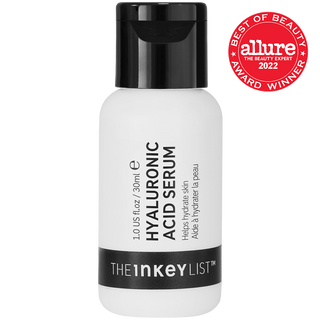
- Apply hydrating serums such as the Hyaluronic Acid Serum across the whole face - every zone benefits from lightweight water-based hydration.
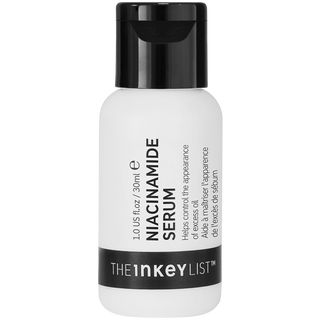
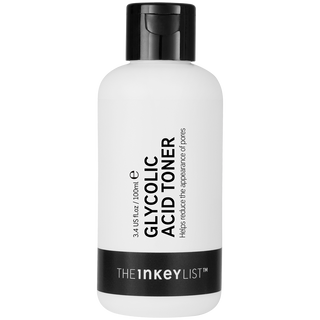
- Apply oil-controlling treatments such as the Niacinamide Serum and Glycolic Acid Toner more generously on the T-zone. On drier cheek zones, use a lighter hand or skip on days when the skin feels sensitive.
- Apply moisturiser across the whole face, choosing a formula lightweight enough for the T-zone but adequate for the cheeks.
- Apply SPF every morning across the whole face without exception.
This zone-aware approach does not require separate products for each area of the face - it simply requires attention to where and how much you are applying at each step.
The AM Routine
Step 1 - Cleanse
The morning cleanse removes the sebum and any products applied overnight without stripping the skin. Two options work well here depending on your combination skin profile:
- Salicylic Acid Cleanser (£12) - ideal if T-zone congestion, blackheads, or blemishes are your primary concern. Salicylic Acid is a BHA that penetrates the pore lining and clears excess sebum, making it particularly effective in the morning for oily-prone combination skin.
- Fulvic Acid Cleanser (£12) - better suited if your combination skin leans more balanced or if your cheeks are noticeably drier. A gentler option that still cleanses effectively without over-stripping.
In both cases, the key is a formula that removes without stripping. Harsh, alcohol-based cleansers or physical scrubs used in the morning will trigger compensatory sebum production in the T-zone and worsen oiliness over time.
Step 2 - Hydrate
Hyaluronic Acid Serum (£9). Apply to slightly damp skin for maximum absorption and effect.
Hyaluronic Acid is one of the most universally compatible ingredients for combination skin because it draws moisture into the skin without contributing any oil or clogging pores. It works across all zones simultaneously - providing the water-based hydration that even an oily T-zone needs - without making the oilier areas worse. Understanding Hyaluronic Acid and how it works at multiple molecular weights is worth reading if you want to go deeper on this ingredient.
Step 3 - Treat
Niacinamide Serum (£10). Apply across the face with a slightly more generous application over the T-zone.
10% Niacinamide is one of the most effective ingredients for combination skin. It regulates sebum production in the T-zone, minimises the visible appearance of enlarged pores, and calms any redness or uneven tone - all without drying out the cheeks. Because it is water-based and non-comedogenic, it works across all zones without the risk of clogging pores or worsening oiliness. Learn more about Niacinamide and what it does at the cellular level.
Step 4 - Moisturise
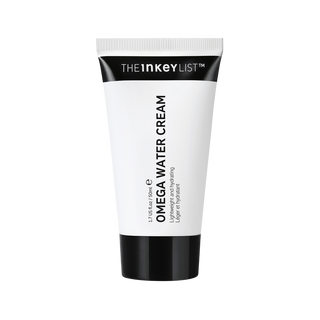
Omega Water Cream (£11). Apply across the face.
The Omega Water Cream is specifically well-suited to combination skin because of its formula profile: oil-free, lightweight, and clinically proven to balance oil production while providing meaningful hydration. It contains 5% Niacinamide alongside an Omega Fatty Acid Complex and Glycerin - a combination that addresses both the hydration needs of normal-to-dry zones and the oil-balancing needs of the T-zone in a single step. This is not a heavy cream that will sit on the skin or congest pores - it absorbs quickly and leaves no residue.
Step 5 - SPF
Dewy Sunscreen SPF 30 (£15). Final step every morning, applied across the whole face.
SPF is non-negotiable for every skin type, and combination skin is no exception. UV exposure damages the skin barrier over time, worsening the experience of both dryness in the cheeks and congestion in the T-zone. A well-formulated, lightweight SPF will not significantly worsen oiliness when applied over a mattifying routine. For more on choosing and using SPF, see the SPF Guide.
The PM Routine
Step 1 - First Cleanse (double cleansing recommended in PM)
Oat Cleansing Balm (£15). Use as a first cleanse on dry skin.
The Oat Cleansing Balm melts away makeup, SPF, and the day’s build-up in around 30 seconds. Massage it into dry skin, then add a little water to emulsify before rinsing away. It is soothing, barrier-friendly, and suitable for all skin types including combination skin - it removes without stripping and does not trigger the compensatory oil production that harsher first cleansers can cause.
Step 2 - Second Cleanse
Follow with either the Salicylic Acid Cleanser (£12) or the Fulvic Acid Cleanser (£12), depending on your combination skin profile (same logic as the AM cleanse step applies here).
Step 3 - Exfoliate (2-3 times per week only, not daily)
Glycolic Acid Toner (£13). Apply with a cotton pad, focusing on the T-zone and using a lighter hand on the cheeks.
Glycolic Acid is an AHA (alpha-hydroxy acid) that exfoliates the skin surface, removing the build-up of dead skin cells that contributes to T-zone congestion and dullness in drier zones. Used 2-3 times per week - not daily - it helps to refine pore appearance, brighten overall skin tone, and improve texture. Limiting frequency is essential for combination skin: daily use will compromise the barrier of drier cheek zones and cause sensitivity and redness. In winter, consider reducing to once per week and monitoring how the skin responds.
Step 4 - Hydrate
Hyaluronic Acid Serum (£9). Apply to damp skin before it dries completely.
The same logic as the AM routine applies here. Apply to damp skin to allow the humectant to draw moisture in effectively rather than drawing moisture out of the skin when the environment is dry.
Step 5 - Treat
Niacinamide Serum (£10). Focus application on the T-zone in the PM routine.
In the evening, the Niacinamide Serum works to regulate overnight sebum production and support the skin’s natural repair process. Focusing application on the T-zone in the PM is appropriate since the cheeks do not require the same level of oil-control treatment.
Step 6 - Moisturise
Two options here, depending on where your combination skin sits on the spectrum:
- Omega Water Cream (£11) - the everyday choice for combination skin that leans oily to normal. Lightweight and oil-free, it provides sufficient overnight hydration without congesting the T-zone.
- Bio-Active Ceramide Moisturiser (£19) - the better option if your cheeks are notably drier, if you are in a cold or low-humidity environment, or if you feel your skin barrier needs additional support. This can be applied specifically to the cheek zones in PM for deeper repair, while the Omega Water Cream covers the T-zone.
For readers who want support building a personalised combination skin routine, Build Your Own Routine and save up to 20% using the Bundle Builder, or take the Skincare Quiz for a two-minute personalised recommendation. You can also explore The Complete Skincare Guide for a deeper overview of routine-building principles that apply across skin types.
With the routine mapped out step by step, the next section unpacks the ingredients at the heart of these products and explains exactly why they work so effectively for combination skin.
The Best Ingredients for Combination Skin and What to Avoid
The INKEY List is an ingredient-led brand. Understanding what goes into the products you use - and why it is there - helps you make better decisions about what your skin actually needs. The following ingredients are particularly well-suited to combination skin and appear throughout the routine steps above.
Ingredients to Look For
Niacinamide (Vitamin B3)
Niacinamide is arguably the single most useful ingredient for combination skin. It regulates sebum production in the T-zone without stripping, minimises the visible appearance of enlarged pores, calms redness and uneven tone, and is suitable across all zones of the face. It is water-based, non-comedogenic, and compatible with virtually every other ingredient in a routine. The Niacinamide Serum (£10) delivers a 10% concentration - one of the most effective and well-researched concentrations for visible results. For a deeper understanding of what this ingredient does at the skin level, the Niacinamide page is worth reading.
Hyaluronic Acid
Hyaluronic Acid is a humectant - it draws water into the skin rather than sitting on top of it or adding oil. This makes it ideal for combination skin because it hydrates all zones without contributing to T-zone oiliness or clogging pores. It works at multiple molecular weights to hydrate different depths of the skin simultaneously. Apply the Hyaluronic Acid Serum (£9) to damp skin for best results - this allows it to draw in external moisture rather than pulling from deeper skin layers. Read more about Hyaluronic Acid and why damp application matters.
Salicylic Acid (BHA)
Salicylic Acid is oil-soluble, which means it can penetrate the pore lining directly - unlike water-soluble AHAs which work on the skin surface. This makes it uniquely effective at dissolving excess sebum from within the pore, reducing blackheads, and preventing the congestion that builds up in the T-zone of combination skin. Using it in a cleanser format - like the Salicylic Acid Cleanser (£12) - rather than as a leave-on treatment is the smarter approach for combination skin, as it ensures the active is in contact with the T-zone where it is most needed without leaving it sitting on the drier cheeks. Learn more about how Salicylic Acid works and why it is the preferred BHA for blemish-prone skin.
Glycolic Acid (AHA)
Glycolic Acid works on the skin surface, loosening the bonds between dead skin cells and accelerating exfoliation. For combination skin, this helps to address two concerns simultaneously: congestion and surface build-up in the T-zone, and dullness or uneven texture in the cheek zones. The Glycolic Acid Toner (£13) is an effective and accessible delivery format - applied with a cotton pad, it allows for targeted T-zone application while being used with a lighter touch on the cheeks. Limiting use to 2-3 times per week is non-negotiable for combination skin to avoid over-exfoliating the more delicate zones.
Ceramides
Ceramides are lipid molecules that form a critical part of the skin’s barrier structure, helping to retain moisture and prevent water loss from drier zones. They are particularly valuable for combination skin where the cheeks are notably dry or show signs of barrier damage - often caused by using overly drying products across the whole face. The Bio-Active Ceramide Moisturiser (£19) provides concentrated barrier support and works particularly well on the cheeks in PM, or as the primary moisturiser for combination skin that leans drier overall.
Omega Fatty Acids
Omega fatty acids support the skin’s lipid barrier and help regulate sebum balance. The Omega Water Cream (£11) uses an Omega Fatty Acid Complex alongside Glycerin and 5% Niacinamide to simultaneously address oil balance and hydration in a single formula - a particularly efficient choice for combination skin that wants streamlined routines without compromising on results.
Ingredients to Avoid (or Use With Caution)
Not every ingredient that works for dry or oily skin is a good fit for combination skin. The following are worth approaching carefully:
Heavy oils and occlusive ingredients applied across the whole face: Ingredients like mineral oil, petrolatum, and thick shea or coconut butter applied generously to the T-zone can worsen congestion and contribute to blackheads. These ingredients are perfectly appropriate on dry cheek zones - the problem is applying them indiscriminately across the whole face. Zone-aware application is key here.
Alcohol-based astringent toners: Products containing ethanol or isopropyl alcohol as a primary ingredient strip the skin of its natural oils, which triggers a cycle of compensatory sebum overproduction in the T-zone. The T-zone becomes oilier, not less oily, as a result. These are among the most counterproductive products for combination skin.
Frequent physical scrubs: Abrasive physical exfoliants - microbeads, walnut shells, sugar scrubs - can cause micro-tears in the skin and increase inflammation, particularly on drier zones. Chemical exfoliants like Glycolic Acid and Salicylic Acid used at appropriate frequencies are a significantly better choice.
Fragrance-heavy formulas on sensitised zones: Drier areas of combination skin can be reactive, and fragranced products applied to these zones can trigger irritation and redness. Choosing fragrance-free formulas where possible - particularly for leave-on products like serums and moisturisers - reduces this risk meaningfully.
Rich, comedogenic moisturisers applied across all zones: Using a very thick cream formulated for dry skin across the entire face risks clogging pores in the T-zone without providing the targeted barrier support that only the drier zones actually need. Understanding what causes clogged pores helps explain why the right moisturiser choice matters so much for oily and combination skin.
With the ingredient layer understood, the guide moves into the practical territory of common errors, persistent myths, and how to adjust your routine as the seasons change.
Common Mistakes, Myths, and Seasonal Adjustments for Combination Skin
Even with the right products, combination skin can feel impossible to manage if the approach is off. The following section covers the most common mistakes that undermine combination skin routines, the myths that persist despite the evidence, and the seasonal adjustments that make a real difference to how balanced the skin feels throughout the year.
Common Mistakes
Over-cleansing or double-cleansing twice daily
Double cleansing is a highly effective PM technique for removing makeup, SPF, and the day’s build-up. But applying it in the morning as well - or over-cleansing the oily T-zone multiple times throughout the day - strips the skin barrier and triggers a compensatory response: the sebaceous glands produce more oil to replace what has been removed. The result is a T-zone that becomes oilier over time, not less. A single gentle cleanse in the morning is sufficient for almost all combination skin types.
Applying the same amount of product everywhere
Zone-specific application is not about using different products - it is about adjusting how much you use in each area. Applying the same amount of Glycolic Acid Toner to the dry cheeks as to the T-zone will over-strip the cheeks while appropriately treating the T-zone. Using a heavier application of oil-controlling treatments on the T-zone and a lighter hand on the cheeks is a simple adjustment that significantly improves results.
Skipping moisturiser on the T-zone
This is one of the most common errors in combination skin routines. The logic seems intuitive - if the skin is already oily there, why add more? But oil and water are not the same thing. The T-zone can overproduce sebum while simultaneously lacking adequate water content. Skipping moisturiser signals to the skin that it needs to produce more oil to compensate, which makes oiliness worse. The solution is not to skip but to choose a lightweight, oil-free formula like the Omega Water Cream (£11) that hydrates without clogging.
Using products formulated for fully oily skin across the whole face
Fully oily skin products are designed to control oil and minimise hydration across every zone. Applied to the cheeks of someone with combination skin, they often cause dryness, tightness, and barrier disruption. Choose products formulated specifically for combination skin, or use application technique to moderate the effect of oily-skin formulas on drier zones.
Exfoliating too frequently
The Glycolic Acid Toner (£13) used daily is one of the most common causes of sensitised, compromised skin in people who think they are doing everything right. Daily exfoliation - particularly across the drier cheek zones - compromises the barrier, causes redness, and creates the kind of sensitised, reactive skin that is difficult to settle. Two to three times per week is the maximum for most combination skin types, with a reduction to once per week in winter or during periods of skin sensitivity.
Ignoring SPF
A well-founded concern about SPF feeling heavy or greasy is sometimes used as a justification for skipping it entirely. This is a significant mistake. UV exposure damages the skin barrier over time, worsens pigmentation, and contributes to premature skin changes. A well-formulated, lightweight SPF - like the Dewy Sunscreen SPF 30 (£15) - will not meaningfully worsen oiliness when applied over a balanced routine. Sun protection should be the last AM step, always.
“Skipping moisturiser on your T-zone is one of the most counterproductive things you can do for combination skin. Your skin responds to being stripped by producing more oil - which is the opposite of what you want. Go lightweight and oil-free, but never skip the step entirely.” - askINKEY Skincare Advisor
Myth-Busting
Myth: “Combination skin means you need two completely different routines for your face.”
Reality: Most steps in a combination skin routine use the same products across the whole face. What varies is application amount and targeted placement. A separate T-zone routine and cheek routine is neither necessary nor practical for the majority of people with combination skin.
Myth: “Oily skin doesn’t need hydration.”
Reality: Sebum (oil) and water are entirely different things. The skin can be simultaneously overproducing oil in the T-zone and lacking water content throughout. Applying a lightweight humectant like Hyaluronic Acid is essential even for oily zones - it will not make oiliness worse and can actually improve skin balance over time.
Myth: “Combination skin eventually evens out on its own.”
Reality: Skin type is genetically determined and relatively stable. While it can shift with age and hormonal changes, it does not self-correct without active management. Building the right routine and maintaining it consistently is what produces visible, lasting balance.
Myth: “You can fix or cure combination skin.”
Reality: The goal is not to change your skin type - it is to manage it effectively so it looks and feels balanced. Combination skin is not a problem to be solved; it is a skin profile to be understood and worked with.
Myth: “Natural oils like coconut oil are safe for the oily T-zone.”
Reality: Many natural oils are highly comedogenic - they block pores and worsen congestion. Coconut oil in particular has a high comedogenicity rating and is not appropriate for use on oily or blemish-prone zones. Natural does not automatically mean suitable for your skin type.
Seasonal Adjustments
Summer: Heat and humidity amplify sebum production. In warmer months, the T-zone may become noticeably more oily and congested. Using the Salicylic Acid Cleanser (£12) consistently through summer - morning and evening - is a smart adjustment. Consider reducing the frequency of richer moisturisers on the oily zones. SPF becomes even more important: reapply throughout the day as needed.
Winter: Cold air and central heating reduce moisture levels in the skin, making the cheek zones notably drier and sometimes tight or flaky. Consider adding the Hyaluronic Acid Serum (£9) to both AM and PM routines during colder months. The Bio-Active Ceramide Moisturiser (£19) used specifically on the cheeks in PM provides deeper barrier support during periods of environmental stress. Reduce exfoliation frequency to once per week and monitor how the skin responds.
Transition seasons: As the weather shifts between summer and winter, the skin often needs time to recalibrate. Rather than switching products entirely, adjust the weight and frequency of what you apply. Reassess the routine at the start of each major seasonal change and make incremental adjustments rather than wholesale overhauls.
With the practical guidance and myth-busting covered, the final section addresses the questions we hear most often about combination skin - providing clear, self-contained answers to the most common residual queries.
Frequently Asked Questions About Combination Skin
Can combination skin change over time?
Yes, though it remains relatively stable throughout most of adult life. Hormonal shifts - including those that come with puberty, pregnancy, perimenopause, and menopause - can make combination skin feel more or less pronounced at different life stages. Sebum production naturally decreases with age, which means the oilier T-zone element of combination skin often becomes less intense over time. Climate changes and long-term routine adjustments can also alter how the skin presents. Reassess your routine at least twice a year - ideally at the start of summer and winter - and adjust product weights and frequencies to match what your skin needs at that point.
Is combination skin the same as having dehydrated skin?
No. These are two different things and the distinction matters. Combination skin is a skin type - it describes the structural and biological tendency of different zones of the face to produce different amounts of oil. Dehydrated skin is a skin concern - a temporary or chronic lack of water content in the skin cells - that can occur on any skin type, including combination. It is entirely possible to have an oily T-zone and dehydrated cheeks simultaneously, which is why lightweight humectant hydration with something like Hyaluronic Acid Serum (£9) is essential even for the oilier zones. Reaching for a richer, oil-based moisturiser to address dehydration in the cheeks while having an oily T-zone will often cause more problems than it solves.
What is the best cleanser for combination skin?
The best cleanser for combination skin removes excess oil and impurities without stripping the skin barrier. The Salicylic Acid Cleanser (£12) is ideal for T-zone congestion and blemish-prone combination skin, using its BHA action to clear sebum from within the pore. The Fulvic Acid Cleanser (£12) suits combination skin that leans more balanced or where the cheeks are notably drier - it cleanses effectively without the additional exfoliating action. In the PM, beginning with the Oat Cleansing Balm (£15) as a first cleanse ensures makeup and SPF are fully removed before the second cleanse, without disrupting the moisture balance of drier zones.
What is the best moisturiser for combination skin?
The best moisturiser for combination skin is lightweight, non-comedogenic, and adequately hydrating for normal-to-dry cheek zones without adding to T-zone oiliness. The Omega Water Cream (£11) meets all of these criteria: it is oil-free, contains 5% Niacinamide, and is clinically proven to balance oil while providing meaningful hydration. For combination skin where the cheeks are notably drier or where barrier function is compromised, the Bio-Active Ceramide Moisturiser (£19) applied specifically to the cheek zones in PM provides deeper barrier repair alongside the Omega Water Cream on the T-zone.
Can I use retinol on combination skin?
Yes. Retinol benefits combination skin by supporting cell turnover, reducing the visible appearance of enlarged pores, and improving skin texture over time. Introduce it gradually - starting at one to two nights per week - and apply only in the PM routine. If the cheeks are dry or sensitive, applying the Hyaluronic Acid Serum (£9) before the retinol on those specific zones can reduce the potential for irritation without compromising efficacy on the T-zone. The Retinol Serumis a well-tolerated starting point for combination skin.
Should I exfoliate if I have combination skin?
Yes, but the frequency and method matter significantly. Chemical exfoliation with the Glycolic Acid Toner (£13) two to three times per week is appropriate for most combination skin types. Focus application on the T-zone and use a lighter hand on the cheeks. Reduce frequency in winter or during any period when the skin feels sensitised or reactive. Avoid daily exfoliation, which will compromise the barrier particularly in drier zones and can lead to increased redness, flakiness, and reactivity over time.
How do I know if my combination skin routine is working?
A well-balanced combination skin routine produces noticeable, consistent signs of improvement. Look for: reduced shine in the T-zone throughout the day without tightness or dryness; fewer blackheads and blemishes on the nose and forehead; cheeks that feel comfortable and hydrated rather than tight or flaky; and a more even skin texture across zones overall. Routine changes typically take four to six weeks to produce visible results. Consistency is more important than frequency of adjustment - stick with your chosen routine and allow adequate time before assessing whether changes are needed.
Is combination skin more common in certain age groups?
Combination skin is most pronounced during periods of higher hormonal activity - typically through the teens, twenties, and thirties. As hormone-driven sebum production decreases naturally with age, many people find the oilier characteristics of their combination skin become less pronounced, with the skin gradually trending drier overall. However, individual variation is significant, and there is no single age at which combination skin resolves or changes for everyone.
Can diet affect combination skin?
Diet can influence skin behaviour at the margins, though it is rarely the primary driver of skin type. High-glycaemic diets have been associated with increased sebum production and breakout activity in some research. Adequate hydration supports general skin health. However, diet alone will not change your fundamental skin type or produce the level of change that the right routine and products will. Routine and product choices have a far more consistent and significant effect than dietary changes for most people with combination skin.
Do I need different products for different zones of my face?
Not necessarily - but you do need to think about different application approaches. Most combination skin types can use the same cleanser, serum, and moisturiser across the whole face, adjusting the amount applied in each zone and focusing certain targeted treatments more heavily on the T-zone. For readers who prefer fully personalised guidance rather than a one-size approach, take the Skincare Quiz for a routine built around your specific skin in two minutes.
Getting Combination Skin Under Control: The Key Takeaways
Combination skin is common, manageable, and - once properly understood - not particularly complicated to work with. It is a skin type characterised by zonal differences in oil production, driven primarily by genetics and influenced by hormones, environment, and product choices. The goal has never been to change it. The goal is to build a routine that balances both zones without over-treating or under-treating either.
The most important shift in mindset for combination skin is moving from one-size-fits-all product selection to zone-aware application. The right products used with attention to where and how much you apply them make a greater difference than the most expensive ingredients used indiscriminately. Lightweight formulas, consistent use of Niacinamide and Hyaluronic Acid, targeted BHA and AHA exfoliation in the T-zone, and a SPF that you actually use every day - these are the pillars of a combination skin routine that works.
Results take time. Four to six weeks of consistent routine use is the minimum for meaningful change to become visible. Stay with it, adjust seasonally, and avoid the temptation to constantly switch products before giving your current routine a fair chance to perform. Better-balanced skin is not an overnight achievement - it is the result of consistent, informed choices made over time.
Ready to build your combination skin routine? Shop all combination skin products or build your personalised routine and save up to 20%.
Not sure where to start? Take the Skincare Quiz for a personalised routine built around your skin in two minutes.
Keep exploring:
- What’s Your Skin Type? - for readers still exploring their skin type
- The Complete Skincare Guide - for a deeper look at routine-building principles
- What Causes Clogged Pores? - essential reading if T-zone congestion is your main concern