

Are pore strips bad for your skin?

Pore strips are one of the most widely recognised skincare tools for tackling blackheads and congested pores. Walk down any pharmacy aisle and you’ll find them prominently displayed, promising cleaner, clearer skin in minutes. The appeal is straightforward: apply, wait, peel, and watch the debris come away. Simple. Satisfying. Immediate.
But the science behind how pore strips actually work - and what they do to your skin in the process - tells a more complicated story. The short-term visual result is real. The long-term benefit is not. And for certain skin types, repeated use can actively work against the skin’s health rather than supporting it.
This guide cuts through the noise. We’ll cover the adhesive mechanism behind pore strips, whether they actually remove blackheads and for how long, the evidence on skin barrier damage and irritation, the pore-enlargement question, which skin types should avoid them entirely, and - most importantly - the ingredient-led alternatives that deliver real, lasting results without the trade-offs.
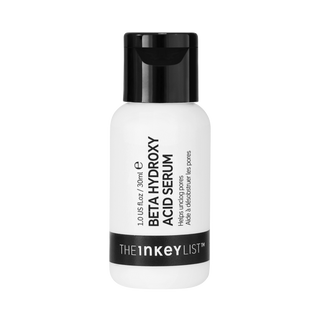
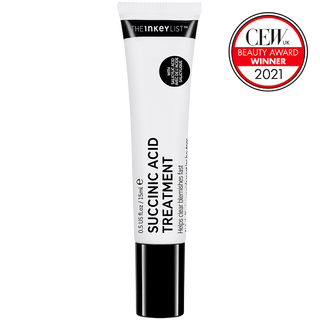
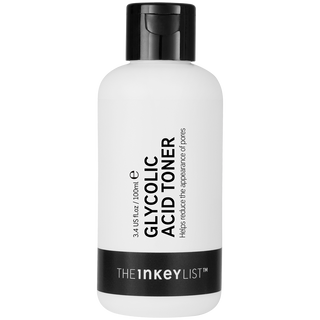
Those alternatives include products built around the actives that dermatologists actually recommend for congested skin: our Salicylic Acid Cleanser (£12), Beta Hydroxy Acid (BHA) Serum (£10), 10% Niacinamide Serum (£10), Succinic Acid Treatment (£11), and Glycolic Acid Toner (£13). Each one features later in this guide, explained in full.
What This Guide Covers
This guide covers everything you need to know about pore strips and why ingredient-led alternatives work better for long-term skin clarity.
- What pore strips are and how the adhesive mechanism works
- Whether they actually remove blackheads - and for how long
- The evidence on skin barrier damage and irritation
- The pore-enlargement question - addressed with evidence
- Which skin types and conditions should avoid pore strips entirely
- Ingredient-led alternatives that work inside the pore, not just at the surface
- How to build a simple preventative routine
- Frequently asked questions
What Pore Strips Are and How the Adhesive Works
Pore strips are small fabric or plastic strips coated with a strong adhesive. That adhesive activates when the strip is pressed against damp skin - most commonly across the nose or T-zone. The concept is simple enough: the adhesive bonds to whatever is sitting at or near the pore opening, and when the strip is peeled away, it pulls that content out with it.
What does it actually bond to? Dead skin cells, oxidised keratin, sebum (the natural oil your skin produces), and general environmental debris that has settled into the pore opening. New York City-based dermatologist Dr. Sejal Shah, founder of Smarter Skin Dermatology, describes pore strips as being like a strong Band-Aid - one that works by wicking away all the pore-clogging dirt, grime, and debris when it is ripped off. That analogy is useful because it captures both how the mechanism works and what its limits are. A Band-Aid doesn’t distinguish between healthy skin and the debris it’s meant to pull away. Neither does a pore strip.
It’s worth noting that pore strips cannot distinguish between a true blackhead and a sebaceous filament. Sebaceous filaments are naturally occurring collections of sebum and dead skin cells that line the pore canal and play a role in maintaining the skin’s oil balance - they are a normal part of skin anatomy, not a problem to be solved. Pore strips will remove both, which means that some of what looks so satisfying on the back of a used strip may not have been congestion at all. For a full breakdown of what blackheads are and what causes them, see our complete blackheads guide.
What pore strips do not do is equally important to understand. They work only at the surface level - specifically, at or just below the pore opening. They do not penetrate into the pore canal itself. They do not dissolve sebum. They do not regulate oil production or address any of the underlying causes of congestion. This is the fundamental limitation that everything else in this guide builds on.
It’s also worth noting that most commercially available pore strips contain additional additives beyond the adhesive itself - astringents, fragrances, and other ingredients that can compound irritation beyond the mechanical action of the peel. The adhesive alone is doing the heavy lifting, but these extras add their own layer of risk, particularly for sensitive skin types. That detail becomes more significant when we look at the evidence on skin barrier damage in a later section.
Having established what pore strips do mechanically, the next question is whether they actually deliver on their headline promise of blackhead removal - and how long any result lasts.
Do Pore Strips Actually Remove Blackheads?
Yes. And also, not really. Both answers are true, and the distinction between them is where the honest conversation about pore strips begins.
In the short term, pore strips can remove the visible contents of a pore. An older study published in the International Journal of Cosmetic Science found that strips effectively remove blackheads - a result that aligns with what most people experience when they use them. You pull the strip away, you see the debris, and the skin looks cleaner. That part is real.
The limitation is the timescale. Blackheads - and the sebaceous filaments that pore strips also remove - typically refill within days to a few weeks. The pore doesn’t stay clear. It restocks. And the strip has done nothing to slow that process down.
Pore strips can help (very) temporarily to improve the appearance of pores, but there is no permanent change or improvements to the skin achieved with such a strip.
Dr. Adam Friedman, professor of dermatology at George Washington University School of Medicine and Health Sciences, is equally direct: “Strips will not stop black or whiteheads from happening or shrink pores. They are simply a temporary cosmetic fix.”
The reason they are temporary is rooted in cause and effect. Pore strips address the result of congestion - the visible blackhead sitting in the pore opening - but they leave the underlying causes completely untouched. Excess oil production continues. Dead skin cells continue to accumulate. The skin’s bacterial environment remains unchanged. Without addressing any of those root factors, the pore will refill on the same cycle it always has. The strip buys time. It doesn’t change the outcome.
There is also a significant practical variable at play: efficacy depends heavily on correct application. The skin must be damp before application. The strip must lay completely flat across the nose. The adhesive must be given enough time to fully bond - typically ten to fifteen minutes. Nose shape, skin texture, how recently you’ve applied moisturiser or sunscreen, and even ambient humidity can all affect whether the strip makes proper contact. When it doesn’t, the result is minimal. Dr. Friedman notes that failing to wet the skin first, or failing to ensure the strip makes full contact with all the creases of the nose, will significantly reduce how well the strip works.
The appeal of pore strips is understandable. The instant, visible result is genuinely satisfying in a way that a serum applied at night and assessed over eight weeks simply is not. But that satisfaction is borrowed against a pore that will refill within days - and potentially borrowed against the health of your skin barrier, which the next section addresses directly.
If you want to understand what’s causing your pores to keep congesting in the first place, read our guide: What Causes Clogged Pores?
Are Pore Strips Bad For Your Skin? What the Evidence Shows
The concern with pore strips isn’t just that they don’t work long-term. It’s that repeated use can actively work against the skin - compromising its protective barrier, triggering irritation, and leaving skin more vulnerable than it was before.
This is the section where the evidence matters most, and the dermatologist consensus is consistent.
The adhesive doesn’t discriminate. This is the core of the problem. The adhesive in a pore strip is strong by design - it needs to be powerful enough to pull debris out of a pore opening. But it doesn’t selectively bond to blackhead content. It bonds to everything it contacts on the skin surface, including the outermost layers of skin cells and the natural oils that form part of the skin’s protective barrier. When the strip is peeled away, it removes all of it together.
Dr. Blair Murphy-Rose, a board-certified dermatologist at the Laser and Skin Surgery Center of New York, is explicit on this point: pore strips “can irritate skin and often do more harm than good” precisely because the adhesive sticks not just to the dirt inside pores, but to the skin around the pores. That skin - the area surrounding the pore opening - is being pulled and stressed every time a strip is used.
The skin barrier and why it matters. Your skin barrier is the outermost layer of the skin. Its job is twofold: it keeps moisture locked in and it keeps irritants, bacteria, and environmental aggressors locked out. When it functions well, skin stays hydrated, calm, and resilient. When it is compromised - stripped of its natural oils and surface cells - skin becomes more reactive, more prone to redness and sensitivity, and less able to regulate itself. Repeated pore strip use strips away part of this protective layer each time. Over time, that cumulative disruption can make skin chronically more vulnerable, even between uses.
The additives make it worse. Dr. Mona Gohara, a board-certified dermatologist and clinical professor at Yale, points out that many pore strips are formulated with astringents as part of the strip’s composition. Astringents are inherently drying. Layering the mechanical stress of adhesive removal on top of an astringent-based formula creates a compounding effect - the strip strips, and the astringent dries, and the skin bears the cost of both simultaneously.
No one should use them frequently, as it increases the chance of damage and sensitivity.
The physical force of removal is not trivial. Pulling a pore strip off - particularly one that has bonded well to the skin - requires real force. This mechanical trauma to the skin, especially around the delicate nose area, causes micro-irritation and visible redness even after a single use. In someone who uses strips regularly, that low-grade trauma accumulates. The skin around the nose is thinner and more reactive than many other facial areas, which makes the repeated pulling and peeling more impactful than it might seem in the moment.
Frequency is the multiplier of risk. Even dermatologists who acknowledge that some individuals may tolerate occasional pore strip use are unanimous on one point: frequent use significantly raises the risk of damage. Dr. Gohara is unambiguous - no one should use them frequently, because the chance of skin damage and heightened sensitivity increases with every use. For most people, the risk-to-benefit ratio simply doesn’t support regular use as part of a skincare routine.
According to Healthline’s coverage of nose strip risks, when sebaceous filaments are removed by pore strips, pores can become exposed to potentially irritating dirt and oils - meaning the act of clearing the pore opening may leave it more vulnerable in the immediate aftermath, not less.
Later in this guide, we cover the ingredients that actually work inside the pore rather than just at the surface - starting with salicylic acid, the gold-standard BHA for congestion.
One of the most persistent myths around pore strips is that they can physically enlarge pores over time. The next section addresses that concern directly, with the evidence needed to separate fact from fear.
Do Pore Strips Enlarge Your Pores?
Can pore strips actually make your pores bigger? It’s one of the most common concerns raised about regular pore strip use, and it’s worth addressing clearly - because the answer requires some nuance.
The direct answer: pore strips do not permanently enlarge pores. The structural size of a pore is determined primarily by genetics, skin type, and the volume of content inside it. Pores do not have muscles. They cannot open and close in the way that is often described in skincare marketing. Hot water does not “open” them. Cold water does not “close” them. These are persistent myths with no anatomical basis.
What determines how large a pore appears is largely what is inside it. When a pore is filled with sebum, dead skin cells, and oxidised debris, the walls of the pore are stretched to accommodate that volume. The pore looks larger because it is, in that moment, holding more. When the content is removed - which is exactly what a pore strip does - the pore can appear temporarily smaller. As Healthline notes: “While you might not be able to rid your skin of pores, it’s true that nose strips can temporarily make pores look smaller.” This is the visual benefit that gives pore strips part of their appeal, and it is a real, if fleeting, effect.
Why is it fleeting? Because as soon as oil production and skin cell turnover resume their natural cycle - which begins immediately - the pore refills. Within days to a few weeks, the pore is back to its previous appearance. The visual benefit dissolves on the same timeline as the result of the strip itself.
The more relevant concern is not that pore strips physically stretch pores, but that chronic, repeated use may make pores look worse over time through a different mechanism entirely. When the skin surface is repeatedly stripped and irritated, it can trigger low-grade chronic inflammation. Inflamed, stressed skin tends to look less smooth and even, which can make pores appear more prominent - not because the pore itself has changed structurally, but because the surrounding skin is in a compromised state. The pore becomes more visible against skin that is reactive and rough rather than calm and even-toned.
The verdict: pore strips are not a direct cause of permanently enlarged pores. But they are also not an effective tool for reducing pore appearance over time. The ingredients that actually deliver on that outcome - particularly BHA and niacinamide - work by addressing the root causes of congestion and regulating oil production, which translates to genuinely clearer-looking pores with consistent use.
Beyond pore appearance, there are specific groups of people for whom pore strips present a more serious risk - and who should avoid them entirely.
Who Should Definitely Avoid Pore Strips
While pore strips carry some degree of risk for most users, there are specific skin types and conditions where the risks are substantially higher. For these groups, dermatologists are consistent in their advice: avoid pore strips altogether.
Sensitive skin is perhaps the most straightforward contraindication. The adhesive used in pore strips is aggressive by design. On sensitive skin - which by definition reacts more intensely to topical irritants and mechanical stress - the result is often immediate: redness, stinging, prolonged reactivity, and sometimes visible irritation that takes days to resolve. The temporary visual benefit of clearer-looking pores is rarely worth the inflammatory response for this skin type.
Eczema (atopic dermatitis). Dr. Blair Murphy-Rose is unambiguous on this point: “If you have sensitive skin or have eczema, you should stay away from these strips.” The skin barrier in eczema-prone skin is already compromised at a structural level - it is more permeable, more reactive, and more prone to flares when exposed to irritants. Applying and then forcefully removing a strong adhesive from eczema-prone skin risks triggering a significant flare-up, and potentially worsening the condition in the area around the nose and T-zone.
Rosacea. Pore strips involve two things that are well-documented triggers for rosacea flares: physical force applied to the skin, and astringent-containing formulas. Both can trigger flushing, redness, and visible vascular reactions in rosacea-prone skin. The nose and central face - the primary area where pore strips are used - are also the most common sites of rosacea activity, making this a particularly ill-suited combination.
Skin using active retinoids or exfoliating acids. Anyone currently using retinol, prescription retinoids, or high-concentration exfoliating acids should not apply pore strips to the same areas. These treatments work by accelerating skin cell turnover and thinning the uppermost layers of the skin surface. Applying an aggressive adhesive to skin that is already sensitised by active exfoliation significantly raises the risk of damage, including surface tears, broken capillaries, and prolonged redness.
Dry or dehydrated skin. The adhesive removal strips away natural oils that dry skin is already lacking. For those with dry skin, using pore strips consistently is likely to worsen dryness, increase tightness, and strip away what little protective barrier the skin has been working to maintain.
Sunburned, broken, or compromised skin. This is non-negotiable: never apply a pore strip to skin that is sunburned, broken, actively breaking out with open spots, or showing any signs of skin integrity compromise. Applying a strong adhesive to damaged skin creates real risk of further injury.
The pattern across all of these contraindications is the same: any skin type that is already compromised, sensitised, or reactive faces a disproportionate risk from pore strip use. For these individuals, the alternatives covered in the next section are not just preferable - they are necessary.
What to Use Instead of Pore Strips: Ingredients That Actually Work
The fundamental difference between pore strips and ingredient-led skincare is depth. Pore strips work at the surface - they pull out what is already sitting at the pore opening. The ingredients below work inside the pore, dissolving and preventing congestion at its source. This is the shift from reactive to preventative skincare, and it is the reason these approaches deliver lasting results where pore strips cannot.
BHA (Beta Hydroxy Acid) - The Core Alternative for Congestion
BHA - salicylic acid - is the most important ingredient in this category, and the science behind why is straightforward. BHA is oil-soluble. That means it can penetrate into the pore canal itself, not just work at the skin surface. This is the key scientific advantage over pore strips: salicylic acid goes where a strip cannot reach.
As Dr. Blair Murphy-Rose explains: “The molecular size of salicylic acid enables it to travel into pores to deeply clean and dissolve sebum and its exfoliating action treats and prevents further clogging of pores.”
That last point is critical. BHA doesn’t just clear congestion that has already formed - it actively helps prevent it from reforming. Pore strips can only do the former. BHA does both.
Our Beta Hydroxy Acid (BHA) Serum (£10) is built around this mechanism. Applied 2-3 times per week, it works to unclog pores, target blackheads, and reduce the excess oil that drives congestion in the first place. For anyone currently relying on pore strips to manage blackheads, this is the most direct, science-backed swap.
For a deeper understanding of how salicylic acid works and how to use it effectively, read The Complete Guide to Salicylic Acid or visit the salicylic acid ingredient page.
Salicylic Acid Cleanser - Daily Pore Maintenance
A BHA-based cleanser as a consistent daily step is one of the most effective ways to prevent congestion from building up in the first place. Regular cleansing with a formula that contains salicylic acid means pores are being cleared of excess oil and surface debris every single day - so the build-up that leads to blackheads has far less opportunity to develop.
Our Salicylic Acid Cleanser (£12) uses 2% salicylic acid to deeply cleanse pores, help reduce blackheads, and manage excess oil. As an acne treatment cleanser, it works to tackle breakouts and congestion at the daily cleansing step, without disrupting the skin’s natural balance. It can also be used on the chest or back to address body breakouts - a versatile option for anyone dealing with congestion beyond the face.
Niacinamide - Oil Regulation and Prevention
Where BHA dissolves existing congestion, niacinamide works upstream of the problem by regulating sebum production. Less excess oil produced means less material available to clog pores. Used consistently, niacinamide makes the environment inside the pore less hospitable to congestion - which means pores are less likely to refill on the rapid cycle that makes pore strips feel like a necessary weekly ritual.
Our 10% Niacinamide Serum (£10) delivers 10% niacinamide to help reduce excess oil, minimise the visible appearance of pores over time, and calm redness and uneven tone. It pairs particularly well with BHA: the BHA clears what has already formed, the niacinamide slows what’s forming next. To learn more about how niacinamide works and why it’s so effective for oily and congestion-prone skin, visit What is Niacinamide?
Succinic Acid Treatment - Targeted Action on Active Spots
For anyone drawn to pore strips primarily because they’re dealing with specific, active breakouts rather than general congestion, our Succinic Acid Treatment (£11) provides a more targeted and far less aggressive solution. It works to reduce blemish size, calm redness, reduce oil around active spots, and help prevent pores from re-congesting after the breakout resolves.
Unlike a pore strip, which indiscriminately pulls at everything in the surrounding area, a targeted spot treatment addresses only the area where it’s needed - without disrupting the healthy skin around it. For acne-prone skin dealing with individual blemishes, this is the more precise, more skin-safe approach.
Glycolic Acid Toner - Surface Exfoliation Without the Strip
Part of the appeal of pore strips is the feeling that they are removing something - that the skin is being genuinely cleared of debris. Glycolic acid delivers that same outcome at the skin surface, through a mechanism that is both more effective and considerably gentler than adhesive mechanical removal.
Glycolic acid is an alpha hydroxy acid (AHA) that works by loosening the bonds between dead skin cells, allowing them to shed more efficiently. Dead skin cell build-up on the surface is one of the key contributors to clogged pores - when skin cells don’t shed properly, they accumulate and combine with sebum to block the pore opening. Regular use of a glycolic acid toner removes this material progressively, keeping the pathway to the pore cleaner without any of the barrier disruption that pore strips cause.
Our Glycolic Acid Toner (£13) helps remove dead skin cells, reduce the visible appearance of blackheads, and support smoother, clearer skin over time. Used 2-3 times per week, it adds a layer of surface exfoliation to a routine that is also working deeper with BHA.
Individual products are powerful, but the real long-term change comes from how these ingredients are used consistently together. The next section shows how to build a simple routine that prevents congestion from forming - so the reactive cycle of pore strip use becomes unnecessary.
Building a Routine That Prevents Blackheads Long-Term
The most effective approach to congested pores is not reactive. It is preventative. The routine framework below uses four proven actives - cleansing BHA, treating BHA serum, oil-regulating niacinamide, and surface-exfoliating glycolic acid - in a simple, consistent sequence that addresses every stage of the congestion cycle.
This is not a complex multi-step system. It is three core daily steps, with one optional weekly addition.
Step 1 - Cleanse to Clear the Base
Start with the Salicylic Acid Cleanser (£12) morning and evening. This step removes excess oil, dirt, and surface debris that accumulates throughout the day and overnight. Take at least sixty seconds to work the cleanser into skin before rinsing - this contact time allows the salicylic acid to begin working. A thorough cleanse also means the active ingredients in the steps that follow can penetrate more effectively, rather than having to work through layers of surface build-up first.
Step 2 - Treat Inside the Pore
Follow cleansing with the Beta Hydroxy Acid (BHA) Serum (£10), applied 2-3 times per week. This is the step that does the work pore strips are attempting to do - but from the inside. BHA penetrates the pore canal, dissolves trapped sebum, and exfoliates gently within the pore itself. Used consistently over several weeks, this reduces the frequency and severity of blackhead formation by addressing the build-up before it becomes visible.
Start with 2-3 applications per week and build from there if your skin tolerates it well. If you notice any dryness or sensitivity, ease back to twice weekly until skin adjusts.
Step 3 - Regulate and Prevent with Niacinamide
Daily application of the 10% Niacinamide Serum (£10) rounds out the core routine. Niacinamide works on a different axis to BHA - rather than dissolving existing congestion, it regulates the sebum production that fuels congestion in the first place. Less excess oil means less material congesting pores, and less frequent need for reactive treatment. Applied morning and evening after cleansing and BHA (on BHA days), it also visibly minimises pore appearance and calms redness over time.
Optional: Weekly Surface Exfoliation
For anyone who wants an additional surface-clearing step, the Glycolic Acid Toner (£13) can be used 1-2 times per week to remove dead skin cells from the surface before they contribute to blockages. Use it in the evening, on non-BHA nights, to avoid over-exfoliating. The result over time is visibly smoother, clearer skin texture - without the barrier disruption of a pore strip.
A note on expectations: these ingredients are progressive in their action. Meaningful improvement in congestion, pore clarity, and oil regulation typically takes 4-8 weeks of consistent use. That is a different kind of payoff to the instant (but temporary) result of a pore strip - but it is a payoff that holds. The skin is not just cleared temporarily; it is functioning better.
For severe or persistent congestion that does not respond to a consistent topical routine, a visit to a dermatologist or licensed skincare professional is the right next step. Professional extraction, carried out by a trained practitioner, is a safer and more effective approach to stubborn congestion than at-home mechanical methods.
For the full guide on what causes blackheads in the first place, visit our Blackheads Guide.
Frequently Asked Questions About Pore Strips
How often should you use pore strips?
Most dermatologists advise using pore strips no more than once or twice a week at most - and only if your skin tolerates them without irritation, redness, or sensitivity afterwards. Even at that low frequency, the cumulative barrier disruption that comes with regular use means pore strips are not considered a sustainable long-term skincare tool. For most people, replacing pore strip use with a consistent BHA-based routine delivers meaningfully better results without the associated risk. If you do use pore strips occasionally, allow at least a week between uses and follow immediately with a gentle, non-stripping moisturiser.
Can pore strips make pores bigger?
Pore strips do not permanently enlarge pores. Pore size is primarily determined by genetics, skin type, and the volume of content inside the pore - not by mechanical manipulation at the surface. Strips can temporarily make pores appear smaller immediately after use, because clearing the contents removes the debris that was stretching the pore open. That effect fades within days as pores refill. What repeated use can do over time is cause chronic surface irritation and low-grade inflammation, which may make the surrounding skin less smooth and pores more visible by contrast - but this is a skin condition issue, not a structural change to the pore itself.
Are charcoal pore strips different?
Charcoal pore strips use activated charcoal as an additional ingredient, marketed as a more powerful draw for impurities. The charcoal acts as an absorbent, intended to help pull more debris to the adhesive surface. However, the fundamental mechanism remains the same: a strong adhesive removes content from the pore opening. Charcoal pore strips carry the same risks of irritation and skin barrier disruption as standard pore strips, and they share the same core limitation - they address only the surface, not the underlying causes of congestion. The addition of charcoal does not change what the strip can and cannot do.
Pore strips vs. BHA - which is better?
These two approaches work in fundamentally different ways. Pore strips physically pull debris from the pore opening at the skin surface - a one-time, mechanical removal that leaves the root cause completely unaddressed. BHA (salicylic acid) is oil-soluble, which enables it to penetrate into the pore canal itself to dissolve sebum and exfoliate from within. Critically, BHA also helps prevent pores from re-congesting, which pore strips are entirely unable to do. For long-term pore clarity, reduced blackheads, and genuinely less congested skin over time, BHA is the more effective, safer, and more sustainable choice. The Beta Hydroxy Acid (BHA) Serum (£10) is the most direct starting point, and you can read the full science behind it in The Complete Guide to Salicylic Acid.
Are nose strips the same as pore strips?
Yes - nose strips are simply pore strips designed and shaped specifically for the nose. The terms are used interchangeably, and the nose strip is the most common application because the nose is the area of the face with the largest, most visible pores for most people. All of the evidence regarding skin barrier disruption, the temporary nature of results, the risk of irritation, and the contraindications for specific skin types applies equally to nose strips and to any pore strips used elsewhere on the face.
What should I use after removing a pore strip?
If you have used a pore strip, apply a gentle, non-stripping moisturiser immediately afterwards to support barrier hydration and help the skin recover. Avoid applying active ingredients - retinol, acids, high-concentration vitamin C - directly to freshly stripped skin. The surface is more permeable and reactive immediately after a pore strip, which means active ingredients may absorb more aggressively than normal and cause additional irritation. Wait at least a week before using pore strips again in the same area, and consider whether the ingredients covered in this guide might let you retire the strips altogether.
The Bottom Line on Pore Strips
Pore strips offer something genuinely appealing: an instant, visible, tactile result. You apply them, you peel them away, and you can see evidence of what came out. That satisfaction is real.
But the science is equally clear. Pore strips are a temporary, surface-level intervention at a cost to the skin barrier. The blackheads come back. The pores refill. And with every use, the adhesive is taking something from the skin’s protective layer that takes time to restore. For the skin types where the risk is highest - sensitive, eczema-prone, rosacea-prone, or already active-ingredient-sensitised - the calculus shifts further away from any justifiable benefit.
The ingredients covered in this guide work differently. They work deeper. Salicylic acid dissolves congestion from inside the pore canal and prevents it from reforming. Niacinamide regulates the oil production that fuels congestion. Glycolic acid clears the surface debris that feeds blockages. These aren’t reactive fixes - they are consistent tools that change what the skin is doing at a functional level, resulting in clearer, smoother, calmer skin over weeks rather than minutes.
Knowledge-powered skincare means understanding not just what a product does in the moment, but what it does to your skin over time. With that understanding, the choice between a pore strip and a BHA serum becomes straightforward.
You now have the information to make a better choice for your skin. What you do with it is up to you.
Ready to Make the Switch?
Ready to swap the pore strip for something that actually works long-term? Start with the Beta Hydroxy Acid (BHA) Serum (£10) - or explore the full routine covered in this guide, from the Salicylic Acid Cleanser (£12) to the 10% Niacinamide Serum (£10) and Glycolic Acid Toner (£13).
Not sure where to start? Take our Skincare Quiz and we’ll build a routine tailored to your skin.