

The Complete Guide to Pre and Post Workout Skincare

Exercise is one of the most powerful things you can do for your overall health - and your skin is no exception to its effects. The challenge is that working out creates a set of conditions that your skin needs to deal with: heat, sweat, friction, and fluctuating oil production. Without the right routine in place, those conditions can work against you, contributing to clogged pores, breakouts, and irritation. With the right routine, your skin gets to benefit from everything exercise has to offer.
Whether you train first thing in the morning, hit the gym after work, run outdoors, or do all three depending on the day, your pre and post workout skincare approach needs to account for when and how you move. A Build Your Own Routine tailored to your workout schedule is a straightforward way to make sure you have exactly what you need. If you are starting from scratch or want to understand the fuller picture, The Complete Skincare Guide gives you the foundation.
This guide covers everything: what exercise actually does to your skin, a step-by-step pre-workout skincare routine, a complete post-workout skincare routine for face and body, how morning and evening workouts change your approach, and the most common mistakes worth knowing about. It also answers the questions that come up most - including whether skincare should happen before or after a workout, and whether sweat causes acne.
What Exercise Does to Your Skin
Understanding the relationship between exercise and skin helps you build a routine that works with your body rather than against it. The effects are not one-sided. Regular physical activity creates real, measurable benefits for skin health - but the conditions it generates during a session can also work against your skin if they are not managed well.
The Benefits Are Real
When you exercise, your heart pumps harder and blood flow increases throughout the body - including to the skin. That increased circulation delivers more oxygen and nutrients to skin cells, supporting the skin’s natural repair and renewal processes. Over time, consistent exercise may contribute to a healthier-looking complexion, improved skin tone, and better overall texture.
A 2024 narrative review published in JMIR Dermatology found that consistent exercise enhances skin blood flow, increases skin temperature, and improves moisture levels - with researchers noting that these changes may contribute to a more youthful skin appearance by promoting mitochondrial biosynthesis and influencing hormone secretion. The scientific interest in exercise as a factor in skin health has grown significantly over recent years, reflecting a broader understanding that lifestyle and skin are closely connected.
Exercise also helps regulate stress hormones like cortisol. Chronically elevated cortisol is a well-established trigger for several skin concerns, including increased oil production and sensitivity. By helping to bring stress levels down over time, regular physical activity can indirectly support clearer, calmer skin. According to the American Academy of Dermatology, exercise-related improvements in circulation and stress reduction are among the most notable skin benefits associated with physical activity.
For anyone focused on skincare for athletes or maintaining skin health alongside an active lifestyle, these are meaningful, long-term advantages worth recognising.
The Honest Downsides
None of this means that exercise is without complications for skin. The same session that benefits your skin through improved circulation also generates heat, sweat, friction, and - often - contact between your hands and your face. Each of these factors creates potential for irritation, congestion, and breakouts if they are not addressed.
Sweat is a particularly common concern. The question “does sweat cause acne?” is one of the most searched workout skincare questions, and the answer is more nuanced than a simple yes or no. Sweat itself is not the primary cause of acne. It is largely composed of water, with small amounts of salt and other compounds. The problem arises when sweat sits on the skin for an extended period, mixing with existing oil, bacteria, and any product residue left on the surface. That combination creates an environment where pores can become blocked, leading to the kind of congestion and exercise breakouts that many active people experience. As Healthline explains, prompt cleansing after a workout is the most effective way to interrupt that process.
Friction is another factor that often goes unaddressed in workout skincare conversations. Headbands, helmet straps, tight collar necklines, and gym equipment that makes contact with the face or body can all cause a type of irritation driven by repeated mechanical pressure. This is separate from traditional acne but can look similar - small, consistent breakouts or inflamed patches along the areas where friction occurs. Changing headbands regularly, keeping equipment clean, and avoiding resting your face on gym mats or padding all help reduce this.
The takeaway from all of this is straightforward: exercise is a positive for your skin in the long run. The work required is simply building a routine that manages the short-term conditions a workout creates. That is exactly what this guide is designed to help with. For a broader look at the most common skin concerns and how to address them, the Complete Skincare Concerns Guide is a useful companion resource.
Your Pre-Workout Skincare Routine
One of the most searched questions in workout skincare is whether skincare should happen before or after a workout. The answer is: both - but in very different amounts. Your pre-workout skincare routine should be minimal. The goal is not to apply a full regimen that will immediately mix with sweat and heat. It is to start with a clean, prepared base that protects the skin barrier without overloading it.
If you are heading to a morning workout with bare skin, the steps are simple. If you are heading to an evening session after a full day of wearing SPF, moisturiser, or makeup, a brief cleanse before you start is worth doing. Heading into exercise with a layer of foundation, powder, or heavy skincare sitting on your skin creates the exact conditions that contribute to clogged pores and post-workout breakouts. The American Academy of Dermatology’s guidance on workouts and acne is clear on this: wearing makeup during a workout increases the likelihood of pore congestion.
Here is a practical three-step pre-workout skincare routine that covers every scenario:
Step 1 - Cleanse
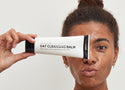
If you are wearing makeup, SPF, or a full skincare layer from earlier in the day, start with a first cleanse to break it down. The Oat Cleansing Balm (£15) melts away makeup and SPF without stripping the skin, leaving it clean and calm. Follow with a second cleanse using the Milk Cleanser (£13) - its cream-to-milk formula removes any remaining residue while maintaining the skin’s moisture balance, with no tightness and no irritation post-cleanse. If your skin is already bare, the Milk Cleanser alone works perfectly as a gentle standalone cleanse before exercise. Both are available in travel sizes, making them practical for a gym bag. The Complete Guide to Double Cleansing explains the two-step method in more detail if you are new to it.
Step 2 - Moisturise Lightly
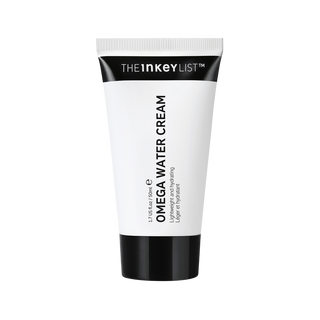
After cleansing, apply a lightweight moisturiser to maintain the skin’s hydration without creating a heavy layer that will sit uncomfortably during exercise. The Omega Water Cream (£11) is well suited here - it provides a light but effective hydration layer using omega fatty acids and niacinamide, absorbs quickly, and does not feel heavy or occlusive during a workout.
Step 3 - SPF for Outdoor Workouts
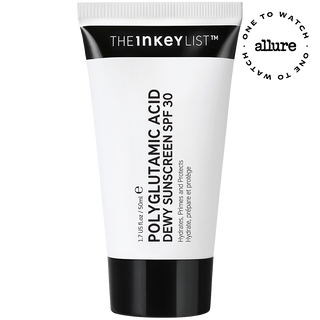
If you are exercising outdoors, or in a space with significant window exposure, a broad-spectrum SPF is essential. UV rays do not stop at glass - even an indoor session near a window carries some UV exposure. Our Dewy Sunscreen SPF 30 (£15) is a lightweight, non-greasy option that sits comfortably under or without makeup, and is well suited to active use. Apply before starting, allow it a minute to absorb, and then go. To understand more about sun protection and how SPF works, the What is SPF guide covers the key information clearly.
A question that comes up alongside the pre-workout routine is “can I workout after applying skincare?” - and the answer is yes. You do not need to wait long. Give products a minute or two to absorb and settle, then begin your session. The one thing worth avoiding before a sweaty workout is a heavy, active-loaded routine. Retinol, strong exfoliants, and high-concentration vitamin C are better placed in your post-workout routine. Heat and sweat can increase the skin’s sensitivity to these ingredients, making them more likely to cause irritation when applied beforehand.
Your Post-Workout Skincare Routine
The post-workout skincare routine is where the real work happens. It is the most important part of a gym skincare routine, and it is the moment that determines whether the conditions created during exercise lead to breakouts and congestion or are properly cleared and corrected.
The first question to address directly: should you wash your face after working out? Yes - always. Even a quick, gentle cleanse is substantially better than allowing sweat to dry on the skin. Sweat is not a cleanser. When it sits and dries, it leaves behind a film of oil, bacteria, salt, and any product residue that was on the skin during exercise. That combination is exactly what contributes to post-gym breakouts. The sooner you cleanse after finishing a session, the better.
Before applying any products, pat your skin dry with a clean towel. Gym towels that have been used on equipment or your body should not be used on the face - the bacteria transfer is a real concern. A clean face cloth or dedicated facial towel is a better choice.
Here is a step-by-step post-workout skincare routine that works for face and neck:
Step 1 - Cleanse
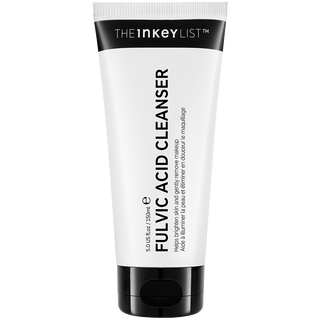
Choose your cleanser based on your skin type. For oily or blemish-prone skin, the Salicylic Acid Cleanser (£12) is a strong post-workout choice. Salicylic acid is a beta hydroxy acid that works inside the pore, dissolving oil and debris rather than just clearing the surface. It is particularly effective at addressing the kind of post-workout congestion that builds up in active skin, and it helps prevent exercise breakouts from forming in the first place. For normal, dry, or sensitive skin types, the Milk Cleanser (£13) remains the go-to option. It removes sweat, oil, and daily build-up gently, without disrupting the skin barrier or leaving skin feeling stripped or tight.
Step 2 - Replenish Hydration
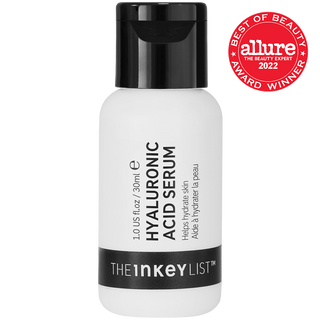
Sweating means water loss, and the skin needs that hydration replaced promptly. Apply the Hyaluronic Acid Serum (£9) to skin that is slightly damp - this is important, as hyaluronic acid draws moisture from the environment into the skin, and a damp surface helps it work more effectively. It begins to calm the post-workout flush and plump skin back up after a session. Hyaluronic acid is one of the most researched hydration ingredients in skincare, capable of holding up to 1,000 times its weight in water.
Step 3 - Lock in Moisture
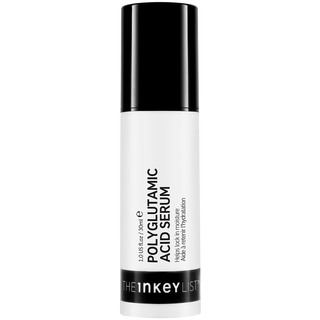
Layer Polyglutamic Acid Serum (£15) on top of the hyaluronic acid serum. Polyglutamic acid works as a moisture-locking ingredient, forming a film over the surface of the skin that helps prevent the hydration you have just applied from evaporating. It is particularly useful after a workout when the skin’s moisture levels have been depleted.
Step 4 - Control Oil and Calm Redness
Post-workout redness and oiliness are common, especially for those with combination or oily skin. The 10% Niacinamide Serum (£10) addresses both. At 10% concentration, niacinamide regulates sebum production, minimises the appearance of pores, and calms visible redness - all of which are especially useful in a post-gym skincare context. Niacinamide is also well tolerated by most skin types, including sensitive skin, making it a versatile addition to the workout skincare routine.
Step 5 - Moisturise
Finish the routine with Omega Water Cream (£11). It is lightweight, non-greasy, and absorbs quickly - important when skin is still warm from exercise. If this is a morning workout, follow the Omega Water Cream with your broad-spectrum SPF before heading out. If this is an evening workout, the Omega Water Cream is sufficient as a final step.
Step 6 - Eye Area (Optional)
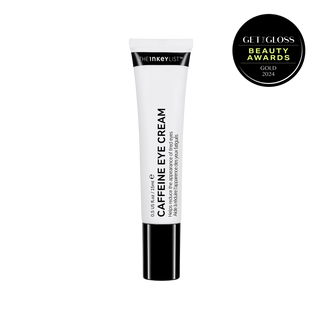
If you are dealing with puffiness or post-workout fatigue around the eyes - common after early morning or high-intensity sessions - the Caffeine Eye Cream (£10) helps constrict blood vessels and reduce the appearance of puffiness and dark circles. Apply a small amount with your ring finger, patting gently around the orbital bone.
Allowing sweat to dry on the skin is one of the most common post-workout skincare mistakes - and one of the most preventable. A consistent cleanse after every session makes a significant difference over time.
For more on sweat-related breakouts and how they form, Healthline’s coverage of the topic is a thorough and accessible resource.
Post-Workout Body Skincare
Most workout skincare conversations focus entirely on the face. The body, however, faces the same - and often more intense - challenges during exercise. Sweat accumulates across the chest, back, shoulders, and anywhere tight gym clothing sits against the skin. Friction from waistbands, sports bras, compression shorts, and socks creates additional irritation. When these factors combine and are left unaddressed, the result is body breakouts, rough texture, congested pores, and skin that simply does not look or feel its best.
The most important step is also the most straightforward: shower as soon as possible after a workout. Staying in sweaty gym clothing for an extended period keeps sweat, bacteria, and oil sitting directly against the skin. That environment is exactly what leads to the body breakouts that appear on the chest, back, and upper arms. Changing promptly and showering thoroughly interrupts that cycle before it can take hold.
In the shower, consider addressing texture and congestion with a targeted body exfoliation step. The Glycolic Acid Exfoliating Body Stick (£15) uses a dual-acid approach - combining glycolic acid and lactic acid - to dissolve the dead skin cell build-up that causes rough skin, strawberry skin, ingrown hairs, and body breakouts. It has been clinically proven to tackle keratosis pilaris bumps in as little as seven days. Apply it to dry skin after showering as a leave-on targeted treatment, focusing on areas like the upper arms, chest, back, and shoulders where congestion tends to concentrate. For an in-shower exfoliation option, the Glycolic Acid Exfoliating Body Wash (£12) works into lather across the same problem areas to sweep away dead skin cells and smooth rough texture as part of your post-workout shower routine.
The Salicylic Acid Cleanser (£12) is not exclusively a face product. It can be used during the shower on the chest and back to deliver pore-clearing salicylic acid directly to areas prone to body breakouts. Used regularly as part of a post-workout shower routine, it helps prevent the build-up that leads to blemishes below the neck.
After showering, the PHA Body Water Cream (£13) maintains hydration while supporting smooth skin texture. Polyhydroxy acids (PHAs) are gentle exfoliating acids that work on the skin’s surface without penetrating as deeply as AHAs, making them well suited to sensitive or reactive body skin. Applied after drying off, the PHA Body Water Cream keeps skin hydrated, supports cell turnover, and helps prevent the rough texture that can develop on areas like the legs and arms over time.
For more targeted guidance on body breakouts specifically, the Back Acne Guide covers causes, treatments, and product recommendations in detail. According to WebMD’s coverage of exercise and skin, paying attention to the body - not just the face - is an important and often overlooked part of managing skin during an active lifestyle.
Morning Workout vs Evening Workout - Adapting Your Routine
The time of day you exercise directly affects how your skincare routine should be structured. A morning workout and an evening workout are not interchangeable when it comes to skincare timing - the steps are similar, but the logic behind them is different.
Morning Workouts
For a morning workout, the pre-workout routine should be kept to an absolute minimum. There is little value in applying a full AM skincare routine before a session that will generate heat and sweat - you would essentially be washing it off immediately. A gentle cleanse to remove any overnight product residue, followed by a lightweight moisturiser if needed, is sufficient. Keep it simple and save the full routine for after.
The post-workout routine becomes your full AM routine in this case. After finishing your session, complete the post-workout steps - cleanse, hydrating serum, polyglutamic acid serum, niacinamide, moisturiser - and then apply your broad-spectrum SPF as the final step before heading out. There is no need to double up on steps or repeat parts of the routine. The post-workout cleanse replaces what would have been your morning cleanse, and the rest of the routine follows in order from there. This is a clean, efficient approach to a morning gym skincare routine that does not add unnecessary time.
For guidance on building a skincare routine from the ground up, including how to layer products correctly, the step-by-step guide covers the fundamentals clearly.
Evening Workouts
An evening workout creates a different set of considerations. If you have been wearing SPF and moisturiser throughout the day, a thorough cleanse after your session is essential - this serves as both your post-workout cleanse and your PM cleanse in one step.
The key timing question for evening exercisers is where actives like retinol sit in the routine. Retinol and other PM-only treatments should always be applied after the post-workout cleanse - never before. Heat and sweat significantly increase skin sensitivity, meaning active ingredients applied pre-workout are more likely to cause irritation, redness, or disruption to the skin barrier. Wait until after you have cleansed and calmed the skin post-workout before layering in any actives.
Outdoor Workouts
Regardless of timing, outdoor exercise introduces one non-negotiable step: broad-spectrum SPF. UV exposure does not stop because you are moving. Whether you are running in the morning, cycling in the afternoon, or taking an evening walk, UV rays are a consideration whenever you are outside. Apply a broad-spectrum SPF 30 or higher before heading out, and reapply after every two hours of exposure or after heavy sweating, whichever comes first.
For practical advice on how and when to reapply sunscreen, including during outdoor activity, the guide addresses the key situations where reapplication matters most. Understanding what SPF actually means and how protection levels translate in real-world conditions is also worth a read if you are building sun protection into a new workout routine.
Common Workout Skincare Mistakes to Avoid
Even with the best intentions, a few habits tend to undermine an otherwise solid workout skincare routine. None of these are about being judged for what you are currently doing - they are simply things worth knowing so you can make a more informed choice going forward.
-
Working out in a full face of makeup. Foundation, powder, and concealer mixed with sweat and heat create a layer on the skin that contributes directly to clogged pores. Cleansing before a session takes a few minutes and makes a real difference to what happens to your skin during exercise.
-
Skipping the post-workout cleanse. Letting sweat dry on the skin is not a neutral act. It leaves behind oil, bacteria, salt, and product residue that can block pores and trigger exercise breakouts. A proper cleanse after every session is non-negotiable.
-
Using a harsh cleanser post-workout. Skin is already under mild thermal and physical stress after exercise. Reaching for an over-stripping cleanser compounds that stress. For dry, sensitive, or compromised skin, a gentle option like the Milk Cleanser keeps the skin barrier intact while still removing all the post-workout residue that needs to go.
-
Applying an active-heavy routine before a workout. Retinol, high-strength exfoliants, and vitamin C are best used as post-workout, PM treatments - not pre-workout. Heat and sweat amplify sensitivity to these ingredients, increasing the risk of irritation and redness.
-
Touching your face during exercise. Gym equipment surfaces carry bacteria. Bars, benches, machines, mats - all of them accumulate bacteria from repeated contact. Touching your face during a session transfers that bacteria directly onto the skin. It is one of the simplest things to be aware of, and one of the most impactful when it comes to reducing exercise breakouts.
-
Skipping SPF for outdoor workouts. Overcast skies do not mean UV protection is unnecessary. UV rays pass through cloud cover and can still cause cumulative skin damage even on grey days. If you are outside, SPF is part of the routine, full stop.
-
Neglecting body skin. The face is where most skincare attention goes, but the body accumulates sweat, friction, and bacteria across a much larger surface area during a workout. Change out of gym clothes promptly, shower as soon as you can, and give body skin the same consideration you would give your face.
If you are noticing unusual breakout patterns after workouts - particularly if they look different from typical blemishes - it may be worth learning more about fungal acne and its symptoms, which can be triggered by warm, sweaty conditions. The Acne Analyzer Pro is also a useful tool for identifying what might be driving persistent post-workout breakouts, backed by AI analysis and dermatologist input.
For those looking to streamline their approach, Smart Skinimalism explores how a pared-back, purposeful routine can outperform an overcrowded one - particularly relevant for the pre-workout context where less really is more.
Frequently Asked Questions
Should I do my skincare before or after a workout?
A brief, minimal routine before a workout is worthwhile - particularly a cleanse to remove makeup or previous product layers before sweating. Your full skincare routine, however, belongs after a workout. Applying a complete routine before exercise means most of it will be lost to sweat and heat before it has a chance to work. Minimal steps before, full routine after.
Can I work out after applying skincare?
Yes. Apply your pre-workout skincare steps, give products a minute or two to absorb, and then begin your session. The only thing to avoid immediately before a sweaty workout is a heavy or active-loaded routine - retinol, strong acids, and high-concentration vitamin C are better placed post-workout. Lightweight products like a gentle moisturiser or a water-based serum are fine before exercise.
Does sweat cause acne?
Sweat itself is not the direct cause of acne. It is largely water and does not inherently block pores. The issue arises when sweat stays on the skin and combines with oil, bacteria, and product residue that was already on the surface - creating an environment where pores can become blocked. The solution is straightforward: cleanse promptly after every workout and avoid leaving sweat to dry on the skin for extended periods.
Should I wash my face after working out?
Yes, always. Even a quick, gentle cleanse after a workout is significantly better than doing nothing. Sweat is not a cleanser, and allowing it to dry on the skin leaves behind a mix of oil, bacteria, and residue that contributes to congestion and breakouts over time. Make cleansing the first step of your post-workout routine, every session.
Is it better to do skincare before or after a workout?
Both have a role, but the balance is unequal. Before a workout: minimal steps only - a cleanse and a light moisturiser are enough. After a workout: your full skincare routine, applied to freshly cleansed skin. The post-workout window is when your skin is most receptive and when a proper routine has the greatest impact.
How do I stop getting breakouts from working out?
Start every session with a clean face - no makeup, no heavy product build-up. Cleanse immediately after exercise using a cleanser suited to your skin type. Avoid touching your face during exercise. Change out of gym clothing promptly and shower as soon as possible after a session. For ongoing management of post-workout blemishes, incorporating the Niacinamide Serum (£10) and the Salicylic Acid Cleanser (£12) into your post-workout routine addresses oil control and pore-level congestion consistently over time. If you are unsure what your skin type is or which products are right for you, What’s Your Skin Type? is a helpful starting point.
Do I need a different skincare routine for outdoor workouts?
The core steps remain the same, with one important addition: broad-spectrum SPF is essential for any outdoor exercise, regardless of the time of day or weather conditions. Apply SPF before heading out, and reapply after two hours of UV exposure or after heavy sweating. The Skincare Quiz can help you identify a full routine that accounts for your lifestyle, including outdoor activity.
A Consistent Habit Beats a Complex Routine
Whether you train in the morning or evening, indoors or outdoors, the principle behind workout skincare is consistent: manage the conditions exercise creates, before and after, with a small number of targeted steps done well. A brief cleanse before you start and a structured routine after you finish is not a complicated commitment - it is simply the habit that prevents exercise from working against your skin rather than for it.
The right ingredients, applied in the right order, at the right time - that is the entire framework. A few well-chosen products done consistently will always outperform an elaborate routine used sporadically. Your skin responds to regularity, and a gym skincare routine that fits into your actual schedule is one you will actually follow.
Build the Right Routine for Your Skin
Not sure which products are the right fit for your skin type and lifestyle? Take the Skincare Quiz and get a personalised routine recommendation in under two minutes.
Ready to put your workout skincare kit together? Build Your Own Routine and save up to 20% when you shop your full pre and post workout routine.
Struggling with persistent post-workout breakouts? The Acne Analyzer Pro uses AI-powered analysis backed by dermatologist input to help you understand what is driving breakouts and what to do about it.