

Your Skin Barrier: What It Is, Signs It’s Damaged, and How to Repair It

This guide covers everything you need to know about the skin barrier - what it is, how to recognise when it is damaged, what causes that damage, which ingredients repair it, and how to build a simple daily routine that supports lasting recovery. The skin barrier is the single most important factor in whether your skin functions well or poorly. When it is healthy, your skin holds moisture, resists irritation, and looks and feels balanced. When it is compromised, almost every other skin concern becomes harder to manage.
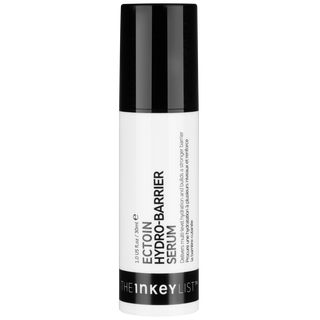
If your skin has been feeling persistently dry, sensitive, or reactive - or if products you have used for years have suddenly started to sting - there is a good chance your barrier needs attention. The Ectoin Hydro-Barrier Serum (£15) is a clinically proven barrier repair serum and a strong starting point for most people. But before reaching for any product, it helps to understand exactly what you are dealing with - and why the barrier matters as much as it does.
You can also explore all barrier-repair products if you want to browse the full range while you read.
What Your Skin Barrier Actually Is - and Why It Matters
The skin barrier is not a single layer or membrane. It is the outermost zone of the skin - the stratum corneum - a structure that sits at the surface of the epidermis and acts as the interface between your body and the outside world. Understanding how it is built helps explain why it fails, and how to restore it.
The skin itself is organised into layers. Beneath the skin’s surface lie the dermis - which houses collagen, elastin, blood vessels, and nerve endings - and below that the subcutaneous tissue. Above the dermis sits the epidermis, the living outer skin layer responsible for producing new skin cells. And at the very top of the epidermis is the stratum corneum: the outermost layer and the one we are focused on here.
The stratum corneum is often described using the bricks-and-mortar model, and it is a useful one. The bricks are corneocytes - flattened, dead skin cells that form a dense, overlapping structure. The mortar is the lipid matrix that fills the spaces between them: a carefully organised blend of ceramides - the lipids responsible for the barrier’s structural integrity - alongside fatty acids and cholesterol. This lipid matrix is what holds the structure together and gives it its barrier properties.
The barrier has two primary jobs. First, it locks moisture in - preventing water from evaporating through the skin’s surface. Second, it keeps the outside world out - blocking irritants, environmental pollutants, UV radiation, bacteria, and allergens from penetrating into the deeper layers of the skin where they can trigger inflammation and damage.
The mechanism behind moisture retention is known as transepidermal water loss, or TEWL. When the barrier is intact, TEWL is low - water stays in the skin and the surface remains plump, smooth, and hydrated. When the barrier is compromised, TEWL increases, meaning the skin loses moisture faster than it can retain it. Research published in the British Journal of Dermatology confirmed that artificially reducing TEWL - by supporting barrier function - directly improves skin barrier integrity, establishing TEWL as the primary clinical measure of barrier health.
Ceramide levels are not static. They naturally deplete over time with age, and are further reduced by environmental stressors, UV exposure, and certain skincare habits. When ceramide levels drop, the lipid matrix becomes thinner and less effective - gaps appear in the mortar, water escapes more readily, and the skin becomes more vulnerable to external irritants. This is why replenishing ceramides topically is one of the most evidence-supported strategies for barrier repair.
It is also worth noting that certain molecules can protect the barrier at a cellular level before damage even occurs. Ectoin, for example, forms protective hydration shells around skin cells to reduce transepidermal water loss - a mechanism rooted in the molecule’s original biological role of protecting extremophile bacteria from extreme environmental conditions. The full science on how ectoin works at this cellular level is covered in the ectoin ingredient guide.
A healthy skin barrier is the foundation on which every other aspect of your skin’s function depends. Hydration, radiance, resilience, tolerance to active ingredients - all of it starts here. The section that follows explains what happens when the barrier is not doing its job.
Signs of a Damaged Skin Barrier - How to Tell If Yours Is Compromised
A compromised skin barrier does not always announce itself in an obvious way. The signs can be subtle, gradual, or easily mistaken for other skin concerns. What makes self-identification more complicated is that barrier damage can look quite different depending on your skin type - it does not show up identically on oily, dry, or combination skin. That said, the following signs - individually or in combination - are the most reliable indicators that your barrier needs support.
-
Persistent dryness and flakiness. When the barrier cannot retain moisture effectively, the skin surface dehydrates. The outer layer of dead skin cells loses cohesion and begins to shed visibly, producing the flaky, rough texture that no amount of moisturiser seems to fully resolve. The issue here is not simply a lack of hydration - it is that the barrier is unable to hold onto moisture long enough for it to make a lasting difference.
-
Tightness after cleansing. A healthy barrier recovers quickly after washing. If your skin feels tight, stretched, or uncomfortable 15 to 20 minutes after cleansing - and that feeling does not ease on its own - this is a clear signal that the barrier is not bouncing back as it should. This is often where barrier compromise begins to show itself most reliably.
-
Redness and blotchiness. A weakened barrier allows irritants and environmental aggressors to penetrate the skin more easily than normal. Once inside, these particles trigger an inflammatory response - presenting as diffuse redness, uneven skin tone, or patches of reactive flushing that seem to appear without obvious cause.
-
Increased sensitivity and stinging. This is one of the most telling signs. Products that your skin previously tolerated without issue - your usual serum, your regular toner, even your moisturiser - suddenly sting, burn, or cause irritation. This happens because the barrier’s decreased ability to filter out external substances means that even mild formulations can penetrate further and faster than usual, reaching nerve endings they would not normally reach.
-
Rough or uneven texture. Impaired skin cell turnover, combined with moisture loss and disrupted surface structure, creates a roughness or unevenness at the skin surface. This is different from the bumps associated with congestion - it is more of a general lack of smoothness that makes the skin feel coarser to the touch.
-
Frequent breakouts. A weakened barrier allows bacteria and environmental debris to enter the skin more easily, contributing to blemishes and congestion. If you are experiencing more frequent breakouts without an obvious change in diet, hormones, or routine, barrier compromise is worth considering as a contributing factor.
-
Dullness and lack of radiance. Dehydrated, barrier-compromised skin reflects light unevenly. Without the plumpness and surface smoothness that a well-hydrated, intact barrier provides, the skin appears flat, lacklustre, and without the natural glow that comes from healthy hydration levels.
It is worth noting that dryness and dehydration are related but distinct concerns - and understanding the difference matters when choosing how to address them. For a clear breakdown, read our guide on the difference between dry and dehydrated skin.
If several of the signs above feel familiar, the next step is not to layer on more products - it is to simplify and address the barrier directly. The Ectoin Hydro-Barrier Serum (£15) is clinically proven to visibly address five signs of a compromised barrier - dryness, flakiness, dullness, redness, and slackness - with results beginning in as little as 15 minutes.* For a broader look at the full range of barrier-targeted formulas, shop all barrier-repair products.
These signs are well-understood, and critically, the barrier is a structure that can be repaired. The key is knowing what caused the damage in the first place - which is exactly what the next section covers.
What Damages the Skin Barrier?
The skin barrier faces threats from two directions simultaneously: the external environment, and the skincare habits and lifestyle factors that are often within our control. Understanding both is essential for lasting repair - because rebuilding a damaged barrier while continuing to subject it to the same stressors is an exercise in futility.
External Causes
UV exposure is one of the most consistent and significant daily threats to barrier integrity. Ultraviolet radiation disrupts the lipid matrix directly, breaking down the ceramide-rich mortar that holds the barrier’s structure together, while simultaneously accelerating transepidermal water loss. UV damage is cumulative - it builds up silently over years - which is why daily SPF use is a non-negotiable barrier protection step, not just a sun care recommendation.
Environmental pollution is an increasingly recognised contributor to barrier damage. Pollution particles and the oxidative stress they generate break down the lipid layer and trigger chronic low-grade inflammation at the skin surface. For those living in urban environments - a significant proportion of the UK population - this is a daily, unavoidable exposure.
Climate extremes have a notable impact on barrier function. Cold, dry, and windy weather strips surface moisture and weakens the lipid layer at the skin’s surface. But it is not just winter that poses a risk - hot weather and high humidity can also disrupt the barrier’s natural function by altering the skin’s pH and microbial balance. Indoors, central heating and air conditioning both significantly reduce ambient humidity, creating an environment in which the skin’s surface moisture evaporates more rapidly than usual. This is a particularly relevant factor in the UK, where central heating runs for much of the year.
Hard water - characterised by a high mineral content, particularly calcium and magnesium - is another factor that disproportionately affects UK skin. Hard water can disrupt the skin’s natural pH and interfere with the lipid layer during cleansing, making it harder for the barrier to maintain its structural integrity. Much of England, particularly the south and east, has hard water supplies.
Skincare and Lifestyle Causes
Over-exfoliation is one of the most common causes of self-inflicted barrier damage. AHAs (alpha hydroxy acids), BHAs (beta hydroxy acids), and physical scrubs all work by removing cells from the surface of the stratum corneum. Used at the right frequency, this promotes healthy cell turnover. Used too often or at too high a concentration, it strips away too much of the barrier’s structure - leaving the skin raw, reactive, and vulnerable. The stratum corneum is only around 10 to 20 micrometres thick; it does not take much to compromise it.
Harsh cleansers are responsible for a significant proportion of unintentional barrier damage. Surfactant-heavy formulations - particularly those containing sulphates - are highly effective at removing sebum and debris, but they also strip the natural lipid layer in the process. The cleanser step is the one point in any skincare routine where barrier damage is most likely to occur, which is why the choice of cleanser matters enormously - especially when the barrier is already compromised.
Layering too many active ingredients simultaneously is an increasingly common issue. With greater access to information about skincare actives - retinoids, vitamin C, AHAs, niacinamide, and others - many people build routines that combine multiple potent ingredients without adequate barrier support between them. The result is a skin that is simultaneously over-stimulated and under-supported, leading to sensitisation and, eventually, barrier breakdown.
Fragrance in skincare is a hidden cause of barrier disruption that is often overlooked. Many skincare products - including those marketed as natural or gentle - contain fragrance compounds that are known skin sensitisers. In people with already-compromised barriers, these compounds can penetrate more easily and trigger inflammatory responses that further weaken the structure.
Chronic stress has a well-documented impact on skin health, including barrier function. Stress hormones disrupt skin cell turnover, impair the barrier’s natural repair processes, and contribute to inflammation. For a deeper dive into this topic, read our guide on how stress affects your skin barrier.
Sleep deprivation is another underappreciated factor. The skin’s repair and regeneration cycle is most active during sleep - this is when the barrier rebuilds itself and recovers from daily environmental exposure. Chronic poor sleep slows this process, leaving the barrier in a state of incomplete recovery day after day.
Diet also plays a role. Adequate essential fatty acids - found in foods like oily fish, flaxseed, and walnuts - are the building blocks the body uses to maintain the lipid matrix within the barrier. A diet consistently lacking in these nutrients reduces the availability of the raw materials the skin needs to keep its barrier well-constructed.
It is worth noting that ectoin’s original biological purpose was protecting extremophile bacteria from exactly these kinds of environmental stressors - extreme heat, UV, desiccation, and salinity. That same protective mechanism, translated into a topical skincare ingredient, is why ectoin is particularly well-suited to protecting against environmental stressors when applied to human skin.
Understanding these causes sets up the most important question: which ingredients actively reverse the damage?
The Best Ingredients for Skin Barrier Repair - and the Products That Deliver Them
Not every skincare ingredient supports barrier repair. Many are excellent for other purposes - brightening, anti-ageing, controlling oil - but when the barrier is the priority, the following ingredients are the ones with the clearest clinical rationale and the most direct relevance to what the barrier actually needs.
Ectoin - Barrier Protection at a Cellular Level
Ectoin is a naturally occurring cyclic amino acid produced by extremophile bacteria - microorganisms that survive in some of the harshest environments on earth, including salt flats, hot springs, and desert soils. To survive these conditions, the bacteria produce ectoin as a protective molecule. It works by forming stable hydration shells around proteins and cell membranes, shielding them from dehydration, temperature extremes, and UV damage.
When applied topically to human skin, this same mechanism becomes highly relevant to barrier function. Ectoin stabilises the lipid bilayer - the structural core of the stratum corneum - by maintaining the hydration of cell membranes and improving the organisation and function of the lipid layer. The result is a direct reduction in transepidermal water loss and a measurable strengthening of the barrier structure.
The clinical evidence behind ectoin is substantial. A systematic review published in Dermatology and Therapy (Kauth & Trusova, 2022) - available via Springer Nature - confirmed that topical ectoin formulations are effective and well-tolerated in continuous use for up to six months, with evidence of improvement in skin dryness, redness, and barrier-related inflammatory symptoms across multiple independent clinical studies. For the complete ingredient science, read the full ectoin ingredient guide.
Product: Ectoin Hydro-Barrier Serum - £15 - 30ml. Formulated with 2% ectoin, 2.5% multi-molecular hyaluronic acid (four molecular weights for multi-depth hydration), and a 1% ceramide barrier blend. Clinically proven to visibly address five signs of a compromised barrier - dryness, flakiness, dullness, redness, and slackness - with barrier strengthening beginning in as little as 15 minutes, and skin bounce and resilience visibly restored in as little as three days. Apply morning and evening to slightly damp skin, patting gently into the face and neck.
Quick comparison: Ectoin stabilises and protects the barrier at a cellular level by reducing TEWL. Hyaluronic acid hydrates by attracting and binding water. Ceramides structurally rebuild the lipid matrix. All three work differently - and all three work best together. Read the complete guide to ectoin for the full breakdown.
Ceramides - Rebuilding the Barrier’s Structure
Ceramides are lipids that naturally occur within the skin’s barrier, forming the mortar in the bricks-and-mortar model. They make up approximately 50% of the lipid content of the stratum corneum, making them the dominant structural component of the barrier. When ceramide levels drop - through ageing, environmental damage, over-exfoliation, or harsh cleansing - the lipid matrix becomes thinner, the barrier loses its structural cohesion, and moisture escapes more readily.
Topical ceramides replenish this lipid matrix directly. Applied to the skin, they integrate into the existing lipid structure and help restore the barrier’s ability to retain moisture and resist external aggressors. This is not the same as simply adding hydration - it is structural repair at the level of the barrier’s own architecture. Learn how ceramides repair your barrier in the full ceramides ingredient guide.
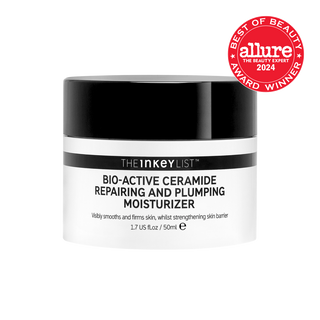
Product: Bio-Active Ceramide Moisturiser - £19 - 50ml. Uses Bio-Active Ceramide NP to visibly firm, smooth, and strengthen the skin barrier. Also contains 5% Gransil Blur for an immediate line-blurring effect, and shea butter to comfort and nourish the skin. This is the moisturiser step in any barrier-repair routine - used after your serum, it seals in the active work and delivers sustained ceramide support.
Hyaluronic Acid - Hydration at Multiple Depths
Hyaluronic acid is a humectant - a molecule that attracts water and holds it within the skin. It can bind up to 1,000 times its own weight in water, making it highly effective at increasing skin hydration levels. Multi-molecular formulations deliver hydration at different depths simultaneously: higher molecular weight hyaluronic acid works at the surface, plumping and smoothing; lower molecular weight molecules penetrate more deeply, delivering hydration to the layers beneath.
One important clarification: hyaluronic acid hydrates, but it does not on its own repair the structural barrier. It does not replenish ceramides or stabilise the lipid bilayer. For complete barrier support, it works best when paired with ceramides and/or ectoin - the hyaluronic acid provides the hydration, while the other ingredients address the structural and protective elements of repair.
Product: Hyaluronic Acid Serum - £9 - 30ml. Contains 2% pure hyaluronic acid at three molecular weights, plus Matrixyl 3000 peptide complex for added plumping and smoothing support.
Niacinamide - Barrier Support with Broader Benefits
Niacinamide (vitamin B3) is a multifunctional ingredient with particular relevance to barrier health. One of its key actions is supporting ceramide synthesis - meaning it helps the skin produce more of its own ceramides, contributing to the barrier’s self-repair capacity. Alongside this, niacinamide reduces redness, regulates sebum production, and visibly minimises the appearance of pores.
This makes niacinamide particularly suited to oily or combination skin types where barrier compromise coincides with excess sebum, visible pores, and congestion. It addresses multiple concerns simultaneously without adding extra steps.
Product: Niacinamide Serum - £10 - 30ml. Contains 10% niacinamide and 1% hyaluronic acid for targeted barrier support alongside visible pore and texture improvement.
Gentle Cleansing - The Foundation of Barrier Repair
No barrier-repair routine works if the cleanser is undoing all the repair work. A harsh, stripping cleanser used twice daily - removing the lipid layer at every wash - prevents the barrier from recovering regardless of what else you apply. The cleanser is the first step in any routine and the one with the most potential to cause unintentional damage.
When the barrier is compromised, a gentle, non-stripping cleanser is non-negotiable. Look for formulas that lift debris without disrupting the skin’s natural lipid layer or pH.
Product: Oat Cleansing Balm 150ml - £15. Contains 1% colloidal oatmeal to soothe reactive and sensitive skin, and 3% oat kernel oil to protect and soften. Balm-to-milk texture that rinses cleanly without stripping. This is the barrier-safe cleanse that the rest of the routine is built on.
How to Repair a Damaged Skin Barrier - Your Step-by-Step Routine
Repairing a damaged skin barrier requires two things working in parallel: removing the stressors that caused the damage, and using the right ingredients consistently to rebuild it. Consistency matters far more than complexity here. A simple routine of three to four well-chosen steps, used twice daily without interruption, will outperform an elaborate routine applied inconsistently.
Phase One - Simplify
If the barrier is actively compromised - if you are experiencing stinging, increased sensitivity, persistent redness, or significant dryness - the first move is to simplify. Temporarily pause:
- All exfoliants: AHAs, BHAs, and physical scrubs
- High-percentage retinoids
- Any fragranced products
- Multiple-acid combinations
The goal during this initial phase is to stop adding stress while the barrier begins to repair. This is not a permanent step - it is a deliberate clearing of the path.
Morning Routine
-
Cleanse - Oat Cleansing Balm 150ml (£15). Begin with a gentle, non-stripping cleanse to remove overnight debris and any residue without disrupting the barrier. Massage into dry skin for at least 60 seconds before emulsifying with water and rinsing.
-
Barrier Serum - Ectoin Hydro-Barrier Serum (£15). Apply two to three drops to slightly damp skin immediately after cleansing. Pat gently into the face and neck - do not rub. Applying to slightly damp skin improves absorption and enhances the ectoin’s hydration-shell mechanism. This is the core barrier repair and hydration step. Do not skip it.
-
Supporting Serum (optional) - Once the ectoin serum has been absorbed, layer either the Hyaluronic Acid Serum (£9) for additional hydration, or the Niacinamide Serum (£10) if you are also managing oiliness, redness, or visible pores. Choose one, not both, during the repair phase.
-
Moisturise - Bio-Active Ceramide Moisturiser (£19). Apply after your serums to seal in the active barrier work and deliver structural ceramide support. This step locks in the hydration provided by the ectoin serum and creates a protective layer over the barrier throughout the day.
-
SPF - Dewy Sunscreen SPF 30. Always the final morning step - applied on top of your moisturiser before leaving the house. UV exposure is one of the most significant and consistent causes of barrier damage, and it continues even on overcast days. Skipping SPF while attempting to repair the barrier is counterproductive - UV will undo repair work daily.
Evening Routine
-
First Cleanse - Oat Cleansing Balm 150ml (£15). Use the cleansing balm to lift SPF, any makeup, and the day’s environmental build-up. Massage into dry skin thoroughly before rinsing. A thorough first cleanse in the evening is important - SPF and environmental debris left on the skin overnight can contribute to ongoing barrier stress.
-
Barrier Serum - Ectoin Hydro-Barrier Serum (£15). Apply to slightly damp skin as in the morning routine. The evening application pre-conditions the barrier before sleep and supports the skin’s overnight repair cycle - this is when cell regeneration is most active and the barrier is best positioned to rebuild.
-
Treatment Step (optional - once barrier has stabilised) - During the active repair phase, skip this step. Once sensitivity has reduced and the barrier feels more resilient - typically after two to four weeks - you can reintroduce the Niacinamide Serum (£10) here, applied after the ectoin serum.
-
Moisturise - Bio-Active Ceramide Moisturiser (£19). The overnight moisturiser step is particularly valuable: it seals in the ectoin serum’s work, provides ceramide repair, and creates an occlusive layer that reduces overnight TEWL while the skin’s own repair processes are running at their most active.
For personalised routine guidance tailored to your specific skin type and concerns, visit askINKEY or take the skincare quiz to get product recommendations built around your skin’s current needs.
What to Avoid When Your Skin Barrier Is Damaged
Repairing a damaged barrier is as much about what you stop doing as it is about what you start doing. Adding the right ingredients while continuing to apply the wrong ones significantly slows recovery - and in some cases prevents it entirely.
Avoid over-exfoliation. This is the single most important avoidance during the repair phase. AHAs, BHAs, and physical scrubs should be removed from your routine entirely while the barrier is actively compromised. Exfoliation, even in moderate amounts, removes surface skin cells - and when the barrier is already thin and weakened, there is nothing in reserve. Resume exfoliation only once the barrier has stabilised, and reintroduce it gradually.
Avoid high-percentage retinoids. Retinoids are powerful active ingredients with well-documented skin benefits, but they can be irritating to a compromised barrier - increasing sensitivity, causing redness, and impeding recovery. Pause retinoid use during the active repair phase. When reintroducing, do so on alternate evenings and always apply the Ectoin Hydro-Barrier Serum first as a buffer - the ectoin layer forms a protective shell around the cells before the retinoid is applied, significantly reducing the risk of irritation.
Avoid fragranced products. Fragrance is one of the most common hidden sensitisers in skincare. When the barrier is compromised, fragrance molecules penetrate more readily and are more likely to trigger an inflammatory response. During the repair phase, choose fragrance-free formulations throughout your routine. INKEY formulations are fragrance-free.
Avoid hot water on the face. Washing with hot water disrupts the lipid layer at the skin surface and accelerates moisture loss. Cleanse with lukewarm water - it is effective at removing debris without stripping the barrier. This is a small change that makes a consistent, compounding difference.
Avoid over-cleansing. Cleansing more than twice daily - morning and evening - is rarely necessary and frequently damaging. Each additional cleanse removes more of the natural lipid layer, reducing the barrier’s ability to protect and retain moisture. Stick to morning and evening only, and always use a gentle, non-stripping formula.
Avoid layering too many active ingredients simultaneously. During barrier repair, simplicity is the strategy. More actives do not mean faster results - they mean more potential triggers for irritation. Strip the routine back to the barrier basics: a gentle cleanser, the ectoin serum, a ceramide moisturiser, and SPF in the morning. Add other steps back gradually and one at a time only once the barrier has recovered.
How Long Does It Take to Repair a Damaged Skin Barrier?
Recovery time depends on the degree of damage. The skin barrier does have a natural repair cycle - roughly 28 days for a full cell turnover - but clinical data shows that meaningful improvement can begin much sooner than that.
Mild damage - minor sensitivity, occasional tightness, early-stage flakiness - typically resolves within one to two weeks with the right routine. Clinical data on the Ectoin Hydro-Barrier Serum shows barrier strengthening beginning in as little as 15 minutes, with resilience and bounce visibly restored within three days.
Moderate damage - persistent redness, significant sensitivity, regular breakouts, and noticeable dehydration - generally requires four to six weeks of consistent barrier-focused care. The skin’s 28-day natural repair cycle means that meaningful structural recovery takes at least one full cycle to complete.
Severe or chronic damage - long-standing sensitivity, extreme reactivity, or barrier compromise that has been present for months or years - may require six to twelve weeks or longer. In cases where the skin remains persistently inflamed, severely reactive, or resistant to standard barrier repair approaches, it is worth seeking professional advice. Visit the NHS for guidance on persistent skin conditions.
The most important variable in recovery time is not the product used - it is consistency. A barrier-focused routine applied twice daily without interruption will always outperform the same routine used sporadically. Patience, paired with discipline, is the defining factor.
Can a Damaged Skin Barrier Be Repaired?
Yes. The skin barrier is a dynamic structure that is constantly being renewed. Given the right conditions - the right ingredients, the removal of ongoing stressors, and consistent care - the barrier can and does repair itself. The role of skincare is to support and accelerate that natural process.
How Do I Know If My Skin Barrier Is Damaged?
The most reliable indicators are persistent dryness and flakiness, tightness after cleansing, increased sensitivity or stinging from products you previously tolerated, redness, rough texture, and a general lack of radiance. If you recognise several of these simultaneously, barrier compromise is the most likely explanation. Refer to the signs section of this guide for a full breakdown.
How to Repair a Damaged Skin Barrier Naturally?
Consistent hydration and lipid replenishment are the core of any repair approach. Simplify your routine, remove exfoliants and harsh actives temporarily, use a gentle cleanser, apply a barrier-supporting serum (ectoin and ceramides are the most directly relevant ingredients), and protect with SPF daily. Lifestyle factors - adequate sleep, stress management, and a diet sufficient in essential fatty acids - also support the skin’s natural repair cycle.
Why Is My Skin Barrier Always Damaged?
If your barrier feels perpetually compromised, the most common cause is an ongoing skincare habit that is preventing recovery - most frequently over-exfoliation, a harsh cleanser, or too many active ingredients used simultaneously. Environmental factors such as hard water, climate, and pollution also contribute. Read the causes section of this guide and consider which factors are most likely to apply to your situation. Chronic stress is another frequent underlying contributor - read more about how stress affects your skin barrier.
How to Repair the Skin Barrier on the Face?
The same principles apply to the face as to the barrier generally - but the facial skin is thinner and often more reactive than skin elsewhere on the body, making it more susceptible to damage and more responsive to targeted care. The routine outlined in this guide is designed specifically for the face. Start with the Ectoin Hydro-Barrier Serum applied to slightly damp skin, follow with the Bio-Active Ceramide Moisturiser, and protect with SPF daily.
How Long Until I See Results?
Early improvements - reduced tightness, less stinging, improved texture - are often noticeable within the first week. Clinical data shows barrier strengthening beginning in as little as 15 minutes* from the first application of the Ectoin Hydro-Barrier Serum. More significant improvements - sustained reduction in sensitivity, improved radiance, and visible smoothing - develop over four to six weeks of consistent use.
What Is the Best Serum for Repairing the Skin Barrier?
A barrier repair serum should work at the structural level - not just provide surface hydration. Look for formulations that include ectoin (for cellular-level barrier stabilisation and TEWL reduction), ceramides (for structural lipid replenishment), and multi-molecular hyaluronic acid (for hydration at multiple depths). The Ectoin Hydro-Barrier Serum (£15) combines all three in a single clinically proven formula. Read the complete guide to ectoin to understand the science behind its barrier-repair mechanism.
The Foundation Is Everything
The skin barrier is where skin health starts. It is the structure that determines whether your skin retains moisture or loses it, whether it resists irritation or reacts to it, whether active ingredients perform or simply cause sensitivity. Everything else in your skincare routine depends on the barrier being in good enough condition to support it.
The path to a repaired barrier is straightforward: remove the stressors that caused the damage, add the ingredients that directly support repair - ectoin, ceramides, and hyaluronic acid - protect the barrier daily with SPF, and be consistent. Results build gradually but measurably, and with the right approach, even significantly compromised skin can recover.
For the full science on the hero ingredient at the centre of this approach, read the complete ectoin ingredient guide.
Shop the Ectoin Hydro-Barrier Serum - £15 - Clinically proven to visibly address five signs of a compromised barrier, with results beginning in as little as 15 minutes.*
Shop All Damaged Skin Barrier Products - Browse the full range of barrier-repair formulas.
Take the Skincare Quiz - Get a personalised routine built around your skin’s current needs.
Chat to askINKEY - Speak to our skincare advisors for tailored guidance.
\Based on clinical studies - see product page for full details.*