
What Is Skin Stress - And How Do You Treat It?

26.05.2026 | Skincare

Skin stress is not a buzzword. It is a real, physiological state in which the skin’s normal barrier function and cellular renewal processes are disrupted or overwhelmed by internal and external triggers - and it is far more common than most people realise. The symptoms are frequently mistaken for sensitivity, dryness, or hormonal blemishes, when in reality the root cause is something deeper: the skin is under stress, and it is struggling to protect and repair itself.

This blog covers exactly what skin stress is, what causes it, how to recognise the signs, and - most importantly - what to do about it. That includes a breakdown of the skin barrier, the role of cortisol, and a full ingredient-led treatment guide featuring clinically tested solutions including our Exosome Glow Serum, Ectoin Hydro-Barrier Serum, PDRN Serum, and Bio-Active Ceramide Moisturiser. Whether you are experiencing redness, dullness, dryness, or persistent breakouts with no obvious explanation, this guide will help you understand what is happening in your skin - and how to address it effectively.


What Is Skin Stress?

Skin stress is the state in which the skin’s protective barrier and cellular renewal systems are disrupted or overwhelmed by external or internal triggers. It is not simply having “bad” skin or a skin type that leans sensitive. It is a response state - a physiological shift that can affect anyone, at any point in their lives, regardless of their usual skin condition. Understanding this distinction matters, because it changes how you approach treatment.

The skin is the body’s largest organ and its most exposed one. Every day it contends with UV radiation, pollution, temperature fluctuations, physical contact, and the internal consequences of psychological stress. It is built to handle a degree of pressure, but when that pressure becomes sustained or intense - whether from a period of high stress at work, a disrupted routine, or environmental overload - its ability to function normally begins to break down.

Two key systems are affected when skin becomes stressed. The first is the skin barrier - the outermost layer of the skin responsible for locking moisture in and keeping irritants, pollutants, and microbes out. The second is cellular renewal - the skin’s ability to regenerate, repair damage, and maintain an even, healthy surface. When both of these systems are compromised simultaneously, the skin enters a state that looks and feels unmistakably off: reactive, dull, dry, congested, or inflamed.

What makes skin stress particularly important to understand is that it operates in two directions. Psychological stress can directly cause skin stress through hormonal pathways - but the reverse is also true. According to an article by Dr. Neera Nathan at Massachusetts General Hospital, published by Harvard Health, “stress triggers the hypothalamus-pituitary-adrenal (HPA) axis… causing production of local pro-inflammatory factors.” This means the skin is not just a passive recipient of stress - it actively participates in the cycle.

The relationship between stress and skin is bidirectional. Psychological stress makes skin worse - and the worse the skin becomes, the more it can perpetuate the stress signal. Breaking the cycle requires understanding it.

This is the brain-skin axis: a well-established, bidirectional pathway through which the mind and skin communicate. Chronic stress keeps this pathway activated, preventing the skin from returning to its baseline. The symptoms compound. The barrier weakens further. Cellular renewal slows. And what started as a response to a stressful period becomes a persistent skin condition that seems difficult to resolve.

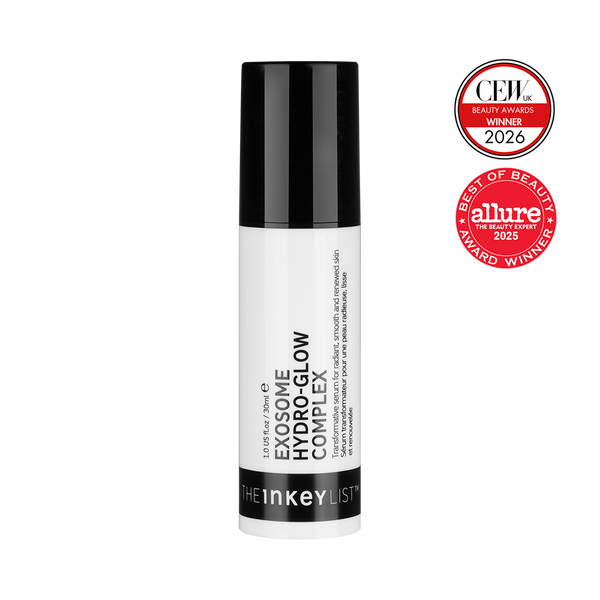
Our Exosome Glow Serum was clinically tested specifically against this state, with a 55% reduction in visible signs of skin stress as a key tested outcome in vitro. Read our full guide to exosomes to understand exactly how this ingredient category works at a cellular level.

With a clear definition in place, the next question is: what actually triggers this state in the first place?


What Causes Skin Stress?

Skin stress has multiple causes, and they fall into three broad categories: psychological triggers, environmental aggressors, and lifestyle factors. In practice, these causes often occur simultaneously - which is why skin stress can feel sudden and difficult to attribute to a single source.

Psychological Stress and Cortisol

When the body experiences psychological stress - whether from work pressure, poor sleep, anxiety, or major life events - it activates the hypothalamus-pituitary-adrenal (HPA) axis. This triggers the release of cortisol, the body’s primary stress hormone. Cortisol has a systemic effect on the body, and the skin is one of its primary targets.

Harvard Health notes that stress produces “pro-inflammatory factors, such as cortisol… which can direct immune cells from the bloodstream into the skin.” For the skin, this translates into a cascade of negative effects: cortisol reduces ceramide production (weakening the barrier), increases sebum output (contributing to congestion and blemishes), triggers inflammatory responses (causing redness and reactive skin), and accelerates the breakdown of collagen (affecting firmness over time).

Acute stress - a short-term spike in cortisol - is something the skin can generally recover from. Chronic stress is significantly more damaging. When cortisol remains elevated over weeks or months, the skin is prevented from completing its natural repair cycles. Ceramide production stays suppressed. Inflammation persists. Renewal slows. This is why long periods of sustained pressure tend to produce the most pronounced skin stress symptoms.

One of the most searched questions in this space is: can stress cause dry skin? The answer is yes - and the mechanism is direct. Cortisol suppresses ceramide synthesis, and ceramides are the primary lipids that form the waterproof seal of the skin barrier. Without sufficient ceramides, the barrier cannot retain moisture effectively. Water escapes from the skin’s surface (a process called transepidermal water loss, or TEWL), and skin becomes dry, tight, and dehydrated as a result.

Environmental Stressors

The environment delivers a continuous stream of stressors to the skin’s surface, many of which we underestimate in their cumulative effect.

UV radiation is one of the most significant. The skin produces its own stress hormones in response to UV light, and sustained UV exposure accelerates both barrier damage and collagen breakdown. Pollution and free radicals work differently - particulate matter and oxidative stress physically damage skin cells and trigger inflammatory responses that compound barrier dysfunction. Extreme temperatures at both ends of the spectrum are damaging: cold strips moisture from the skin’s surface, while heat increases transepidermal water loss and can trigger flushing and sensitivity. Blue light from prolonged screen exposure is an increasingly recognised contributor to oxidative stress at the skin’s surface.

Environmental stressors are also closely connected to the question of whether stress causes skin rashes. While stress itself does not cause rashes in the conventional sense, environmental aggressors can trigger inflammatory responses that resemble rash-like reactions - particularly when they interact with a barrier that is already compromised. If the barrier is intact and functioning well, the same environmental exposure may cause no visible response at all.

If you are dealing with barrier damage from environmental causes, our damaged skin barrier collection is a useful starting point for product discovery.

Lifestyle Triggers

Lifestyle factors are some of the most overlooked contributors to skin stress, in part because they are easier to dismiss as unrelated to skincare.

Poor sleep is particularly impactful. The skin does the majority of its active repair work overnight. Reduced sleep means reduced repair time - which translates directly into dull, depleted-looking skin and a slower recovery rate from existing damage. Diet also plays a role: high glycaemic foods and processed sugar elevate systemic inflammation, while a lack of antioxidants reduces the skin’s natural defences against oxidative stress.

Over-exfoliation and poorly sequenced skincare are a significant and often self-inflicted cause of skin stress. Using too many active ingredients - or using acids, retinol, or strong exfoliants too frequently or without adequate barrier support - directly disrupts the skin barrier. What was intended to improve the skin can compound its stressed state instead. If you are unsure whether your skin is dry or dehydrated as a result of lifestyle or product-induced barrier disruption, our guide to dry vs dehydrated skin breaks down the difference clearly.

Travel is another acute skin stressor that is frequently underestimated. Cabin altitude and recycled air on flights cause rapid dehydration. Moving between climates places additional demands on the barrier’s adaptive capacity.

Understanding the causes is the first step - but identifying what skin stress actually looks and feels like is what allows most people to recognise it and take action.


What Does Stressed Skin Look Like? Signs and Symptoms

Stressed skin does not always look the same. It can present differently depending on skin type, the nature of the stressor, and how long the stress has been sustained. This variability is one of the reasons it is so frequently misidentified. The following are the most common signs and symptoms - many of which tend to appear together.

Redness and Inflammation

Redness and persistent flushing are among the most visible signs of stressed skin. Cortisol triggers the activation of mast cells in the skin, which release histamine and other pro-inflammatory compounds. The result is skin that appears blotchy, reactive, and warm - skin that may flare in response to temperature change, products, or touch. This is frequently mistaken for rosacea or inherent sensitivity, when in many cases it is directly triggered or worsened by an elevated stress state.

If redness is your primary concern, our redness collection brings together targeted solutions, and our guide to how to reduce and prevent redness covers the most effective approaches in detail.

Dryness and Dehydration

Dry, tight, or parched-feeling skin is one of the most direct consequences of stress-induced cortisol. As cortisol suppresses ceramide synthesis, the skin’s barrier becomes increasingly permeable. Water escapes through the compromised barrier (transepidermal water loss increases), and external irritants are able to penetrate more easily. The surface can appear dull, flaky, or rough, and may feel uncomfortable regardless of how much moisturiser is applied.

To answer the question directly: yes, stress can cause dry skin - and it does so through a precise biochemical mechanism, not coincidence. Ceramides are the key lipids the barrier relies on to retain moisture - read our complete guide to ceramides to understand why they are central to barrier health and why replenishing them is a non-negotiable part of any stressed skin routine. If you are uncertain whether your skin is dry or dehydrated, our dry vs dehydrated skin guide will help you identify the difference.

Dullness and Uneven Texture

Loss of radiance, uneven texture, and a generally flat appearance signal that cellular renewal has slowed. Under stress, the skin’s natural turnover cycle - the process by which new cells rise to the surface and old cells shed - becomes sluggish. Dead skin cells accumulate at the surface, blocking light and creating an uneven, rough texture. This is not simply a cosmetic issue: it reflects a deeper disruption in the skin’s ability to regenerate.

This is the area where next-generation renewal ingredients - particularly Exosomes and PDRN - address the problem at a cellular level. More on those in the treatment section.

Blemishes and Breakouts

Congestion, blackheads, and stress-related blemishes are caused by cortisol’s direct effect on sebaceous gland activity. Cortisol increases sebum production, which can lead to blocked pores and the conditions that produce blemishes and blackheads. This is particularly frustrating because many people treat the blemishes topically without addressing the underlying stress trigger - which means the root cause continues unchecked.

Niacinamide is one of the most effective ingredients for managing stress-related excess oil - read our guide to niacinamide to understand how it regulates sebum production while also supporting the skin barrier and reducing visible redness.

Increased Sensitivity and Itching

Hyper-reactive skin - skin that suddenly becomes intolerant of products it previously handled well, or that reacts to fragrance, temperature, or touch - is a hallmark of stressed skin. A compromised barrier allows irritants to penetrate more easily, lowering the threshold for reactive responses. This is why stressed skin can feel like it has developed new sensitivities seemingly out of nowhere.

To answer a common question directly: yes, stress can cause itchy skin. As Harvard Health notes, mast cells in the skin “respond to the hormone cortisol through receptor signalling, and directly contribute to a number of skin conditions, including itch.” The combination of mast cell activation and a compromised, more permeable barrier creates the conditions for persistent itching and reactive discomfort, as further detailed in Healthline’s overview of stress symptoms.

Puffiness

Visible puffiness, particularly around the eyes and cheeks, can result from the inflammation and fluid retention associated with elevated cortisol. Poor sleep - which is both a cause and a consequence of chronic stress - compounds this effect significantly. Puffiness in this context is not just cosmetic; it is the skin responding to an inflammatory state that has not yet been resolved.

Recognising these signs is empowering - because it means you can treat them with precision. And to do that effectively, it helps to understand exactly what is happening beneath the surface.


How Stress Damages the Skin Barrier

The skin barrier is the foundation of skin health. When it is functioning well, skin looks hydrated, calm, and resilient. When stress damages it, virtually every other skin concern becomes harder to manage. Understanding this mechanism explains why barrier repair must come first in any stressed skin treatment plan.

What Is the Skin Barrier?

The skin barrier - also called the epidermal barrier or stratum corneum - is the outermost layer of the skin. It is made up of skin cells called corneocytes, held together by a lipid matrix composed primarily of ceramides, fatty acids, and cholesterol. A commonly used analogy is bricks and mortar: the corneocytes are the bricks, and the lipid matrix is the mortar that holds them together. When the mortar breaks down, the wall becomes permeable.

A healthy, intact barrier performs two essential functions: it locks moisture inside the skin, and it keeps external aggressors - pollutants, allergens, irritants, bacteria - out. For a full breakdown of the skin barrier and how it works, read our complete guide.

Ceramides alone make up approximately 50% of the barrier’s lipid matrix - which is why they are so central to barrier health and so directly implicated in stress-induced barrier damage. Read our complete ceramide guide to understand their structure and why they are so difficult for the skin to replace quickly once depleted.

The Cortisol-Barrier Connection

This is where the science of skin stress becomes particularly clear. Cortisol does not damage the skin barrier indirectly - it does so through several specific, well-documented mechanisms:

1. Reduced ceramide synthesis. Cortisol directly suppresses the skin’s production of ceramides. Since ceramides form approximately 50% of the barrier’s lipid matrix, their depletion leaves the barrier structurally compromised and increasingly permeable.

2. Prolonged barrier repair. According to Harvard Health, “psychological stress can disrupt the epidermal barrier… and prolong its repair, according to clinical studies in healthy people.” This means the barrier not only becomes damaged under stress - it also loses its ability to repair itself efficiently, compounding the problem over time.

3. Increased sebum production. Cortisol stimulates the sebaceous glands, increasing oil output. This disrupts the skin’s surface pH and creates conditions that favour pore congestion and blemishes.

4. Collagen breakdown. Cortisol triggers inflammatory mediators that accelerate the degradation of collagen - the structural protein responsible for the skin’s firmness and resilience. Under chronic stress, this leads to a gradual loss of elasticity and plumpness that goes beyond surface-level dryness.

Under chronic stress, these four mechanisms create a reinforcing cycle: cortisol damages the barrier, the damaged barrier allows more irritants to enter, those irritants trigger further inflammation, and that inflammation sustains the stress signal. Medical News Today further corroborates how stress-driven inflammation can perpetuate skin concerns across multiple conditions.

Why a Damaged Barrier Makes Everything Worse

A damaged skin barrier does not just cause discomfort - it actively undermines every other part of your skincare routine. Products are less effective when the barrier is compromised, because the skin’s ability to absorb and benefit from active ingredients is disrupted. Active ingredients like retinol or acids may cause more irritation than benefit when applied to a barrier that is already stressed and permeable. Skin becomes hyper-reactive and difficult to treat predictably.

A damaged barrier is also significantly slower to recover on its own. Without active support - particularly the replenishment of ceramides and the removal of ongoing stressors - stressed skin can remain in a prolonged negative state. This is why barrier repair is not simply one step in a routine: it is the foundation upon which every other element of a stressed skin approach must be built.

Our damaged skin barrier collection brings together the most targeted ingredients and formulas for this purpose, providing a structured starting point for recovery.

With a clear understanding of why the barrier breaks down and why it matters so much, the next step is straightforward: what do you use to repair it?


How to Treat Stressed Skin - The Ingredients That Actually Work

Treating stressed skin effectively requires an ingredient-led approach - one that addresses the barrier, cellular renewal, hydration, and surface-level symptoms in sequence. The following ingredients each have a specific, evidence-backed role in that process.

Exosomes - Clinically Proven to Reduce Visible Signs of Skin Stress

Exosomes are the most advanced ingredient available for treating stressed skin, and the clinical data behind our formulation is specific to this exact concern. Exosomes are biological messenger particles - approximately 300 times smaller than a single pore - that communicate directly with skin cells to trigger repair, renewal, and the reduction of inflammation. They do not simply sit on the skin’s surface: they interact with skin cells at a signalling level, activating the mechanisms the skin uses to heal itself.

The standout claim for our Cica Exosome complex is a 55% reduction in visible signs of skin stress - including redness, puffiness, and irritation - demonstrated in vitro. Supporting data includes a 63% increase in skin renewal activity within 8 hours (in vitro), approximately 300% increase in collagen-related gene expression (in vitro), and in a clinical study of 26 people, 100% saw more glowing skin within 14 days.

Our Exosome Glow Serum (£20) contains a 1% Cica Exosome complex alongside 1% Hyaluronic Acid, 1% Ectoin, 1% Kollaren peptide, Prickly Pear Extract, and Q10. Apply it to damp skin immediately after cleansing, both morning and evening. This is the hero product for stressed skin - no other ingredient category addresses the visible signs of skin stress with the same specificity or the same level of clinical evidence.

Read our complete guide to exosomes for a detailed breakdown of how this ingredient class works and why it represents a step change in stressed skin treatment.

PDRN - Cellular Renewal for Stressed Skin

PDRN (Polydeoxyribonucleotide) is a DNA-based ingredient that activates the skin’s own cellular repair and renewal mechanisms at a fundamental level. It works by activating adenosine A2A receptors in the skin, which triggers fibroblast proliferation - stimulating the skin’s natural production of collagen and hyaluronic acid. This is directly relevant to stressed skin, because chronic cortisol exposure breaks down both collagen and the skin’s internal hyaluronic acid reserves. PDRN works to rebuild what stress breaks down.

Our PDRN Serum (£18) contains 20,000 PPM (2%) INJIN Vegan PDRN, plant-derived from Artemisia capillaris and 100% vegan. It also delivers an immediate, visible glass-skin effect via an 18% emollient blend - a cosmetic benefit that reflects the genuine improvement in skin quality it produces with consistent use.

Layering tip: apply the Exosome Glow Serum first to damp skin, then layer the PDRN Serum on top for maximum cellular renewal and glow in a single routine step.

Read our complete guide to PDRN to understand the science and how to use it effectively.

Ectoin - The Barrier-Strengthening Stress Shield

Ectoin is derived from extremophile microorganisms - organisms that survive in some of the most extreme environments on earth, from salt lakes to hot springs. Its survival mechanism translates directly into a skincare benefit: Ectoin forms a protective hydration shell around skin cells, physically shielding them from the environmental and physiological stressors that cause and compound skin stress.

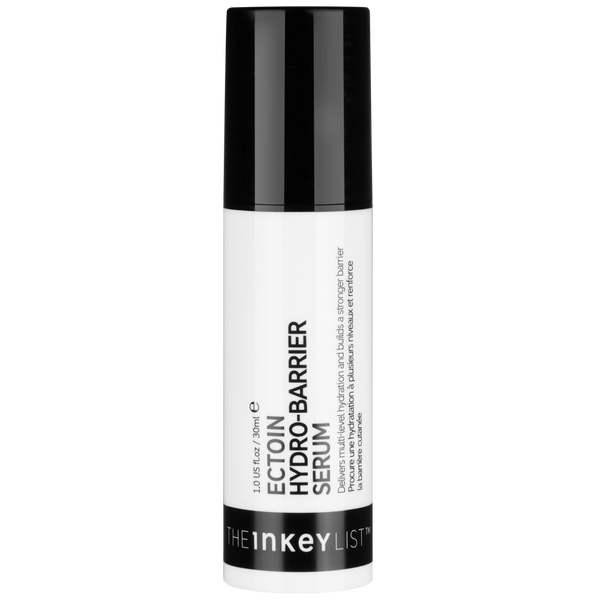
In our Ectoin Hydro-Barrier Serum (£15), Ectoin is formulated at 2% alongside 2.5% multi-molecular Hyaluronic Acid and a 1% ceramide barrier blend - making it a targeted barrier-strengthening treatment that addresses both structural lipid replenishment and active protection against ongoing stress. Ectoin is also included in our Exosome Glow Serum formula, where it contributes to the serum’s up to 12 hours hydration claim.

What Is Ectoin? - read our dedicated guide for a full breakdown of this ingredient’s origins, mechanism, and skin benefits.

Ceramides - Rebuilding What Stress Breaks Down

Given that cortisol directly suppresses ceramide synthesis - and ceramides make up approximately 50% of the skin barrier’s lipid matrix - replenishing ceramides topically is one of the most targeted and logical responses to stress-induced barrier damage. Ceramides act as the “mortar” between skin cells, sealing the barrier, locking in moisture, and preventing external irritants from penetrating. When cortisol depletes them, the barrier becomes permeable, reactive, and slow to recover.

Read our complete guide to ceramides to understand the different ceramide types, how they function within the barrier, and why they are the non-negotiable foundation of any barrier repair routine.

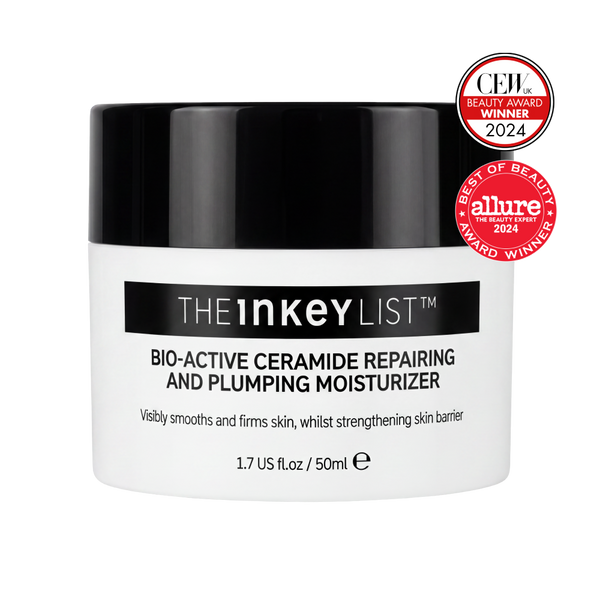
Our Bio-Active Ceramide Moisturiser (£19) contains Bioactive Ceramide NP to visibly firm, smooth, and strengthen the barrier; Gransil Blur for instant line-softening; and Shea Butter for soothing, lipid-rich comfort. It is clinically proven to firm, plump, and reduce six signs of ageing in 28 days - making it both an immediate comfort and a long-term structural repair product in one step.

Hyaluronic Acid - Restoring Hydration to Stressed Skin

Stressed skin loses water faster than healthy skin, due to the compromised, more permeable barrier that cortisol creates. Hyaluronic acid (HA) is the most effective humectant for restoring surface hydration rapidly - it is a naturally occurring molecule in the skin that holds up to 1,000 times its weight in water. When the barrier is depleted, supplementing with topical HA helps restore surface moisture levels quickly and visibly.

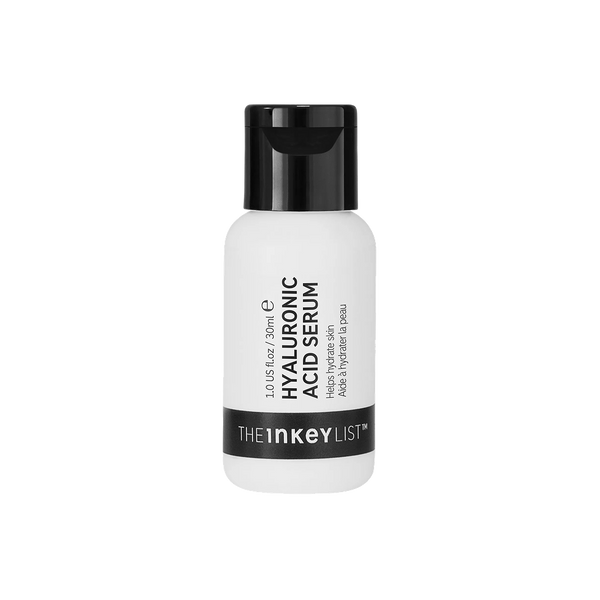
Our Hyaluronic Acid Serum (£10) uses HA at three molecular weights to deliver hydration at multiple layers of the skin - from the surface down through the deeper epidermal layers - for a more comprehensive and lasting effect than single-weight formulations.

Application tip: apply to damp skin for deeper, longer-lasting hydration. Discover how hyaluronic acid works in our complete ingredient guide, and read more on the importance of hydration for healthy, glowing skin.

Niacinamide - Calming Redness and Balancing Oil

Niacinamide (Vitamin B3) addresses two of the most distressing visible symptoms of stressed skin: redness and excess sebum. At 10%, niacinamide reduces the visible appearance of redness and blotchiness, regulates sebum production to control stress-related shine and congestion, reduces transepidermal water loss to support barrier integrity, and inhibits melanin transfer to the skin’s surface to help even out stress-related discolouration.

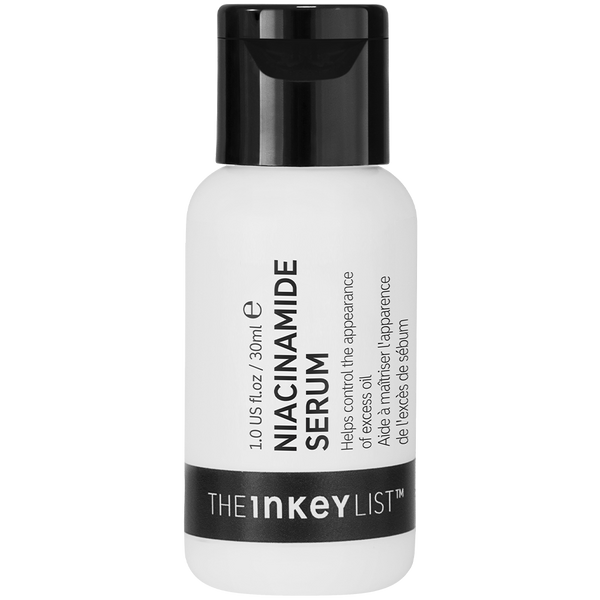
It is one of the most versatile and well-evidenced ingredients for stressed skin because it works across multiple symptom pathways simultaneously. Read our complete guide to niacinamide to understand the mechanisms and how to incorporate it safely into a stressed skin routine. Our Niacinamide Serum is a straightforward, high-concentration option for those where redness or oil imbalance are the primary concerns.

Gentle Cleansing - The Foundation Step

No ingredient applied after cleansing can compensate for a cleanser that strips and damages the barrier during the first step of every routine. When skin is stressed, cleansing becomes particularly important to get right: harsh, foaming, or high-pH cleansers compound barrier damage and increase transepidermal water loss before any actives or moisturisers have been applied.

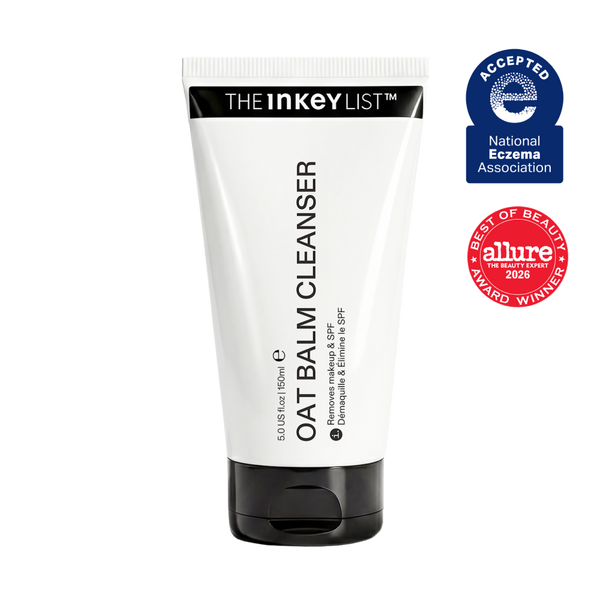
Our Oat Cleansing Balm (£15) is specifically suited to stressed skin. It contains 1% colloidal oatmeal to visibly reduce redness and soothe reactive skin, and 3% oat kernel oil to support moisture levels while effectively removing impurities, SPF, and makeup. It can also be used as a 10-minute calming mask for acutely stressed or sensitised skin - leave it on, and the oat actives continue working while the skin settles.

With the right ingredients understood, the next step is putting them into a practical daily routine.


A Simple Stressed Skin Routine - Morning and Evening

Knowing which ingredients work is valuable. Knowing how to apply them in the right order, at the right time, makes the difference between results and frustration. The following routines are built around the stressed skin ingredient hierarchy: protect and repair the barrier first, then layer in cellular renewal, then seal and support overnight.

Morning Routine for Stressed Skin

Step 1 - Cleanse: Begin with the Oat Cleansing Balm (£15) or a gentle alternative such as the Milk Cleanser. Massage in for a full 60 seconds to allow the oat actives to work and to thoroughly but gently lift overnight buildup without stripping the barrier. Do not rush this step.

Step 2 - Serum (Hydration and Renewal): Apply the Exosome Glow Serum (£20) to damp skin immediately after cleansing. This is the core treatment step for stressed skin - clinically proven to reduce visible signs of skin stress by 55% (in vitro) and delivering up to 12 hours of hydration. Applying to damp skin maximises penetration and efficacy.

Step 3 - Targeted Treatment (Optional): Layer the PDRN Serum (£18) on top of the Exosome Glow Serum for enhanced cellular renewal and an immediate glow effect. Alternatively, if redness or excess oil are your primary morning concerns, the Niacinamide Serum can be used here as a targeted treatment step.

Step 4 - Moisturise: Apply the Bio-Active Ceramide Moisturiser (£19) to seal in the serum layers, replenish barrier lipids, and provide structural repair support throughout the day. This step is not optional for stressed skin - the ceramide replenishment it delivers is a direct counteract to cortisol-induced ceramide depletion.

Step 5 - SPF: Apply Dewy Sunscreen SPF 30 as the final morning step. UV radiation is one of the most significant environmental stressors for an already-compromised barrier, and skipping SPF when the skin is stressed is counterproductive. Protecting the barrier from UV-induced stress allows the repair ingredients beneath to work without being undermined.

Evening Routine for Stressed Skin

Step 1 - Double Cleanse: Begin with the Oat Cleansing Balm (£15) to melt away SPF, makeup, and the day’s environmental buildup. Work it into dry skin first for the most thorough removal, then emulsify with water. Follow with a gentle second cleanse if needed.

Step 2 - Barrier Serum: Apply the Ectoin Hydro-Barrier Serum (£15) to damp skin. Evening is the ideal time to use Ectoin as the primary barrier serum, as it actively shields and supports the barrier while multi-molecular Hyaluronic Acid delivers deep, layered hydration overnight.

Step 3 - Renewal Serum: Apply the Exosome Glow Serum (£20) and/or the PDRN Serum (£18). If using both, apply the Exosome Glow Serum first, then layer the PDRN Serum on top. Evening is when the skin conducts its most active repair work - supporting this process with cellular renewal ingredients directly at the time when the skin is primed to respond is one of the most effective strategies in a stressed skin routine.

Step 4 - Moisturise: Finish with the Bio-Active Ceramide Moisturiser (£19) to seal, repair, and support overnight barrier recovery. The ceramide content delivers ongoing structural replenishment through the night, working in parallel with the renewal ingredients beneath.

Additional Tips for Stressed Skin

Simplify before you add. If your skin is acutely stressed and reactive, the instinct to add more products is counterproductive. Temporarily pause strong actives - particularly retinol, AHAs, and BHAs - and focus exclusively on barrier repair first. Once the barrier has stabilised and reactivity has reduced, you can begin reintroducing actives gradually. Read our complete retinol guide for specific advice on how to safely reintroduce retinol once the barrier is stable.

Apply serums to damp skin. This applies particularly to the Exosome Glow Serum and Hyaluronic Acid Serum. Damp skin allows humectant ingredients to draw water from the environment into the skin, rather than from the deeper layers of the skin itself. Read our guide to hyaluronic acid for more on the science of application technique and how it affects results.

Patch test new additions. Stressed skin is more reactive than usual, and its threshold for irritation is lower. Introducing multiple new products simultaneously during a period of skin stress increases the risk of a reactive response. Add one new product at a time and allow several days of observation before adding the next.

Consistency matters more than intensity. The clinical data behind the hero products in this routine - 14 days for visible improvement with the Exosome Glow Serum - requires daily, consistent use. One or two applications will not resolve chronic stress damage. The skin needs sustained, regular support to complete its repair cycle.

Not sure how to adapt this routine to your specific skin concerns? Take our skincare quiz for a personalised routine recommendation, or explore our full range of skincare concerns for targeted guidance.


Frequently Asked Questions About Stressed Skin

What is stressed skin?

Stressed skin is a physiological state in which the skin’s normal barrier function and cellular renewal processes are disrupted by internal or external stressors. It is not a skin type - it is a response state that can affect anyone. Internal triggers include psychological stress and elevated cortisol; external triggers include UV radiation, pollution, extreme temperatures, and over-use of harsh skincare actives.

What does stressed skin look like?

The most common visible signs of stressed skin include persistent redness, dullness and lack of radiance, dryness or dehydration, blemishes and blackheads, uneven texture, puffiness (particularly around the eyes), and increased sensitivity or reactivity to products. These signs often appear together and may be mistaken for other conditions. For a full symptom breakdown, see the signs and symptoms section above.

Can stress cause dry skin?

Yes. Elevated cortisol directly reduces the skin’s production of ceramides - the lipids that form the waterproof seal of the skin barrier. Without sufficient ceramides, the barrier becomes permeable and transepidermal water loss (TEWL) increases, meaning moisture escapes from the skin’s surface more rapidly. The result is skin that feels dry, tight, and dehydrated regardless of how much product is applied. Our dry vs dehydrated skin guide can help you identify which state your skin is in.

Can stress cause itchy skin?

Yes. Cortisol activates mast cells in the skin through receptor signalling, and mast cells directly contribute to itch responses by releasing histamine and other inflammatory compounds. A compromised skin barrier - which allows more irritants to penetrate - compounds the itching further. This combination of mast cell activation and barrier disruption explains why stressed skin often feels persistently itchy or reactive, even in the absence of an obvious external trigger.

Does stress cause skin rashes?

Stress does not directly cause rashes in the conventional clinical sense, but it can trigger inflammatory skin responses - redness, blotchiness, and reactive skin - that resemble rash-like reactions. Stress can also exacerbate existing skin conditions that present with rash-like symptoms. If a rash is persistent, unusual, or accompanied by other symptoms, it is always advisable to consult a dermatologist rather than manage it with skincare alone.

How do I treat stressed skin?

Start with barrier repair: ceramides and Ectoin are the most direct response to cortisol-induced barrier damage. Layer in cellular renewal with Exosomes - proven to reduce visible signs of skin stress by 55% in vitro - and PDRN for deeper repair. Support hydration with hyaluronic acid. Simplify your routine temporarily, switch to gentle cleansing, and prioritise consistency. The Exosome Glow Serum is the most targeted single product for visible stressed skin improvement.

How long does stressed skin take to recover?

It depends on the severity and duration of the stress-induced damage. Our Exosome Glow Serum delivers visible improvements within 14 days with daily use in clinical testing. For more significant or chronic barrier damage, consistent barrier-focused care for 4-8 weeks is a realistic expectation. The key variable is consistency: daily application of the right ingredients matters more than any single-use treatment.

What is skin barrier repair?

Skin barrier repair is the process of restoring the lipid matrix - particularly ceramides - and the structural integrity of the skin’s outermost protective layer, the stratum corneum. A repaired barrier retains moisture effectively, resists environmental irritants, and supports even, calm, healthy-looking skin. The Bio-Active Ceramide Moisturiser is a targeted barrier repair product. For a full explanation of how the barrier works and how to protect it, read our complete skin barrier guide and our complete ceramide guide.


Stressed Skin Is Treatable - Here Is Where to Start

Stressed skin is not a character flaw, a sign of “bad” skin, or an inevitable consequence of a busy life. It is a physiological response - one with clear mechanisms, visible symptoms, and well-evidenced solutions. Anyone can experience it, and the good news is that with the right ingredient-led approach, it responds well to targeted care.

The core treatment hierarchy is straightforward: support and repair the barrier first using ceramides and Ectoin, then layer in cellular renewal with Exosomes and PDRN, and maintain with consistent, gentle daily care. Results require time and consistency - the clinical data for our Exosome Glow Serum demonstrates visible improvement in 14 days with daily use - but the path to calmer, more resilient, visibly healthier skin is clear.


Ready to treat stressed skin? Start with our Exosome Glow Serum (£20) - clinically proven to reduce visible signs of skin stress by 55% in vitro and deliver a visible glow in 14 days. Pair it with our Bio-Active Ceramide Moisturiser(£19) for complete barrier support and structural repair.

Not sure where to start? Take our skincare quiz for a personalised routine based on your skin’s specific needs.

Go deeper into the ingredients:

Related reading: