



5 Things You Need to Know Before Using Retinol
Everything you need to know before adding retinol to your routine — from managing the adjustment period to the ingredient combinations that matter most.
Author
askINKEY skincare advisor
Published
20 April, 2023
Time to read
15 minutes
Retinol is one of the most clinically validated skincare ingredients available without a prescription. The evidence behind it is substantial, the results are real, and if you have been considering adding it to your routine, it is genuinely worth starting. But here is the thing: starting retinol without understanding a few fundamentals is the single biggest reason people have a poor experience, abandon it too early, and miss out on the long-term results they were looking for.
This is not a step-by-step how-to guide - for that, head to our Retinol for Beginners guide. This is the checklist you read before you even buy the product. Five things, clearly explained, so that when you do start, you are going in informed rather than overwhelmed.
At The INKEY List, our approach is clinical, ingredient-led, and free from marketing noise. What follows is exactly that: the information that makes the difference between a retinol journey that works and one that gets abandoned at week three.
Read this first. Then start.
Retinol Takes Time - Manage Your Expectations Before You Begin
Of all the things that trip people up when starting retinol, mismatched expectations are the most common and the most costly. More people quit retinol prematurely - not because it is not working, but because they expected it to work faster than biology allows - than for any other reason. Getting this right before you begin is not just helpful, it is essential.
Retinol works at a cellular level by accelerating skin cell turnover. It signals the skin to produce new cells more rapidly, encourages the shedding of old ones, and stimulates collagen production over time. This is a biological process. It is measured in weeks and months, not days. Understanding this from the outset is what separates the people who get transformative results from the people who give up just before the results arrive.
Here is what the typical results timeline actually looks like:
- Weeks 1-2: Skin may feel smoother to the touch before any visible changes appear. This is real progress - the surface texture is already beginning to refine, even if you cannot see it clearly yet.
- Weeks 2-4: Texture starts to visibly refine. Skin tone begins to even out. Some people notice their skin looks slightly more radiant or clearer in this window.
- Weeks 4-8: Visible reduction in fine lines begins. Skin looks more even-toned and clearer with consistent use.
- Weeks 8-12: This is where the full, meaningful results become clear - smoother, firmer, more radiant skin. The kind of change you notice in photographs, not just in close-up bathroom mirror scrutiny.
The “retinol before and after” results that people share online are real - but they are 8-12 week results. They are not 2-week results. Knowing this before you start means that when week two arrives and your skin is still adjusting, you will not mistake normal progress for failure.
The data from INKEY’s own Starter Retinol Serum clinical study supports this clearly. In a 12-week consumer study of 130 participants, 90% of users saw significant improvement in wrinkle appearance by week four, and 86% agreed their skin tone looked more even. These are meaningful results - and they build on themselves. Six months of consistent retinol use looks different from six weeks. Retinol rewards the people who stay the course.
It is also worth addressing the question of when to start. There is no single correct answer, but the mid-20s is a genuinely good starting point - not because visible ageing has begun, but because retinol is both preventative and corrective. It supports collagen production before fine lines become established, which means the earlier you start, the more you are working ahead of the problem rather than catching up to it. Retinol is not just for later life. It is for anyone who wants to invest in their skin now and in ten years’ time.
For a deeper understanding of what retinol is actually doing at a cellular level, visit our retinol ingredient page - it covers the science clearly and without jargon.
The most important mindset shift you can make before starting retinol is this: the discomfort of week two is not the outcome. It is the transition. With expectations properly set, the next decision is choosing the right product and strength - which is where many beginners go wrong in a completely different way.
Start Low, Go Slow - How to Choose the Right Retinol Strength
There is a widespread assumption that a higher percentage of retinol means faster or better results. It is understandable - stronger feels more effective, and more effective feels like the right choice. But when it comes to retinol, this logic does not hold, particularly at the beginning. Choosing the right strength is not about being cautious for caution’s sake. It is about understanding how retinol actually works in the skin - and choosing a formulation that works with your skin, not against it.
To understand why strength alone is a misleading metric, it helps to understand the retinoid spectrum. Retinol is one form of Vitamin A, but it is not the active form. Before it can act on the skin, it must be converted by the skin’s own enzymes. Retinol goes through two conversion steps before it becomes retinoic acid - the active form that drives results. Retinal (retinaldehyde) requires only one step. Prescription tretinoin is already retinoic acid - zero conversion steps, maximum potency, and significantly higher irritation risk for unprepared skin.
This conversion pathway is what makes gentler retinoids more suitable for beginners - not because they do not work, but because the skin needs time to adjust to increased cell turnover before it can tolerate more direct forms of Vitamin A comfortably. You can read more about the differences in our dedicated retinol vs retinal guide.
The other critical factor that percentage fails to capture is formulation quality. A 1% poorly formulated, non-encapsulated retinol in a basic base will deliver a very different result - and a very different experience - than a 0.5% encapsulated retinol in a barrier-supportive formula. The latter wins on both results and tolerance, even though the number on the label is lower. Encapsulation means the retinol is protected within a delivery system that releases it gradually and steadily into the skin, rather than flooding the surface all at once. This reduces irritation significantly without reducing efficacy. In fact, encapsulation improves penetration and stability compared with many standard formulations. If the “why higher percentage does not equal better results” case interests you further, we cover it in full in our retinol myths blog.
With that context in place, here is how INKEY’s retinol range maps onto the needs of different users:
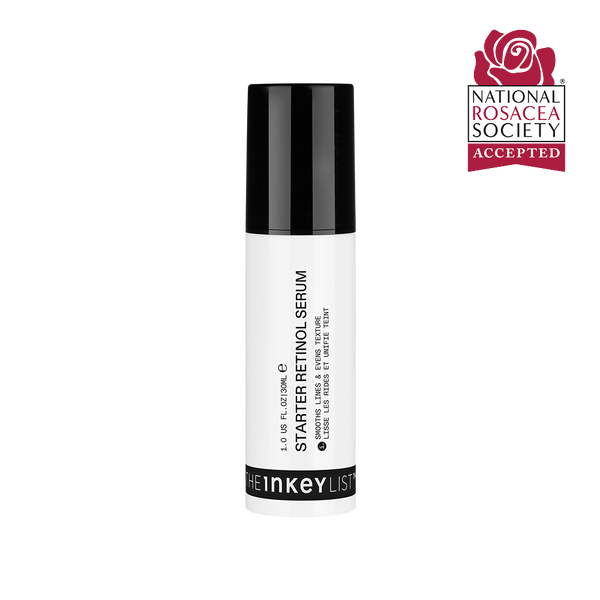
For beginners: The Starter Retinol Serum (£13.00 / 30ml) is the right starting point. It uses a dual-retinoid complex - 1% Granactive Pro+ encapsulated retinol combined with 0.01% Retinal - and is clinically proven to be 2x more effective than standard retinol. Critically, 95% of users in clinical testing experienced zero irritation. The formula also contains 0.2% SymRelief (a calming active) and 0.5% Amisol Trio (a barrier-supportive lipid complex), making it genuinely designed for the adjustment period, not just the results period.
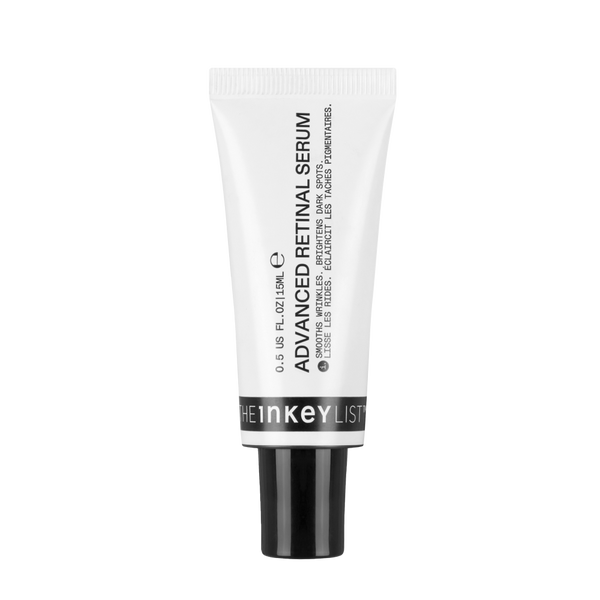
For experienced users: The Advanced 0.2% Retinal Serum (£18.00 / 15ml) is for those who have established tolerance through weeks or months of retinol use. Retinal is one step closer to retinoic acid than retinol, and this product is clinically proven to work up to 11x faster than standard retinol. It is not a beginner product - and it should not be positioned as one.
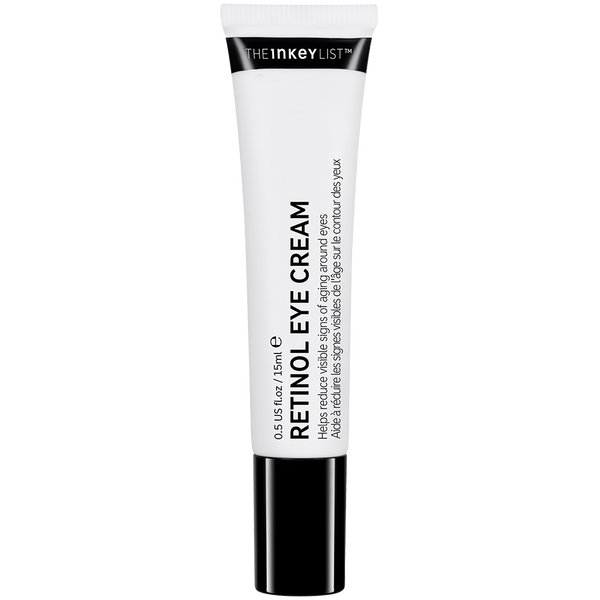
For the eye area: The Retinol Eye Cream (£13.00 / 15ml) uses 3% Vitalease - a stabilised, slow-release retinoid compound specifically developed for the delicate skin around the eye contour, where standard retinol would be far too active.
On frequency: regardless of which product you choose, the principle is the same. Start at 2-3 nights per week. The retinol adjustment period is real, and giving the skin recovery nights is how you get through it without unnecessary irritation. Between weeks 6-12, if you are tolerating the product well, you can build towards every other night. “Can you use retinol every night?” is one of the most common beginner questions - and the honest answer is: not at first. Some experienced users build to nightly application over months, but it is not necessary for meaningful results.
One technique worth knowing about before you start is the retinol sandwich method: apply a thin layer of moisturiser to dry skin first, apply retinol, then apply a second layer of moisturiser on top. It buffers delivery and is particularly useful for dry or sensitive skin types during the first few weeks. We cover it in detail in our moisture sandwich method guide.
Choosing the right strength significantly lowers the intensity of the adjustment period - but it does not eliminate it entirely. Which brings us to what many beginners find most alarming, and what is most important to understand before starting: the retinol purge.
The Retinol Purge Is Real - But It Is Temporary
If there is one thing that causes people to abandon retinol prematurely, it is the purge. And it is entirely understandable - you start using a product expecting improvement, your skin appears to worsen, and the natural instinct is to stop. But stopping at this point is the most common retinol mistake there is. Understanding what the purge actually is - what is happening, why, how long it lasts, and how to tell it apart from a genuine reaction - is what keeps people going through the critical weeks 2-4 window and out the other side.
The retinol purge is not a sign that retinol is wrong for your skin. It is a sign that it is working. Here is the mechanism: retinol accelerates skin cell turnover, which means the skin is shedding cells and cycling through them faster than usual. Beneath the skin’s surface, most people carry a backlog of microcomedones - small, congestion-filled follicles that have not yet reached the surface. Under normal skin cycling, these would take weeks to appear naturally. When retinol speeds up that cycle, they reach the surface much faster - all at once, in a concentrated period. The temporary increase in blemishes you see is not new damage. It is existing congestion being fast-tracked to the surface where it can clear.
Critically, this is a one-time event. Once the backlog clears, it is done. The purge does not repeat itself in ongoing cycles - it resolves, and then the skin is clearer than it was before.
The purge typically begins around weeks 2-4 after starting retinol (not on day one - if you see a reaction immediately, that is more likely a sensitivity response). It peaks around weeks 3-4 and resolves for most people within 4-6 weeks of starting. Those with oilier or more congestion-prone skin may experience a slightly longer window of 6-8 weeks before full clearance. For a complete breakdown, our retinol purge guide covers everything in detail.
Knowing what a purge looks like - and what it does not look like - is important:
Signs of a retinol purge:
- Small whiteheads and blackheads in clusters
- Mild papules (small, non-painful bumps)
- Surface flakiness and dryness
- Concentrated in pre-existing congestion zones: forehead, chin, nose, jawline - not in areas that were previously clear
Signs of a reaction (not a purge):
- Redness spreading across areas that were previously clear and unaffected
- Persistent burning or stinging sensation
- Hives, swelling, or rash
- Immediate onset (within hours of first use)
If what you are experiencing fits the second list, reduce frequency further or stop temporarily and consult a professional. If it fits the first list, you are very likely purging - and the advice is to continue, at a managed pace.
The practical approach to managing the purge: if the intensity feels high, reduce frequency temporarily to 1-2 nights per week rather than stopping entirely. Stopping fully resets the process. Support your skin barrier during this period - apply Hyaluronic Acid to damp skin before retinol to maintain hydration, and follow with a ceramide-rich moisturiser after to reinforce the barrier overnight. Avoid introducing any new active ingredients during the adjustment period - keep everything else as stable as possible. You can read more about why barrier health matters during this time on our damaged skin barrier page.
One useful framework to know about is skin cycling - a structured approach to rotating retinol nights with recovery nights, allowing the barrier to strengthen between active applications. It is a helpful strategy for those who want a more measured entry into retinol use. We cover it in our skin cycling guide.
The discomfort of week two is not the end result. It is the transition.
That is the key message of this section. Quitting at week two - exactly when the purge peaks and just before results begin to appear - is the most common retinol mistake. The people who push through this window with appropriate management and a clear understanding of what is happening are the ones who see the before-and-after results. The people who stop are the ones who tell others that retinol did not work for them.
The purge is internal - it is about what happens beneath the surface coming to light. But there is an external factor that is equally non-negotiable when using retinol, and it is one that many beginners underestimate. That is SPF - and it is what comes next.
SPF Is Non-Negotiable When Using Retinol
Many people who start retinol have been told they need to wear SPF. Fewer of them fully understand why - and that distinction matters. When you understand the reason behind the rule, compliance is not a discipline issue. It becomes obvious.
Retinol accelerates skin cell turnover, and this is precisely what makes it so effective. But it also means the skin retinol is constantly revealing - that fresher, newer layer of cells brought to the surface earlier than it would naturally appear - is more vulnerable to UV damage than skin that has completed a full, unassisted cycle. Without SPF, retinol can inadvertently make the skin more susceptible to the very photodamage it is working to correct: UV-induced dark spots, uneven tone, and accelerated surface ageing. This is not a theoretical risk. It is a physiological consequence of faster cell turnover.
There is a second reason: retinol itself degrades in UV light. Exposure to daylight breaks down the ingredient before it can act properly in the skin. This is why retinol is always a PM-only ingredient - applied in the evening, on cleansed skin, never in the morning. Using it in your morning routine is not just ineffective; it is counterproductive.
SPF every morning means every morning - not just on sunny days, not just in summer, not just when you plan to be outdoors. UV radiation is present year-round and penetrates cloud cover. For UK users especially, the temptation to skip SPF on overcast days or in winter is significant - and it is something to consciously resist when retinol is part of your routine. The UV index may be lower in January than in July, but it is not zero, and cumulative UV exposure adds up over time regardless of season.
There is also a longer-term argument for SPF that is specific to retinol users. The smoother texture, more even tone, and reduced fine lines that retinol builds over weeks and months are genuinely more easily undone by unprotected UV exposure than they are by time alone. SPF is not just a safety measure - it is the step that protects the investment. The clinical evidence for the retinol and SPF combination as the most validated duo in modern skincare for anti-ageing is well established. They are complementary tools, not contradictory ones.
For daily use, the Dewy Sunscreen SPF 30 (£15.00) is INKEY’s recommendation. It delivers broad-spectrum UV protection in a hydrating, non-greasy formula that layers comfortably under makeup, which matters for real-world daily compliance. The best SPF is always the one you will actually wear consistently - and a formula this wearable removes that barrier.
A simple, effective morning routine when retinol is your PM focus: cleanse, apply Hyaluronic Acid Serum to damp skin, follow with your moisturiser, finish with SPF. Keep the AM routine protective and straightforward - your evening routine is doing the active work.
If you want to understand SPF science more broadly - how it works, what the numbers mean, and how to choose the right formula for your skin type - our SPF guide covers all of it. And for anyone using retinol specifically to address uneven tone or UV-induced dark spots, our hyperpigmentation page explains why protecting that new skin from further UV exposure is so important to maintaining the results you are working towards.
SPF handles the external, daytime protection side of your retinol routine. The final thing to understand before you start is what happens in the evenings alongside retinol - specifically, which ingredients work with it, which ones need to be separated, and how to build a PM routine that supports rather than undermines your results.
Know What to Pair with Retinol - and What to Separate
Building a routine around retinol does not need to be complicated, but it does require some intentionality. The wrong combinations can increase irritation and compromise the barrier; the right ones actively support the skin through the adjustment period and improve long-term results. Here is a clear, practical guide to the most commonly asked-about ingredient pairings - so you can make these decisions before you start, rather than learning through trial and error.
Safe Pairings - Use Alongside Retinol in Your PM Routine
Hyaluronic Acid - always a yes. Hyaluronic acid is the ideal pre-retinol step. Apply it to damp skin before your retinol to lock in moisture, maintain hydration levels, and create a subtle moisture buffer that softens the drying effect of retinol during the adjustment period. This is one of the most clinically beneficial ingredient combinations in a retinol routine - hydration supports skin integrity, and an intact barrier tolerates retinol better and recovers faster. Our guide on using hyaluronic acid and retinol together covers this combination in full.
Niacinamide - actively recommended. Niacinamide applied before retinol in the PM routine is one of the best things you can do for your skin during the adjustment period. It strengthens the barrier, calms visible redness, regulates oil production, and actively helps the skin build tolerance to retinol over time. It does not interfere with retinol’s mechanism - it complements it by keeping the skin more resilient. If you have one supporting ingredient to add to your retinol routine, make it niacinamide. More on using niacinamide with retinol here.
Ceramides - use as your final PM step. Ceramides are the structural lipids of the skin barrier - the molecules that hold the barrier matrix together. Applying a ceramide-rich moisturiser as the final step after retinol actively repairs and reinforces the barrier overnight, helping it recover from the increased cell turnover retinol drives. Think of ceramides as the repair layer that makes everything else more effective.
Azelaic Acid - compatible, with care. Azelaic acid can be used in the same routine as retinol, but for beginners, alternating nights is a more manageable approach. It is a gentle option for those targeting redness, post-blemish marks, or uneven tone alongside their retinol goals - just give the skin room to breathe during the early adjustment weeks rather than layering too many actives at once.
Use Separately - Not on the Same Night as Retinol
Vitamin C - AM only. This is one of the most commonly asked questions: can you use vitamin C and retinol together? Yes - but not at the same time. Vitamin C is a morning ingredient. It provides antioxidant protection, helps brighten and even the skin tone, and supports collagen synthesis - all things that work best in your AM routine before SPF. Retinol is your PM ingredient. Using both in the same routine does not add benefit and can increase sensitivity unnecessarily. Keep them in their respective routines and they work in complementary, not competing, ways.
Salicylic Acid - alternate nights. Do not use salicylic acid on the same night as retinol, especially as a beginner. Salicylic acid is a BHA (beta hydroxy acid) that exfoliates inside the pore - and while it is an excellent ingredient for blemish-prone skin, combining it with retinol on the same night risks over-exfoliating and compromising the barrier. Use it on your non-retinol nights. Our guide to using salicylic acid and retinol together explains this in more detail.
AHAs (glycolic acid, lactic acid) - alternate nights. The same principle applies to AHAs. These chemical exfoliants are effective and have their place in a well-rounded routine, but not on the same night as retinol during the adjustment period. Alternating nights gives the skin the exfoliation benefit without the risk of over-stripping - a balance that becomes easier to manage once the skin is fully adjusted to retinol.
For the comprehensive picture of what not to combine with retinol, our full ingredient compatibility guide covers everything in one place.
Worth Knowing: Alternatives and Complements
If retinol ultimately does not suit your skin, it is worth knowing that alternatives exist. Bakuchiol is a plant-derived ingredient that offers some similar surface-level benefits through a different mechanism - softer, less irritating, and a genuinely useful option for those whose skin does not tolerate retinol. We compare the two in detail in our retinol vs bakuchiol guide. Bakuchiol is not a like-for-like replacement, but it is a meaningful option.
Peptides are another frequently discussed complement to retinol. They work alongside retinol over time in a supportive, rather than synergistic, way - and are best used in the AM or on non-retinol nights rather than in direct combination. Our peptides vs retinol blog breaks down how the two differ and how they can work together in a longer-term routine.
The overarching framework to take into your routine: retinol is a PM-only ingredient. Build your PM routine around it. Keep your AM routine protective - SPF, Vitamin C, and hydration. Simple, clear, and effective.
With all five things understood, you now have the foundation that most people who start retinol never take the time to build. That foundation is what makes the difference between a routine that works and one that gets abandoned.
You Are Ready to Start - Here Is What to Remember
Five things. That is all that stands between a retinol routine that works and one that does not.
Retinol takes time - 8-12 weeks for full results, and the people who see them are the ones who do not quit at week two. Start at the right strength - slow-release, encapsulated, and formulated to support the barrier, not just deliver the active. Expect the purge - understand it as temporary, manageable, and a sign that the ingredient is doing its job. Wear SPF every morning without exception - it protects the results retinol is building and prevents the UV damage it is working to reverse. And know your ingredient pairings - niacinamide and hyaluronic acid with retinol, vitamin C and acids in their own routines and on their own nights.
You now know more than most people who start retinol. That knowledge is what makes the difference - not just between a good experience and a bad one, but between results that last and a product that sits unfinished in a bathroom cabinet.
At The INKEY List, the approach is always the same: clear guidance, proven ingredients, real results. Education first, always. Retinol is worth starting. You have everything you need to do it properly.
Start Your Retinol Routine
The right place to begin:
Starter Retinol Serum - £13.00 / 30ml
Gentle enough for first-time users. Clinically proven to visibly smooth fine lines from 7 days. 95% of users experienced zero irritation.
Already have retinol tolerance? Step up:
Advanced 0.2% Retinal Serum - £18.00 / 15ml
One step closer to retinoic acid. Clinically proven to work up to 11x faster than standard retinol. For experienced users only.
Not sure which routine is right for you?
Take the Skincare Quiz for a personalised recommendation.
Complete the routine:
- Hyaluronic Acid Serum - £12.00 / 30ml - apply before retinol on damp skin
- Niacinamide Serum - £12.00 - apply before retinol to support barrier tolerance
- Retinol Eye Cream - £13.00 / 15ml - targeted retinoid for the eye contour
- Bio-Active Ceramide Moisturiser - £20.00 - seal and repair the barrier after retinol
Frequently Asked Questions
Got a question?
Our askINKEY team are a friendly bunch of skincare experts with deep product knowledge and zero judgement. Whether you're an ingredient obsessive or just starting out, we'll make it make sense. No question too big. No question too small. We Give A Care, Every Day.


