


Back Acne Treatment: How to Get Rid of Body Acne

Back acne affects up to 60% of people who experience facial breakouts, but effective treatments are available that can deliver clear, smooth skin within weeks. This comprehensive guide covers everything you need to know about treating back and chest acne, including dermatologist-recommended solutions like The INKEY List Salicylic Acid Cleanser and the breakthrough Glycolic Acid Body Stick specifically designed for stubborn body breakouts.
What you'll learn in this guide:
- The science behind what causes back and chest acne
- Proven treatment methods with clinical backing
- Expert product recommendations for different acne types
- Prevention strategies to maintain clear skin long-term
- When professional dermatological intervention may be needed
Whether you're dealing with occasional body breakouts or persistent back acne, this evidence-based approach will help you achieve the clear, confident skin you deserve.
What is Back and Chest Acne?
Body acne, particularly on the back (often called "bacne") and chest, follows the same fundamental mechanisms as facial acne but occurs in areas with different environmental challenges. These regions contain numerous sebaceous glands that can become clogged with dead skin cells, excess oil, and bacteria, leading to the characteristic inflammatory lesions we recognise as acne.
Common affected areas include:
• Upper and lower back
• Chest and décolletage
• Shoulders and shoulder blades
• Occasionally buttocks and thighs
Body acne presents in various forms, from comedonal acne (blackheads and whiteheads) to inflammatory papules and pustules. In severe cases, cystic acne can develop, creating deeper, more painful lesions that may lead to scarring if left untreated.
Research indicates that body acne affects approximately 40-60% of individuals who experience facial acne, though it can also occur independently. Unlike facial skin, body areas are often covered by clothing, creating an environment where friction, heat, and trapped moisture can exacerbate breakouts.
The skin on your back is notably thicker than facial skin and contains larger pores, making it particularly susceptible to congestion. This is why targeted treatments like salicylic acid-based cleansers are essential for penetrating these deeper pore structures effectively.
For more information on acne development, consult the American Academy of Dermatology's comprehensive acne guidelines.
What Causes Back Acne?
Understanding the root causes of back acne is crucial for selecting effective treatments and prevention strategies. Multiple factors contribute to body acne development, often working in combination to create persistent breakouts.
Hormonal Factors
Androgens, particularly testosterone and dihydrotestosterone (DHT), play a primary role in acne development across all body areas. These hormones stimulate sebaceous glands to produce excess sebum, which can combine with dead skin cells to block pores.
Hormonal fluctuations particularly affect:
• Teenagers during puberty when hormone levels surge
• Women during menstrual cycles, typically worsening 7-10 days before menstruation
• Individuals with PCOS who experience elevated androgen levels
• Adults experiencing hormonal transitions during pregnancy, menopause, or when starting/stopping hormonal contraceptives
Research published in the Journal of Clinical and Aesthetic Dermatology demonstrates that hormonal acne often extends beyond the face to include the jawline, neck, chest, and back, requiring comprehensive treatment approaches.
Lifestyle and Environmental Triggers
Daily habits and environmental exposures significantly impact back acne development:
Clothing and friction factors:
• Tight-fitting synthetic fabrics that trap heat and moisture
• Sports bras, backpack straps, and fitted athletic wear creating friction points
• Non-breathable materials preventing proper air circulation
• Fabric softeners and detergents containing pore-clogging ingredients
Hair and body care products:
• Conditioners and styling products that run down the back during washing
• Body oils and heavy moisturisers containing comedogenic ingredients
• Failure to rinse thoroughly after using hair treatments
Exercise and hygiene patterns:
• Remaining in sweaty clothing after workouts
• Infrequent washing of sports equipment and gym towels
• Using communal gym equipment without proper cleaning
Gender-Specific Considerations
Females commonly experience back acne due to:
• Hormonal fluctuations during menstrual cycles
• Bra friction, particularly with underwire or ill-fitting garments
• Hair products containing silicones that transfer to back skin
• Hormonal birth control adjustments
Males often develop back acne from:
• Higher baseline testosterone levels
• Increased sweating during physical activities
• Less frequent attention to back skincare routines
• Sharing of gym equipment and towels
Genetic Predisposition
Family history strongly influences acne development, with studies showing that individuals with parents who experienced severe acne are significantly more likely to develop similar patterns. Genetic factors influence sebum production, skin cell turnover rates, and inflammatory responses to Propionibacterium acnes bacteria.
For detailed research on hormonal acne mechanisms, see this NCBI study on androgens and acne.
How to Treat Back Acne: Expert Solutions
Effective back acne treatment requires targeted approaches that address the unique challenges of body skin. The thicker skin on your back, combined with larger pores and frequent clothing coverage, demands more potent treatments than typically used on facial acne.
Salicylic Acid: The Gold Standard for Body Acne
Salicylic acid stands as the most effective over-the-counter treatment for back acne due to its unique beta-hydroxy acid (BHA) properties. Unlike alpha-hydroxy acids that work only on the skin surface, salicylic acid is oil-soluble, allowing it to penetrate deep into pores to dissolve the mixture of sebum and dead skin cells that creates blockages.
Clinical benefits of salicylic acid for body acne:
• Pore penetration: Oil-soluble structure allows deep cleaning of congested pores
• Anti-inflammatory action: Reduces redness and swelling associated with active breakouts
• Keratolytic effect: Promotes healthy skin cell turnover to prevent future blockages
• Antimicrobial properties: Helps control acne-causing bacteria populations
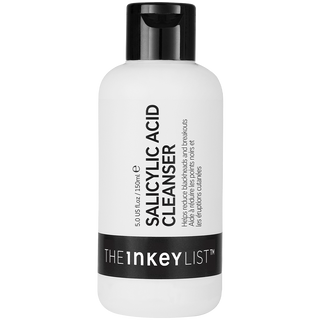
The INKEY List Salicylic Acid Cleanser represents optimal formulation for back acne treatment, combining 2% salicylic acid with zinc compound for enhanced antibacterial action, plus allantoin to soothe irritated skin. This thoughtful formulation prevents the over-drying that can occur with harsh acne treatments.
Proper application technique:
1 Use morning and evening on damp skin across affected areas
2 Massage for 60 seconds to allow adequate penetration time
3 Rinse thoroughly to remove loosened debris
4 Follow with appropriate moisturiser to maintain skin barrier function
The zinc compound in this formulation provides additional antimicrobial benefits while supporting skin healing, making it particularly effective for inflammatory back acne lesions.
Shop Salicylic Acid Cleanser →
Additional Treatment Modalities
Topical retinoids can be highly effective for persistent back acne, particularly adapalene (available over-the-counter) which helps normalise skin cell turnover and reduces comedone formation. Apply retinoids only at night and always follow with SPF during the day.
Benzoyl peroxide offers powerful antibacterial action against P. acnes bacteria. Available in 2.5-10% concentrations, it works synergistically with salicylic acid when used at different times of day. Start with lower concentrations to assess tolerance.
Layering treatments effectively:
• Morning: Salicylic Acid Cleanser + benzoyl peroxide (if tolerated)
• Evening: Gentle cleanser + retinoid treatment
• Always finish with appropriate moisturiser
Professional Treatment Options
For severe or persistent back acne, professional treatments may be necessary:
• Chemical peels using glycolic or salicylic acid in higher concentrations
• Extraction treatments for large comedones
• Light therapy for inflammatory acne
• Prescription medications including topical and oral antibiotics
Research supporting salicylic acid efficacy can be found in this comprehensive NCBI review.
Body Acne Treatment Products That Work
Beyond traditional acne cleansers, innovative body treatment products can target specific concerns like textural irregularities, ingrown hairs, and stubborn comedones that often accompany back acne.
Glycolic Acid: Revolutionary Body Exfoliation
Alpha-hydroxy acids, particularly glycolic acid, offer complementary benefits to salicylic acid by working on the skin surface to remove dead cell buildup and improve overall skin texture. Glycolic acid's small molecular structure allows for effective penetration, making it ideal for addressing the multiple skin concerns that often occur alongside body acne.
Benefits of glycolic acid for body acne:
• Surface exfoliation removes dead skin cells that can clog pores
• Improved skin texture reduces rough, bumpy appearance
• Enhanced product penetration allows other treatments to work more effectively
• Ingrown hair prevention particularly beneficial for areas prone to folliculitis
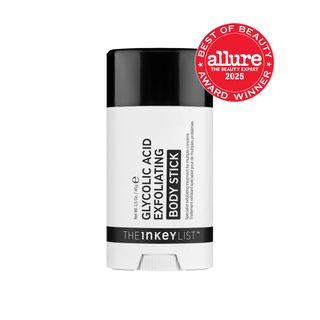
The INKEY List Glycolic Acid Body Stick represents a breakthrough in body treatment delivery, featuring an innovative stick format that allows precise application and mess-free use. This targeted approach ensures optimal product placement on affected areas without waste.
Key formulation benefits:
• Convenient stick format for easy application to back areas
• Targeted delivery allows precise treatment of specific zones
• Travel-friendly design enables consistent routine maintenance
• No-mess application prevents product waste and contamination
Multi-purpose applications:
• Keratosis pilaris (bumpy upper arm texture)
• Ingrown hair prevention on back and chest
• Post-acne mark reduction through gentle resurfacing
• General texture improvement for smoother body skin
Usage instructions:
1 Apply to dry skin 2-3 times weekly initially
2 Glide stick directly over affected areas using light pressure
3 Allow absorption without rinsing
4 Always follow with SPF during daytime use
5 Increase frequency gradually as skin adapts
The stick format eliminates the hygiene concerns associated with jar products while ensuring even application across hard-to-reach back areas. This innovation makes consistent treatment significantly more practical for long-term success.
Shop Glycolic Acid Body Stick →
Building an Effective Body Care Routine
Complementary products for comprehensive care:
• Gentle body moisturisers containing niacinamide for oil regulation
• SPF protection essential when using exfoliating acids
• Targeted spot treatments for acute breakouts
Explore complete body care collection →
Successful body acne treatment often requires patience, with visible improvements typically appearing after 6-8 weeks of consistent use. The combination of salicylic acid cleansing and glycolic acid exfoliation provides comprehensive treatment addressing both active breakouts and textural concerns.
Clinical research on glycolic acid for acne treatment is detailed in this PubMed study.
How to Prevent Back and Chest Acne
Prevention strategies form the foundation of long-term back acne management. By addressing environmental triggers and maintaining consistent skincare practices, many individuals can significantly reduce breakout frequency and severity.
Clothing and Fabric Choices
Optimal fabric selection:
• Natural fibres like cotton and bamboo allow skin breathing
• Moisture-wicking synthetic blends for athletic activities
• Loose-fitting garments reduce friction and heat retention
• Clean clothing daily, particularly undergarments and workout attire
Post-exercise protocols:
• Immediate clothing change after sweating
• Quick rinse if full shower isn't possible
• Clean towels for each gym session
• Equipment sanitisation before and after use
Hygiene and Routine Optimisation
Effective washing techniques:
• Shower within 30 minutes after sweating
• Use lukewarm water to avoid over-stimulating oil glands
• Wash back last to remove hair product residue
• Gentle, circular motions with appropriate cleansers
Hair care considerations:
• Rinse conditioner thoroughly to prevent back contact
• Pull hair forward when applying styling products
• Use clarifying shampoos weekly to remove product buildup
• Consider sulfate-free formulations for sensitive skin
Lifestyle Modifications
Dietary considerations: While research on diet and acne remains evolving, some studies suggest limiting high-glycemic foods and dairy may benefit certain individuals. Focus on anti-inflammatory foods rich in omega-3 fatty acids and antioxidants.
Stress management: Chronic stress elevates cortisol levels, which can worsen acne by increasing oil production and inflammation. Implement stress-reduction techniques like meditation, regular exercise, and adequate sleep.
Sleep environment optimisation:
• Change pillowcases 2-3 times weekly
• Use breathable bedding materials like cotton or bamboo
• Maintain cool sleeping temperature to reduce nighttime sweating
• Consider antimicrobial laundry additives for acne-prone individuals
Product Integration
Morning routine:
1 Salicylic Acid Cleanser on back and chest
2 Light, non-comedogenic moisturiser if needed
3 SPF protection for exposed areas
Evening routine:
1 Thorough cleansing to remove day's accumulation
2 Glycolic Acid Body Stick 2-3 times weekly
3 Gentle moisturisation to support skin barrier
Consistency in these prevention strategies often proves more valuable than intensive treatment of existing breakouts. Most individuals see preventive benefits within 4-6 weeks of implementing comprehensive routine changes.
When to See a Dermatologist
While many cases of back acne respond well to consistent over-the-counter treatment, certain situations warrant professional dermatological evaluation and intervention.
Severity Indicators Requiring Professional Care
Immediate consultation recommended for:
• Cystic acne lesions that are deep, painful, and slow to heal
• Widespread distribution covering large portions of back and chest
• Scarring development including atrophic or hypertrophic marks
• Psychological impact affecting self-confidence or daily activities
Treatment resistance signals:
• No improvement after 12 weeks of consistent OTC treatment
• Worsening despite proper product use and lifestyle modifications
• Recurring severe breakouts following successful treatment periods
• Associated symptoms like excessive hair growth or irregular menstruation suggesting hormonal imbalances
Professional Treatment Options
Prescription topical medications:
• Retinoids (tretinoin, adapalene) in higher concentrations
• Antibiotic gels (clindamycin, erythromycin) for inflammatory acne
• Combination therapies targeting multiple acne pathways
Oral medications:
• Antibiotics (doxycycline, minocycline) for widespread inflammatory acne
• Hormonal treatments (birth control, spironolactone) for hormonally-driven acne
• Isotretinoin for severe, treatment-resistant cases
Medical professional procedures:
• Professional chemical peels using higher acid concentrations
• Corticosteroid injections for acute cystic lesions
• Light and laser therapies for inflammatory and scarring concerns
Frequently Asked Questions About Body Acne
How long does back acne take to clear with treatment?
Most individuals see initial improvements within 4-6 weeks of consistent treatment with products like Salicylic Acid Cleanser. Significant clearing typically occurs over 8-12 weeks, though severe cases may require 3-6 months for complete resolution. The key is maintaining consistent product use even after improvement begins, as premature discontinuation often leads to breakout recurrence.
Can back acne cause permanent scarring?
Yes, particularly inflammatory and cystic back acne can lead to permanent scarring if left untreated or improperly managed. The thicker skin on the back may be more prone to certain types of scarring. Early, appropriate treatment significantly reduces scarring risk, making products like the Glycolic Acid Body Stick valuable for both active treatment and scar prevention through improved skin cell turnover.
Is back acne genetic or lifestyle-related?
Back acne typically results from a combination of genetic predisposition and lifestyle factors. While you cannot change genetic tendencies toward acne, lifestyle modifications (proper hygiene, appropriate clothing choices, consistent skincare routines) can significantly impact severity and frequency of breakouts. Individuals with strong family histories of acne may need more intensive treatment approaches but can still achieve clear skin with proper management.
What's the difference between back acne and folliculitis?
Back acne involves blockage of hair follicles with oil and dead skin cells, leading to comedones and inflammatory lesions. Folliculitis, conversely, represents infection or inflammation of hair follicles, often appearing as small, uniform pustules around hair shafts. Folliculitis may result from bacteria, fungi, or friction, and typically responds better to antimicrobial treatments rather than traditional acne medications. If uncertain, consult #askINKEY for personalised guidance.
Can I use face acne products on my back?
While many facial acne ingredients work effectively on body acne, formulations specifically designed for body use are typically more appropriate. Body skin is thicker and can tolerate higher concentrations of active ingredients. Products like The INKEY List Salicylic Acid Cleanser are formulated for both face and body use, offering optimal concentration and supporting ingredients for comprehensive treatment.
Should I stop exercising if I have back acne?
Absolutely not. Regular exercise provides numerous health benefits and can actually help manage stress-related hormonal fluctuations that contribute to acne. The key is implementing proper post-exercise hygiene: immediate clothing changes, prompt showering with appropriate cleansers, and using clean towels and equipment. Exercise-induced sweating can actually help clear pores when followed by proper cleansing routines.
Conclusion: Your Path to Clear Body Skin
Back and chest acne, while challenging, responds excellently to evidence-based treatment approaches combining appropriate active ingredients with consistent lifestyle modifications. The key to success lies in understanding that body acne requires targeted solutions designed for the unique characteristics of body skin.
Your clear skin action plan:
• Start with proven ingredients: Salicylic Acid Cleanser for daily pore-clearing action
• Add targeted exfoliation: Glycolic Acid Body Stick for texture improvement and prevention
• Implement prevention strategies: Proper clothing choices, post-exercise hygiene, and routine consistency
• Be patient and persistent: Most individuals see significant improvement within 8-12 weeks of consistent treatment
Remember that effective back acne treatment is a marathon, not a sprint. The combination of salicylic acid's deep pore-clearing action and glycolic acid's surface exfoliation provides comprehensive treatment addressing both active breakouts and long-term skin health.
For personalised product recommendations and routine optimisation, connect with #askINKEY's expert team who can help tailor these evidence-based approaches to your specific skin needs and lifestyle.
Start your clear skin journey today with targeted, effective solutions designed specifically for body acne treatment and prevention.



Where are you shopping?


